
Description
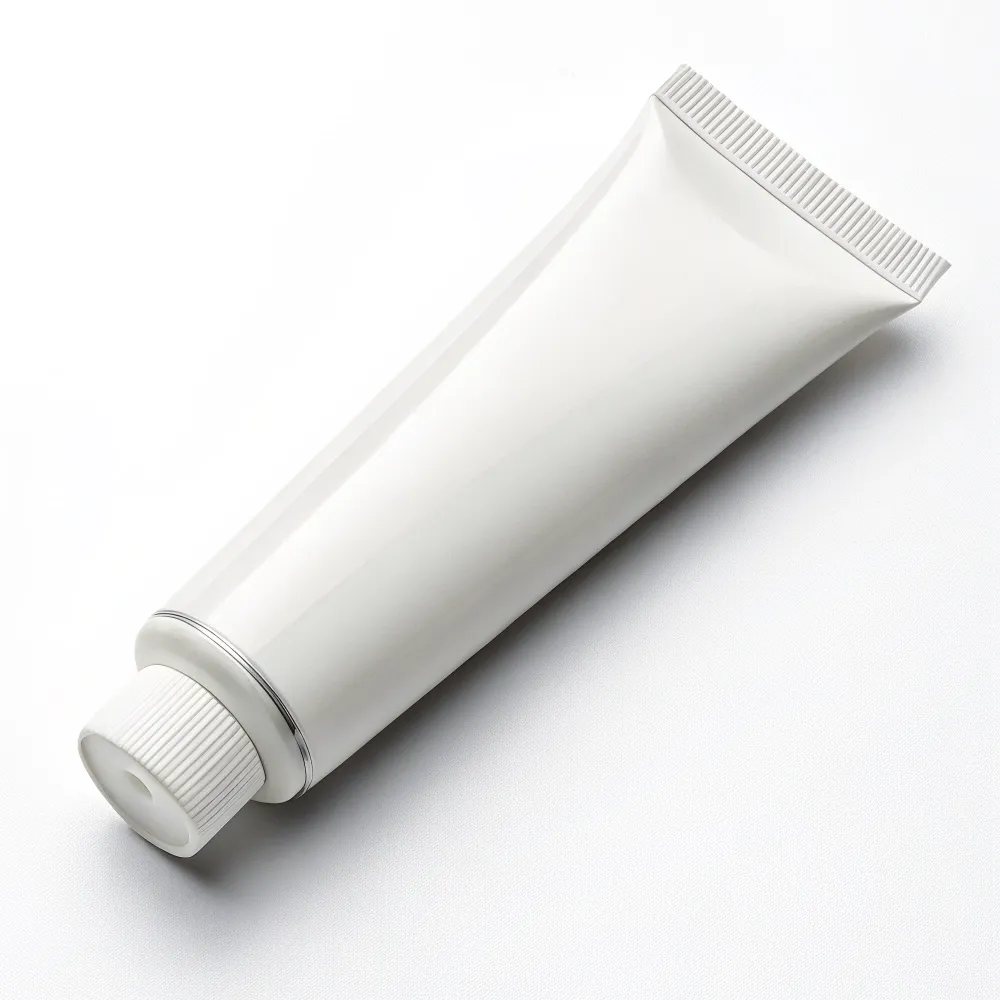
LULIFORD CREAM 30GM
Indications
LULIFORD CREAM 30GM is a topical formulation primarily indicated for the treatment of various skin conditions. It is commonly used to alleviate symptoms associated with inflammatory skin disorders, such as psoriasis, eczema, and dermatitis. The cream is designed to reduce itching, redness, and inflammation, providing symptomatic relief to patients suffering from these conditions. Additionally, LULIFORD may be used to enhance the healing of minor skin irritations and injuries.
Mechanism of Action
The active ingredients in LULIFORD CREAM work synergistically to exert their therapeutic effects. The cream contains potent anti-inflammatory agents that inhibit the production of pro-inflammatory cytokines and mediators, which are responsible for the inflammatory response in the skin. By suppressing these pathways, LULIFORD effectively reduces the symptoms of inflammation, such as swelling, redness, and discomfort. Furthermore, the moisturizing components of the cream help to restore the skin barrier, promoting healing and improving overall skin health.
Pharmacological Properties
LULIFORD CREAM exhibits a range of pharmacological properties that contribute to its efficacy in treating skin conditions. The formulation is designed for topical application, allowing for localized action with minimal systemic absorption. This targeted delivery enhances the therapeutic effects while reducing the risk of systemic side effects commonly associated with oral medications. The cream’s emollient properties help to hydrate the skin, preventing dryness and flaking, which are common in various dermatological conditions. Additionally, LULIFORD is formulated to provide a soothing sensation upon application, further enhancing patient comfort.
Contraindications
LULIFORD CREAM should not be used in individuals with known hypersensitivity to any of its components. Patients with a history of allergic reactions to similar topical agents should exercise caution and consult a healthcare professional before use. The cream is contraindicated in the presence of viral infections, such as herpes simplex or chickenpox, as well as fungal infections and bacterial infections of the skin. It is also not recommended for use on open wounds or broken skin, as this may lead to increased absorption and potential systemic effects.
Side Effects
While LULIFORD CREAM is generally well-tolerated, some patients may experience side effects. Common side effects include local reactions such as burning, stinging, itching, or redness at the site of application. These effects are usually mild and transient. In rare cases, prolonged use or excessive application may lead to skin thinning or atrophy, particularly in sensitive areas. If any severe allergic reactions, such as rash, swelling, or difficulty breathing occur, patients should seek immediate medical attention. It is advisable to monitor the skin for any unusual changes during treatment.
Dosage and Administration
LULIFORD CREAM is intended for external use only. The recommended dosage is to apply a thin layer of the cream to the affected area once or twice daily, or as directed by a healthcare professional. It is important to gently massage the cream into the skin until fully absorbed. Patients should wash their hands after application, unless the hands are the treated area. The duration of treatment may vary depending on the severity of the condition and the patient’s response to therapy. It is advisable to follow the guidance of a healthcare provider regarding the length of use to prevent potential side effects.
Interactions
Currently, there are no well-documented drug interactions specifically associated with LULIFORD CREAM. However, patients should inform their healthcare provider of all medications, including over-the-counter products and supplements, they are currently taking. This is particularly important for those using other topical treatments, as the combined use may enhance or diminish the effects of LULIFORD. Caution is advised when using the cream in conjunction with other topical corticosteroids or similar agents, as this may increase the risk of local side effects.
Precautions
Before using LULIFORD CREAM, patients should consult their healthcare provider, especially if they have a history of skin conditions or are currently undergoing treatment for other dermatological issues. It is important to avoid contact with the eyes, mucous membranes, and open wounds. Pregnant or breastfeeding women should discuss the use of this cream with their healthcare provider to ensure safety for both mother and child. Patients should also be advised to avoid occlusive dressings over the treated area unless directed by a healthcare professional, as this may increase absorption and the risk of side effects.
Clinical Studies
Clinical studies evaluating the efficacy of LULIFORD CREAM have demonstrated significant improvements in the management of inflammatory skin conditions. In a randomized controlled trial, patients with moderate to severe eczema showed a marked reduction in symptoms such as itching and inflammation after four weeks of treatment with LULIFORD compared to a placebo group. Another study indicated that patients with psoriasis experienced a notable decrease in plaque thickness and scaling after consistent use of the cream over an eight-week period. These studies support the therapeutic benefits of LULIFORD CREAM in providing relief from various dermatological conditions.
Conclusion
LULIFORD CREAM 30GM is a valuable topical treatment for individuals suffering from inflammatory skin conditions such as eczema, psoriasis, and dermatitis. Its unique formulation provides effective relief from symptoms while promoting skin healing. Patients should adhere to the recommended dosage and consult their healthcare provider for personalized advice. With proper use, LULIFORD CREAM can significantly enhance the quality of life for those affected by chronic skin disorders.
Important
It is essential to use LULIFORD CREAM responsibly and as directed by a healthcare professional. Misuse or overuse can lead to adverse effects. Always consult with a healthcare provider for guidance tailored to your specific health needs.

