
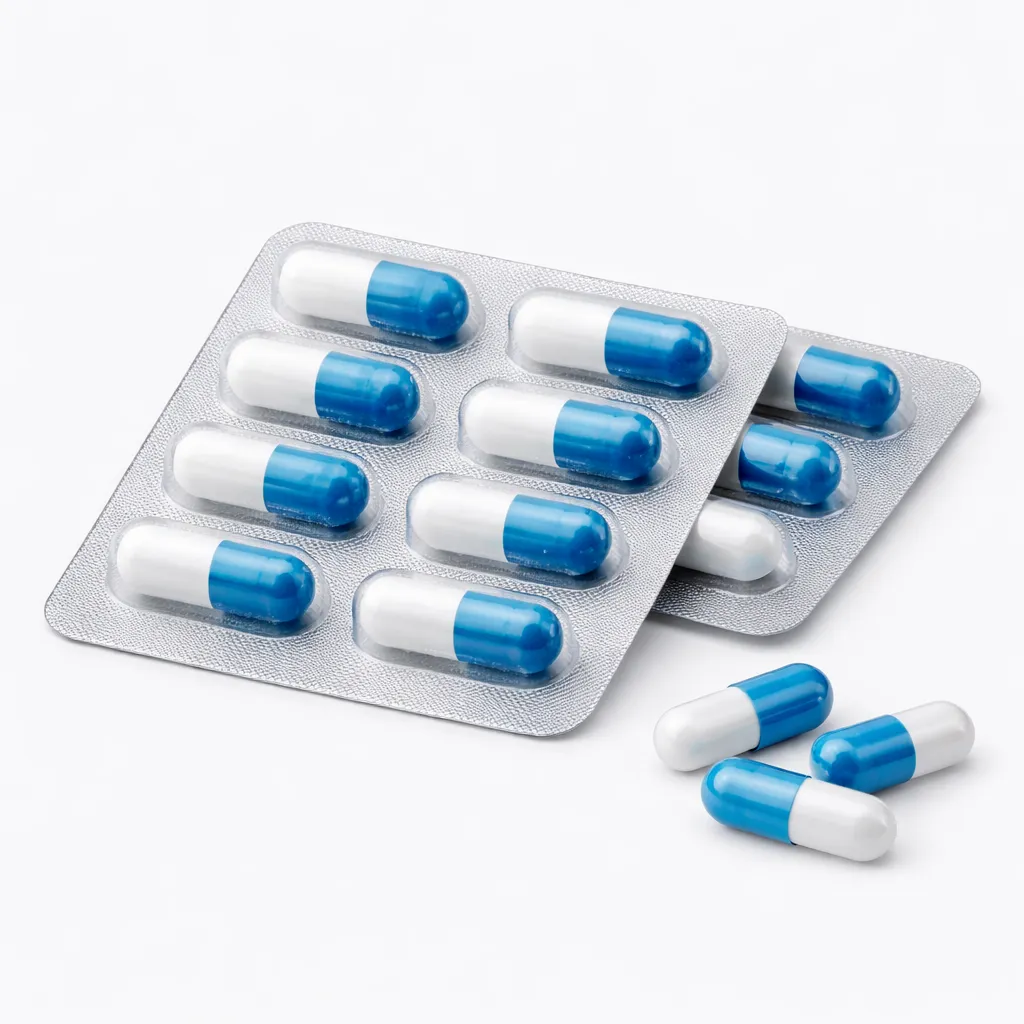
Description
MINOSIGN 100 MG (1X10)
Indications
MINOSIGN 100 MG is primarily indicated for the treatment of various bacterial infections. It is effective against a wide range of gram-positive and gram-negative bacteria, making it a valuable option in the management of infections such as respiratory tract infections, urinary tract infections, and skin infections. Additionally, MINOSIGN may be used in the treatment of certain atypical infections, including those caused by mycoplasma and chlamydia species. Its broad-spectrum activity allows for its use in empirical therapy when the causative organism is unknown.
Mechanism of Action
MINOSIGN contains the active ingredient minocycline, which belongs to the tetracycline class of antibiotics. The mechanism of action of minocycline involves the inhibition of bacterial protein synthesis. It achieves this by binding to the 30S ribosomal subunit, preventing the attachment of aminoacyl-tRNA to the ribosomal acceptor site. This action disrupts the translation process, ultimately leading to the cessation of bacterial growth and replication. The bacteriostatic nature of minocycline makes it effective in controlling infections without necessarily killing the bacteria outright.
Pharmacological Properties
MINOSIGN exhibits several pharmacological properties that contribute to its efficacy. The drug is well-absorbed following oral administration, with peak plasma concentrations typically achieved within 1 to 2 hours. Minocycline has a large volume of distribution, allowing it to penetrate various tissues and fluids, including the central nervous system. The half-life of minocycline is approximately 11 to 22 hours, which supports once or twice daily dosing in most cases. The drug is primarily excreted through the liver and kidneys, and its metabolites are eliminated in the urine.
Contraindications
MINOSIGN should not be used in individuals with a known hypersensitivity to minocycline, tetracyclines, or any of the excipients present in the formulation. It is also contraindicated in pregnant women, as tetracyclines can affect fetal development, particularly tooth and bone formation. Additionally, caution is advised when prescribing MINOSIGN to patients with severe liver or renal impairment, as dosage adjustments may be necessary to prevent toxicity.
Side Effects
As with any medication, MINOSIGN may cause side effects. Common side effects include gastrointestinal disturbances such as nausea, vomiting, diarrhea, and abdominal pain. Other potential side effects may include dizziness, headache, and skin reactions such as rashes or photosensitivity. Serious, albeit rare, side effects can include hepatotoxicity, hypersensitivity reactions, and intracranial hypertension. Patients should be advised to report any unusual symptoms or severe side effects to their healthcare provider promptly.
Dosage and Administration
The recommended dosage of MINOSIGN for adults is typically 100 mg taken twice daily, although the specific dose may vary based on the type and severity of the infection. For pediatric patients, the dosage is generally determined by body weight, with a common recommendation of 2 to 4 mg/kg/day divided into two doses. MINOSIGN should be taken with a full glass of water to minimize the risk of esophageal irritation. It is important to complete the full course of therapy as prescribed, even if symptoms improve, to prevent the development of antibiotic resistance.
Interactions
MINOSIGN may interact with various medications, which can affect its efficacy or increase the risk of side effects. Antacids and supplements containing calcium, magnesium, or iron can reduce the absorption of minocycline, leading to decreased therapeutic effectiveness. Concurrent use of anticoagulants may enhance the anticoagulant effect, necessitating close monitoring of coagulation parameters. Additionally, the use of other nephrotoxic agents should be approached with caution, as minocycline may exacerbate renal impairment. It is essential for patients to inform their healthcare provider of all medications they are taking to avoid potential interactions.
Precautions
Before initiating treatment with MINOSIGN, a thorough medical history should be obtained to identify any potential risk factors. Patients with a history of liver or kidney disease should be closely monitored during therapy. It is also important to assess for any history of drug allergies, particularly to tetracyclines. Patients should be advised to avoid prolonged exposure to sunlight or tanning beds, as minocycline can increase photosensitivity. If a superinfection occurs during treatment, appropriate measures should be taken to address the new infection.
Clinical Studies
Clinical studies have demonstrated the efficacy of MINOSIGN in treating various bacterial infections. In a randomized controlled trial involving patients with moderate to severe acne, minocycline was shown to significantly reduce lesion counts compared to placebo, highlighting its role in dermatological infections. Another study evaluated the effectiveness of minocycline in treating respiratory tract infections, showing comparable results to other antibiotics in terms of clinical outcomes. These studies support the use of MINOSIGN as a reliable option in the management of bacterial infections.
Conclusion
MINOSIGN 100 MG is a versatile antibiotic that provides effective treatment for a range of bacterial infections. Its unique mechanism of action, pharmacological properties, and broad spectrum of activity make it a valuable tool in clinical practice. However, healthcare providers must consider contraindications, potential side effects, and drug interactions when prescribing this medication. By adhering to appropriate dosing guidelines and monitoring for adverse effects, MINOSIGN can be used safely and effectively to manage infections.
Important
It is essential to use MINOSIGN responsibly and only under the guidance of a qualified healthcare professional. Misuse of antibiotics can lead to resistance, making infections harder to treat. Always follow your healthcare provider’s instructions and complete the prescribed course of treatment.


