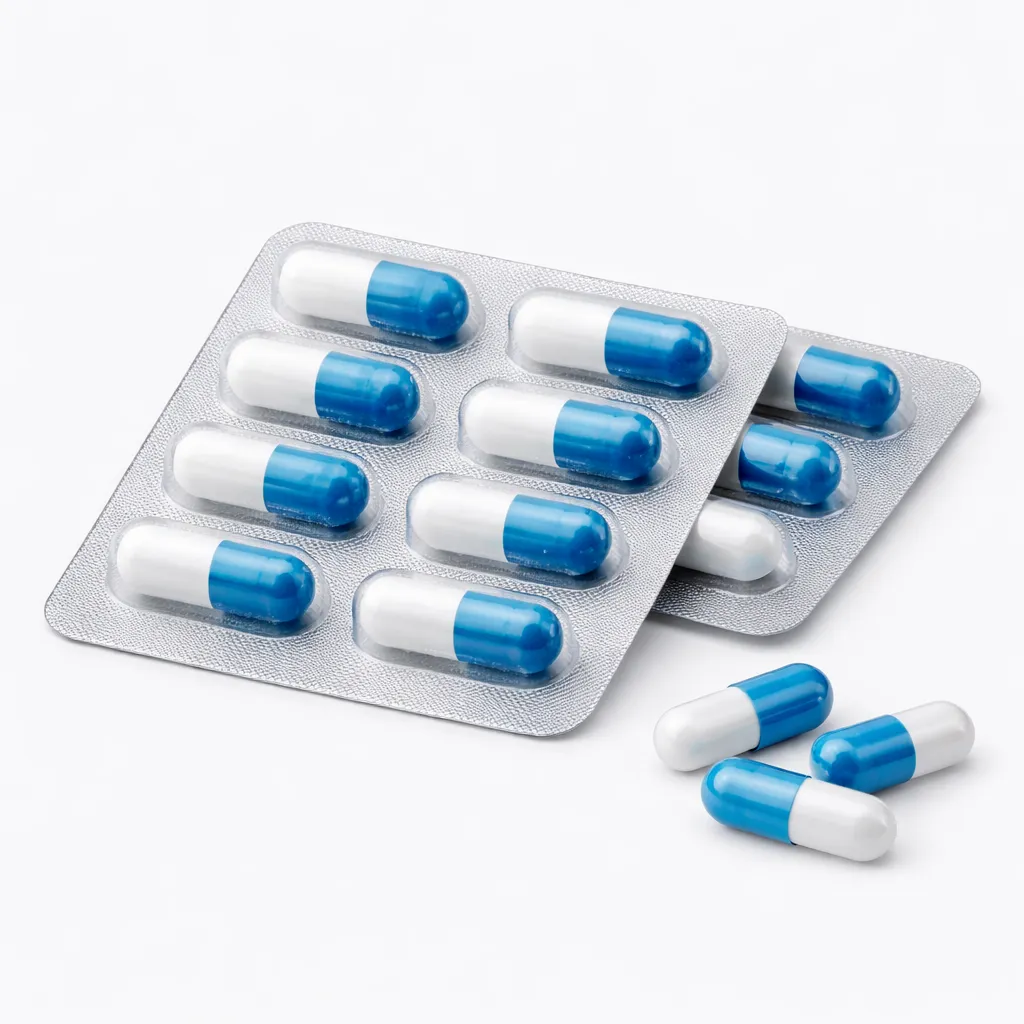
Description
MINOXYNOM 5 MG
Indications
MINOXYNOM 5 MG is primarily indicated for the treatment of hypertension, particularly in patients who have not responded adequately to other antihypertensive agents. It is often used in combination with diuretics and beta-blockers to enhance its efficacy and mitigate potential side effects. Additionally, MINOXYNOM may be employed in cases of severe hypertension or hypertensive emergencies, where rapid blood pressure reduction is necessary.
Mechanism of Action
MINOXYNOM is a potent vasodilator that works by relaxing the smooth muscles of blood vessels. Its primary action is on the arterioles, leading to a decrease in peripheral vascular resistance. This vasodilation results in a reduction of blood pressure. The precise mechanism involves the opening of potassium channels in vascular smooth muscle cells, which leads to hyperpolarization and relaxation of these cells. As a result, MINOXYNOM decreases the workload on the heart and improves blood flow throughout the body.
Pharmacological Properties
MINOXYNOM is rapidly absorbed from the gastrointestinal tract, with peak plasma concentrations typically occurring within 1 to 2 hours after oral administration. It has a half-life of approximately 4 to 10 hours, allowing for once or twice daily dosing in most patients. The drug is extensively metabolized in the liver, and its metabolites are primarily excreted through the kidneys. MINOXYNOM’s pharmacological effects can last up to 24 hours, making it suitable for once-daily dosing in many cases.
Contraindications
MINOXYNOM is contraindicated in several conditions, including:
- Hypersensitivity to minoxidil or any of the excipients in the formulation.
- Patients with pheochromocytoma, as it can exacerbate hypertension.
- Severe renal impairment, where the drug may accumulate and lead to toxicity.
- Patients with aortic stenosis, as the drug may increase cardiac workload.
- Pregnant or breastfeeding women, due to potential risks to the fetus or infant.
Side Effects
Common side effects associated with MINOXYNOM include:
- Fluid retention, which may necessitate the concurrent use of diuretics.
- Tachycardia, as the body compensates for the drop in blood pressure.
- Headache and dizziness, particularly during the initial stages of treatment.
- Hypertrichosis, or excessive hair growth, which may occur in some patients.
- Gastrointestinal disturbances, including nausea and vomiting.
Serious side effects, although rare, may include myocardial ischemia or angina, particularly in patients with pre-existing heart conditions. Patients should be monitored for any signs of adverse reactions, especially when initiating therapy.
Dosage and Administration
The recommended starting dose of MINOXYNOM for adults is typically 2.5 mg to 5 mg once daily. Depending on the patient’s response and tolerance, the dose may be gradually increased, usually in increments of 2.5 mg to 5 mg weekly, up to a maximum of 20 mg per day. It is essential to administer MINOXYNOM in conjunction with a diuretic to prevent fluid retention and a beta-blocker to manage reflex tachycardia.
For pediatric patients, the dosage should be carefully determined by a healthcare professional based on individual needs and response to treatment. MINOXYNOM should be taken with food to enhance absorption and minimize gastrointestinal side effects.
Interactions
MINOXYNOM may interact with several medications, which can influence its effectiveness or increase the risk of side effects. Important interactions include:
- Diuretics: Concurrent use is often necessary to prevent fluid retention.
- Beta-blockers: These are recommended to counteract reflex tachycardia.
- Other antihypertensives: Caution should be exercised when combining with other blood pressure-lowering medications, as this may lead to excessive hypotension.
- Nonsteroidal anti-inflammatory drugs (NSAIDs): These may reduce the antihypertensive effect of MINOXYNOM by promoting sodium retention.
- Insulin and oral hypoglycemic agents: MINOXYNOM may affect glucose metabolism, necessitating closer monitoring of blood sugar levels.
Precautions
Before initiating treatment with MINOXYNOM, it is crucial to assess the patient’s medical history and current medications. Special precautions should be taken in the following populations:
- Patients with cardiovascular disease: Close monitoring is required to avoid exacerbating existing conditions.
- Individuals with renal impairment: Dose adjustments may be necessary to prevent accumulation and toxicity.
- Patients with a history of angina or myocardial infarction: MINOXYNOM should be used cautiously, and patients should be monitored for signs of cardiac distress.
- The elderly: Older adults may be more susceptible to the side effects of MINOXYNOM, and dosage adjustments may be warranted.
Regular follow-up appointments are essential to monitor blood pressure, renal function, and any potential side effects during treatment.
Clinical Studies
Clinical studies have demonstrated the efficacy of MINOXYNOM in lowering blood pressure in patients with resistant hypertension. In a randomized controlled trial, patients treated with MINOXYNOM showed significant reductions in systolic and diastolic blood pressure compared to those receiving placebo. The combination of MINOXYNOM with diuretics and beta-blockers resulted in improved blood pressure control and a favorable safety profile.
Further studies have explored the long-term effects of MINOXYNOM on cardiovascular outcomes, indicating that appropriate use can lead to decreased morbidity and mortality in patients with severe hypertension. However, the need for close monitoring and combination therapy remains paramount to optimize treatment outcomes.
Conclusion
MINOXYNOM 5 MG is a valuable therapeutic option for managing hypertension, particularly in patients who have not achieved adequate control with other antihypertensive agents. Its unique mechanism of action as a potent vasodilator allows for effective blood pressure reduction, especially when used in combination with diuretics and beta-blockers. However, careful consideration of contraindications, potential side effects, and drug interactions is essential for safe and effective use. Ongoing clinical monitoring and patient education are critical components of successful treatment with MINOXYNOM.
Important
Responsible use of MINOXYNOM is crucial for maximizing its therapeutic benefits while minimizing potential risks. Patients should always follow their healthcare provider’s instructions and report any concerning symptoms promptly.