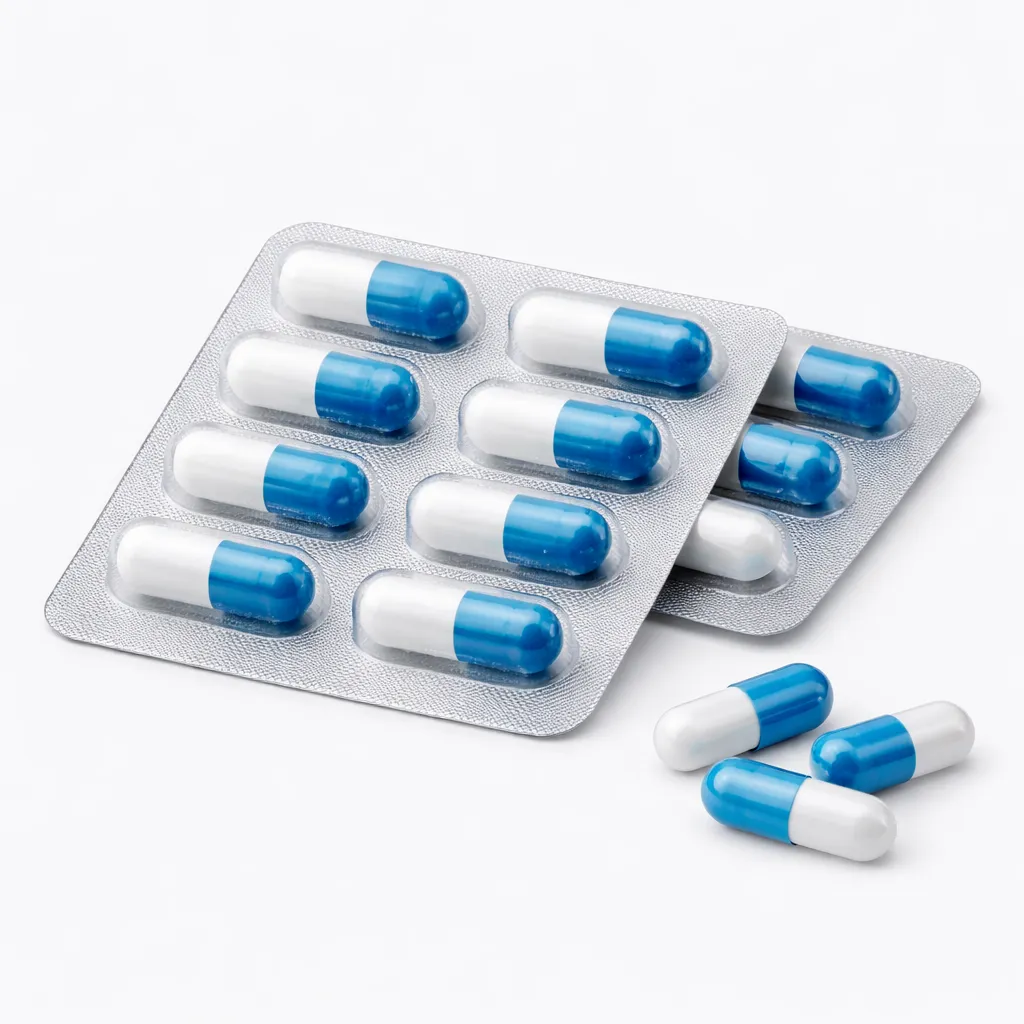
Description
MIRAGRON ER 50 MG
Indications
MIRAGRON ER 50 MG is primarily indicated for the management of overactive bladder (OAB) symptoms, including urinary urgency, frequency, and incontinence. It is particularly beneficial for patients who experience these symptoms due to various underlying conditions, such as neurological disorders or age-related changes in bladder function. This medication is designed to improve the quality of life for individuals suffering from these distressing symptoms.
Mechanism of Action
The active ingredient in MIRAGRON ER 50 MG is mirabegron, a beta-3 adrenergic agonist. It works by selectively stimulating beta-3 adrenergic receptors in the bladder, leading to relaxation of the detrusor muscle during the storage phase of the bladder fill cycle. This action enhances bladder capacity and reduces the frequency of involuntary contractions, thereby alleviating symptoms associated with overactive bladder. Unlike anticholinergic agents, mirabegron does not significantly affect the muscarinic receptors, which may result in a different side effect profile.
Pharmacological Properties
MIRAGRON ER 50 MG exhibits a pharmacokinetic profile characterized by a rapid absorption and a prolonged half-life, allowing for once-daily dosing. The peak plasma concentration is typically reached within 3 to 4 hours post-administration. The drug is extensively metabolized in the liver, primarily via the cytochrome P450 enzyme system, particularly CYP2D6, and is excreted mainly in urine. The pharmacological properties of mirabegron enable effective symptom control with a favorable safety profile compared to traditional therapies.
Contraindications
MIRAGRON ER 50 MG is contraindicated in patients with a known hypersensitivity to mirabegron or any of the excipients in the formulation. It should not be used in individuals with severe uncontrolled hypertension, as the drug may elevate blood pressure due to its sympathomimetic activity. Additionally, caution is advised in patients with urinary retention or those with bladder outlet obstruction, as the medication may exacerbate these conditions.
Side Effects
Common side effects associated with MIRAGRON ER 50 MG include hypertension, headache, dry mouth, and constipation. While most side effects are mild to moderate in severity, some patients may experience more serious reactions, such as urinary retention or severe allergic reactions. It is essential for patients to report any unusual or severe symptoms to their healthcare provider promptly. The overall side effect profile of mirabegron is generally well-tolerated, especially when compared to traditional anticholinergic therapies.
Dosage and Administration
The recommended dosage of MIRAGRON ER 50 MG is one tablet taken orally once daily, with or without food. For patients who do not achieve adequate symptom control, the dosage may be increased to 100 mg after consultation with a healthcare professional. It is crucial for patients to adhere to the prescribed dosage and not to exceed the recommended amount without medical advice. The medication should be taken at the same time each day to maintain consistent therapeutic levels in the bloodstream.
Interactions
MIRAGRON ER 50 MG may interact with other medications, particularly those metabolized by the CYP2D6 enzyme. Co-administration with strong inhibitors of CYP2D6, such as certain antidepressants and antipsychotics, may increase plasma levels of mirabegron, necessitating dosage adjustments. Additionally, patients taking antihypertensive medications should be monitored closely, as mirabegron may elevate blood pressure. It is essential for patients to inform their healthcare provider of all medications they are currently taking to avoid potential interactions.
Precautions
Before initiating treatment with MIRAGRON ER 50 MG, healthcare providers should conduct a thorough assessment of the patient’s medical history, particularly regarding cardiovascular health and existing hypertension. Regular monitoring of blood pressure is recommended during treatment, especially in patients with pre-existing hypertension or those on antihypertensive therapy. Patients should also be advised to maintain adequate hydration and report any signs of urinary retention or difficulty urinating. Pregnant or breastfeeding women should discuss the risks and benefits of this medication with their healthcare provider.
Clinical Studies
Clinical studies have demonstrated the efficacy of MIRAGRON ER 50 MG in reducing OAB symptoms. In randomized controlled trials, patients receiving mirabegron reported significant improvements in urinary frequency and urgency compared to those receiving placebo. The studies also highlighted the favorable tolerability of mirabegron, with a lower incidence of anticholinergic side effects. Long-term studies have shown sustained efficacy and safety, making MIRAGRON ER 50 MG a valuable option for patients seeking relief from overactive bladder symptoms.
Conclusion
MIRAGRON ER 50 MG represents a significant advancement in the treatment of overactive bladder, offering a novel mechanism of action and a favorable side effect profile. Its ability to improve bladder function and reduce OAB symptoms can greatly enhance the quality of life for affected individuals. As with any medication, it is essential for patients to work closely with their healthcare provider to ensure optimal treatment outcomes and to address any concerns regarding side effects or interactions with other medications.
Important
It is crucial to use MIRAGRON ER 50 MG responsibly and as prescribed by a healthcare professional. Patients should not self-medicate or adjust their dosage without consulting their doctor. Regular follow-ups and open communication with healthcare providers can help ensure safe and effective treatment.