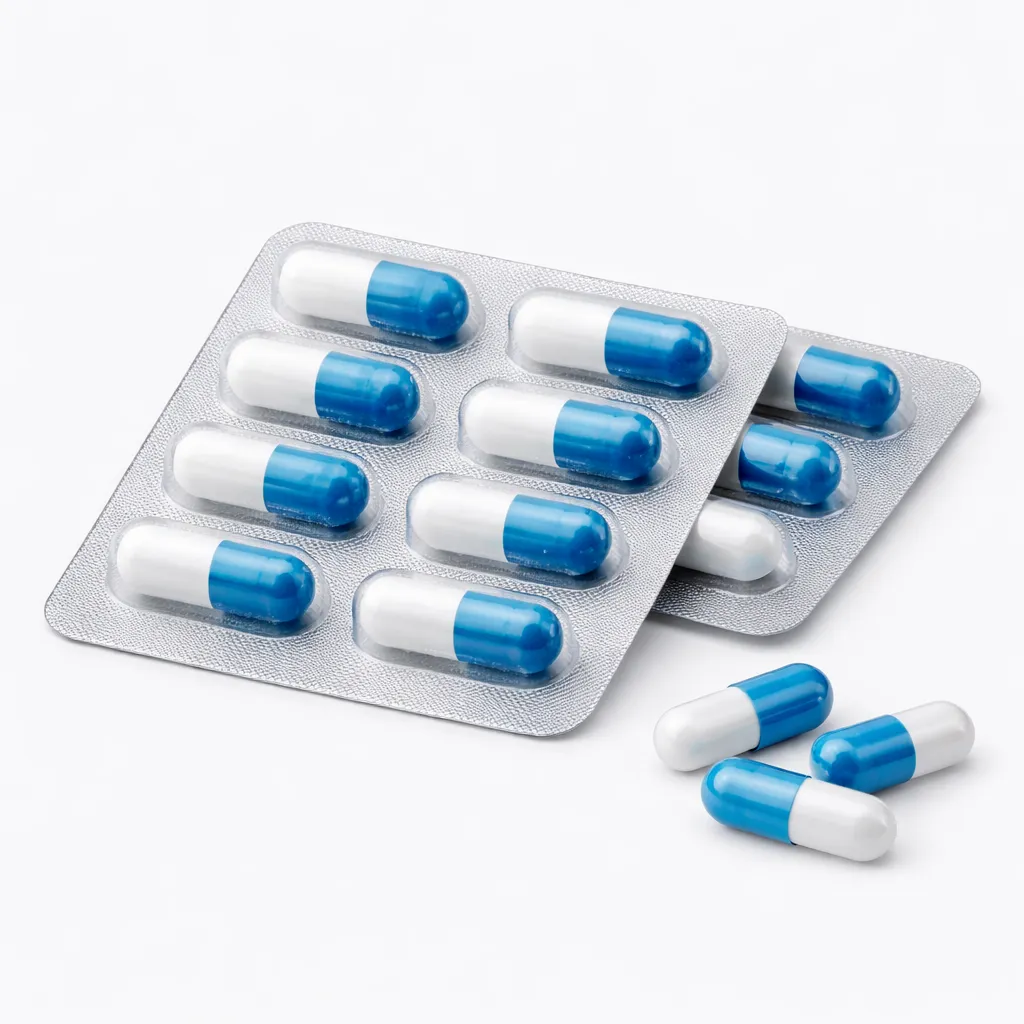
Description
MISOVEE 200 MG (1X4)
Indications
MISOVEE 200 MG is primarily indicated for the treatment of various conditions related to the gastrointestinal system. It is commonly prescribed for patients experiencing symptoms associated with gastroesophageal reflux disease (GERD), peptic ulcers, and other acid-related disorders. The formulation is designed to alleviate discomfort and promote healing in the digestive tract by reducing excessive stomach acid production.
Mechanism of Action
The active ingredient in MISOVEE 200 MG works by inhibiting the proton pump in the gastric parietal cells. This inhibition leads to a significant decrease in the secretion of gastric acid. By reducing the acidity in the stomach, MISOVEE helps to alleviate symptoms such as heartburn, acid regurgitation, and discomfort associated with ulcers. Its mechanism of action not only provides symptomatic relief but also promotes the healing of the esophagus and stomach lining.
Pharmacological Properties
MISOVEE 200 MG exhibits several pharmacological properties that contribute to its effectiveness. It is classified as a proton pump inhibitor (PPI), which means it selectively targets and inhibits the H+/K+ ATPase enzyme found in the gastric epithelium. This action results in a profound and sustained reduction of gastric acid secretion. The pharmacokinetics of MISOVEE include rapid absorption following oral administration, with peak plasma concentrations typically achieved within 1 to 2 hours. The drug is extensively metabolized in the liver, and its elimination half-life is approximately 1 to 2 hours, although the effects on acid secretion can last much longer.
Contraindications
MISOVEE 200 MG is contraindicated in patients with known hypersensitivity to the active ingredient or any of the excipients in the formulation. It should also be avoided in individuals with severe liver impairment, as the metabolism and clearance of the drug may be significantly affected. Additionally, caution is advised in patients with a history of certain gastrointestinal conditions, such as gastric cancer, as the use of proton pump inhibitors may mask symptoms of these conditions.
Side Effects
Like all medications, MISOVEE 200 MG may cause side effects, although not everyone will experience them. Common side effects include headache, nausea, vomiting, diarrhea, and abdominal pain. Less frequently, patients may report dizziness, fatigue, or skin rashes. Serious adverse effects are rare but can occur, including allergic reactions, liver dysfunction, and an increased risk of Clostridium difficile infection in the colon. Patients should be advised to seek medical attention if they experience severe or persistent side effects.
Dosage and Administration
The recommended dosage of MISOVEE 200 MG varies depending on the condition being treated. For adults, the typical starting dose for GERD and peptic ulcers is one tablet taken orally once daily, preferably before a meal. The duration of therapy may range from a few weeks to several months, depending on the clinical response and the specific indication. It is important for patients to follow their healthcare provider’s instructions regarding dosage and duration of treatment to ensure optimal outcomes and minimize the risk of side effects.
Interactions
MISOVEE 200 MG may interact with several other medications, potentially altering their effectiveness or increasing the risk of adverse effects. Notable interactions include those with anticoagulants, certain antiretroviral drugs, and medications that require an acidic gastric environment for absorption, such as some antifungals and iron supplements. Patients should inform their healthcare provider of all medications they are currently taking, including over-the-counter drugs and herbal supplements, to avoid potential interactions.
Precautions
Before starting treatment with MISOVEE 200 MG, patients should be evaluated for any underlying health conditions and medications that may pose a risk. It is important to use caution in patients with a history of liver disease, as dosage adjustments may be necessary. Long-term use of proton pump inhibitors has been associated with certain risks, including vitamin B12 deficiency and bone fractures. Therefore, healthcare providers should regularly assess the need for continued therapy and consider periodic monitoring of vitamin levels in long-term users.
Clinical Studies
Clinical studies have demonstrated the efficacy of MISOVEE 200 MG in the management of GERD and peptic ulcers. In randomized controlled trials, patients treated with MISOVEE showed a significant reduction in symptoms and improved healing rates compared to placebo. The safety profile of the drug has also been evaluated in various studies, confirming that while side effects can occur, they are generally mild and manageable. Long-term studies have provided insight into the sustained effectiveness of MISOVEE in preventing relapse of acid-related disorders, further supporting its use in clinical practice.
Conclusion
MISOVEE 200 MG is a valuable therapeutic option for patients suffering from acid-related gastrointestinal disorders. Its mechanism of action as a proton pump inhibitor provides effective symptom relief and promotes healing of the gastric and esophageal lining. While generally well-tolerated, it is essential for patients to be aware of potential side effects and interactions with other medications. Regular follow-up with healthcare providers is recommended to ensure safe and effective use of MISOVEE.
Important
It is crucial to use MISOVEE 200 MG responsibly and under the guidance of a healthcare professional. Patients should adhere to prescribed dosages and report any unusual symptoms to their healthcare provider. Proper use of this medication can lead to effective management of gastrointestinal conditions while minimizing the risk of adverse effects.