Description
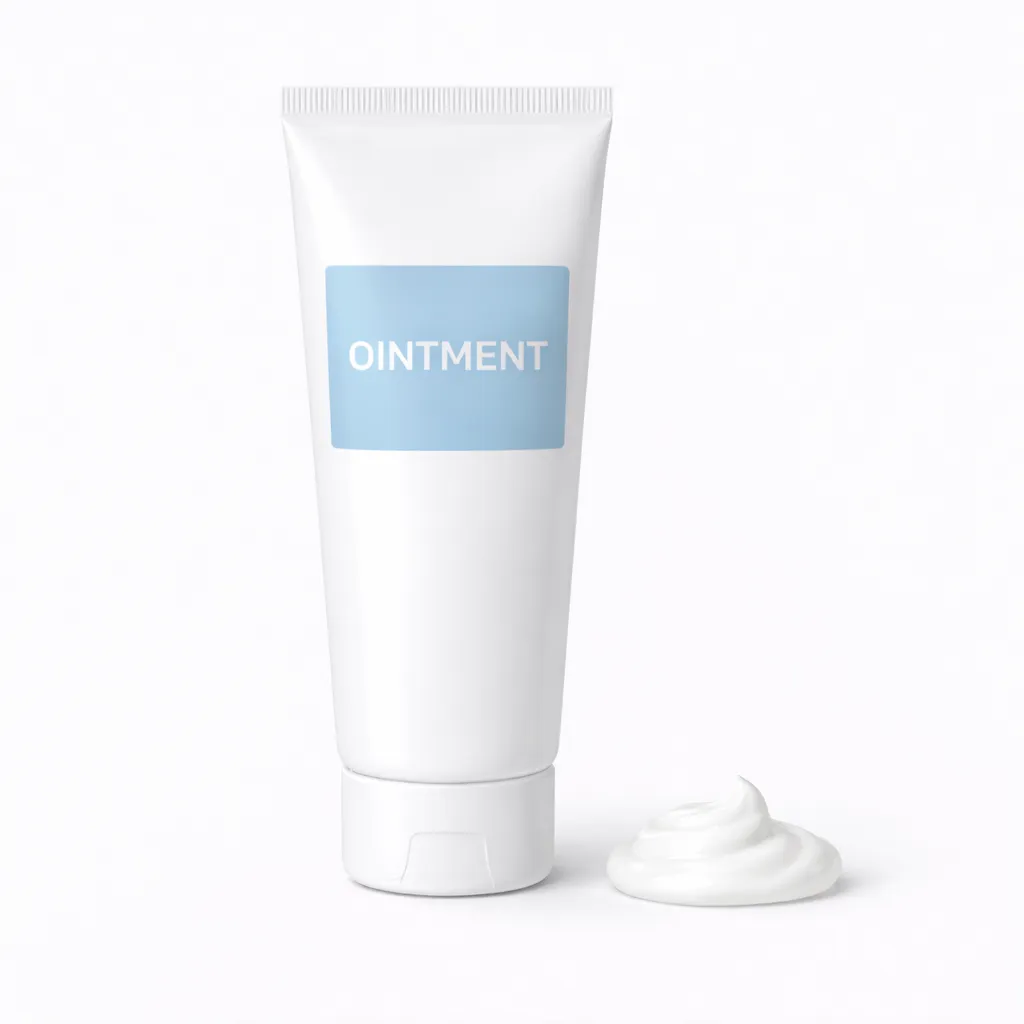
MUPIHEAL 2% OINT 5GM
Indications
MUPIHEAL 2% OINT 5GM is primarily indicated for the treatment of superficial skin infections caused by susceptible bacteria. It is particularly effective against infections such as impetigo, folliculitis, and infected dermatitis. The ointment is also used to prevent infection in minor cuts, abrasions, and burns. Its broad-spectrum antibacterial properties make it suitable for various dermatological conditions, ensuring effective management of localized infections.
Mechanism of Action
The active ingredient in MUPIHEAL 2% OINT is mupirocin, a topical antibiotic derived from the bacterium Pseudomonas fluorescens. Mupirocin works by inhibiting bacterial protein synthesis, which is crucial for bacterial growth and replication. It achieves this by binding to bacterial isoleucyl-tRNA synthetase, an enzyme involved in the incorporation of isoleucine into proteins. This inhibition leads to the disruption of essential cellular functions in bacteria, ultimately resulting in bacterial cell death. Mupirocin exhibits activity against a variety of Gram-positive bacteria, including Staphylococcus aureus and Streptococcus pyogenes.
Pharmacological Properties
Mupirocin is characterized by its unique pharmacological properties. It is rapidly absorbed through the skin, and its systemic absorption is minimal when applied topically. This makes it an effective treatment option with a low risk of systemic side effects. The ointment formulation allows for prolonged contact with the skin, enhancing its therapeutic efficacy. Mupirocin is primarily metabolized in the liver, and its metabolites are excreted via the kidneys. The pharmacokinetics of mupirocin highlight its localized action, making it suitable for treating superficial infections without significant systemic exposure.
Contraindications
MUPIHEAL 2% OINT is contraindicated in individuals who have a known hypersensitivity to mupirocin or any of the excipients in the formulation. Patients with a history of allergic reactions to topical antibiotics should use this product with caution. Additionally, it should not be applied to large areas of broken skin or open wounds, as this may increase the risk of systemic absorption and potential adverse effects.
Side Effects
Common side effects associated with the use of MUPIHEAL 2% OINT include localized reactions such as burning, stinging, itching, or erythema at the application site. These reactions are generally mild and transient. In rare cases, allergic contact dermatitis may occur, leading to more severe skin reactions. If any severe or persistent side effects are experienced, it is advisable to discontinue use and consult a healthcare professional. Systemic side effects are uncommon due to the low absorption of mupirocin through intact skin.
Dosage and Administration
The recommended dosage of MUPIHEAL 2% OINT is to apply a small amount of the ointment to the affected area three times daily. The ointment should be gently massaged into the skin to ensure adequate coverage. Treatment duration may vary depending on the severity of the infection, but it is generally advised to continue therapy for at least 5 to 10 days. Patients should be instructed to wash their hands before and after application to minimize the risk of contamination and to avoid contact with the eyes and mucous membranes. If symptoms do not improve within a few days of treatment, or if they worsen, a healthcare provider should be consulted.
Interactions
MUPIHEAL 2% OINT has a low potential for drug interactions due to its topical application and minimal systemic absorption. However, caution is advised when used concurrently with other topical products, as this may alter the efficacy of mupirocin or increase the risk of skin irritation. Patients should inform their healthcare provider of all medications, including over-the-counter products and herbal supplements, that they are currently using to ensure safe and effective treatment.
Precautions
Before using MUPIHEAL 2% OINT, patients should be advised to perform a patch test to rule out any allergic reactions, especially if they have a history of sensitivities to topical medications. It should be used with caution in patients with renal impairment, as the clearance of mupirocin may be affected. Additionally, the ointment should not be used for prolonged periods without medical supervision, as this may lead to the development of antibiotic resistance. Patients should be educated on the importance of completing the full course of treatment, even if symptoms improve, to prevent recurrence of infection.
Clinical Studies
Clinical studies have demonstrated the efficacy of mupirocin in treating various skin infections. In a randomized controlled trial involving patients with impetigo, mupirocin ointment was shown to be significantly more effective than placebo in achieving clinical cure rates. Other studies have confirmed its effectiveness against methicillin-resistant Staphylococcus aureus (MRSA) in skin and soft tissue infections. The safety profile of mupirocin has also been well established, with most side effects being mild and self-limiting. These findings support the use of MUPIHEAL 2% OINT as a reliable treatment option for localized bacterial infections.
Conclusion
MUPIHEAL 2% OINT is a potent topical antibiotic that provides effective treatment for a range of superficial skin infections. Its unique mechanism of action, combined with a favorable safety profile, makes it an essential option in dermatological practice. Proper usage, adherence to dosing guidelines, and awareness of potential side effects are crucial for optimizing treatment outcomes. Patients are encouraged to consult healthcare professionals for personalized advice and to report any adverse reactions during therapy.
Important
It is essential to use MUPIHEAL 2% OINT responsibly and as directed by a healthcare professional. Misuse or overuse of antibiotics can lead to resistance, reducing their effectiveness in treating infections. Always consult with a healthcare provider for appropriate diagnosis and treatment options.