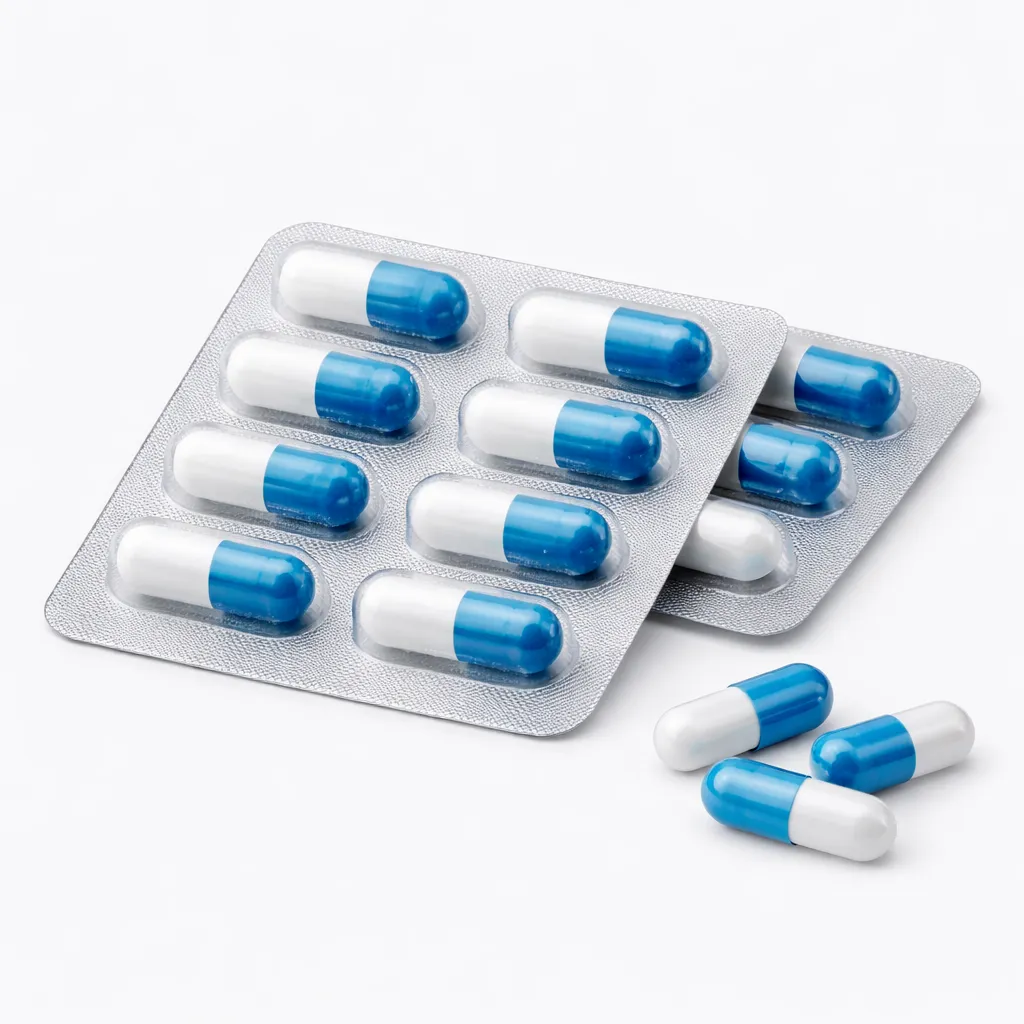
Description
NERVIGUARD 300 MG
Indications
NERVIGUARD 300 MG is primarily indicated for the management of neuropathic pain, a condition characterized by pain resulting from damage or dysfunction of the nervous system. It is commonly used in patients suffering from conditions such as diabetic neuropathy, post-herpetic neuralgia, and other forms of chronic pain associated with nerve injury. Additionally, NERVIGUARD may be prescribed as an adjunct therapy for certain anxiety disorders and to alleviate symptoms of fibromyalgia.
Mechanism of Action
The active ingredients in NERVIGUARD 300 MG work synergistically to modulate pain signaling pathways in the nervous system. It is believed to enhance the activity of neurotransmitters that inhibit pain transmission, thereby reducing the perception of pain. Specifically, NERVIGUARD may affect the reuptake of serotonin and norepinephrine, which are critical in pain modulation. By targeting these neurotransmitter systems, NERVIGUARD helps to restore balance in the nervous system, leading to a reduction in neuropathic pain symptoms.
Pharmacological Properties
NERVIGUARD 300 MG exhibits a unique pharmacological profile that makes it effective in treating neuropathic pain. It is rapidly absorbed following oral administration, with peak plasma concentrations typically reached within a few hours. The drug is metabolized in the liver and excreted primarily through the kidneys. Its half-life allows for once-daily dosing in many cases, which enhances patient compliance. Additionally, NERVIGUARD has shown anti-inflammatory properties, which may contribute to its effectiveness in managing pain associated with nerve damage.
Contraindications
NERVIGUARD 300 MG is contraindicated in patients with a known hypersensitivity to any of its components. It should not be used in individuals with severe renal impairment or those undergoing hemodialysis, as the drug may accumulate to toxic levels. Caution is advised in patients with a history of substance abuse or those currently taking monoamine oxidase inhibitors (MAOIs), as interactions could lead to serious side effects.
Side Effects
While NERVIGUARD 300 MG is generally well-tolerated, some patients may experience side effects. Common adverse effects include dizziness, drowsiness, dry mouth, and gastrointestinal disturbances such as nausea or constipation. In rare cases, more severe reactions may occur, including allergic reactions, mood changes, or suicidal thoughts. Patients should be monitored for any unusual symptoms, particularly during the initial treatment phase or when dosage adjustments are made.
Dosage and Administration
The recommended starting dose of NERVIGUARD 300 MG is typically 300 mg once daily, which may be adjusted based on the patient’s response and tolerability. In some cases, the dose may be increased to 600 mg per day, divided into two or three doses, depending on the severity of symptoms and the clinician’s discretion. It is important for patients to follow their healthcare provider’s instructions closely and not to exceed the prescribed dosage. NERVIGUARD can be taken with or without food, but consistency in administration is key to maintaining stable drug levels in the body.
Interactions
NERVIGUARD 300 MG may interact with other medications, which could enhance the risk of side effects or alter the efficacy of treatment. Concurrent use with other central nervous system depressants, such as benzodiazepines or alcohol, may increase sedation and respiratory depression. Additionally, caution is warranted when used alongside medications that affect serotonin levels, as this may lead to serotonin syndrome, a potentially life-threatening condition. Patients should inform their healthcare provider about all medications and supplements they are taking to avoid potential interactions.
Precautions
Before initiating treatment with NERVIGUARD 300 MG, a thorough medical history should be obtained, particularly regarding any history of psychiatric disorders, seizures, or renal impairment. It is essential to monitor patients for signs of worsening depression or suicidal ideation, especially during the early stages of treatment or following dose adjustments. Patients should also be advised to avoid operating heavy machinery or driving until they understand how NERVIGUARD affects them, as drowsiness and dizziness may impair their ability to perform these tasks safely.
Clinical Studies
Clinical studies have demonstrated the efficacy of NERVIGUARD 300 MG in reducing neuropathic pain compared to placebo. In randomized controlled trials, patients reported significant improvements in pain scores and overall quality of life. The drug has also been shown to have a favorable safety profile, with most side effects being mild to moderate in severity. Long-term studies indicate that continued use of NERVIGUARD can lead to sustained pain relief without the development of tolerance, making it a valuable option for chronic pain management.
Conclusion
NERVIGUARD 300 MG is a well-established treatment option for neuropathic pain and related conditions. Its dual mechanism of action targeting neurotransmitter systems makes it effective in alleviating pain while offering a manageable side effect profile. As with any medication, it is crucial for patients to use NERVIGUARD responsibly and under the guidance of a healthcare professional to ensure optimal therapeutic outcomes.
Important
It is essential to use NERVIGUARD 300 MG responsibly and only as prescribed by a healthcare professional. Patients should not self-medicate or adjust their dosage without consulting their doctor. Regular follow-ups and open communication with healthcare providers are vital for safe and effective treatment.