Description
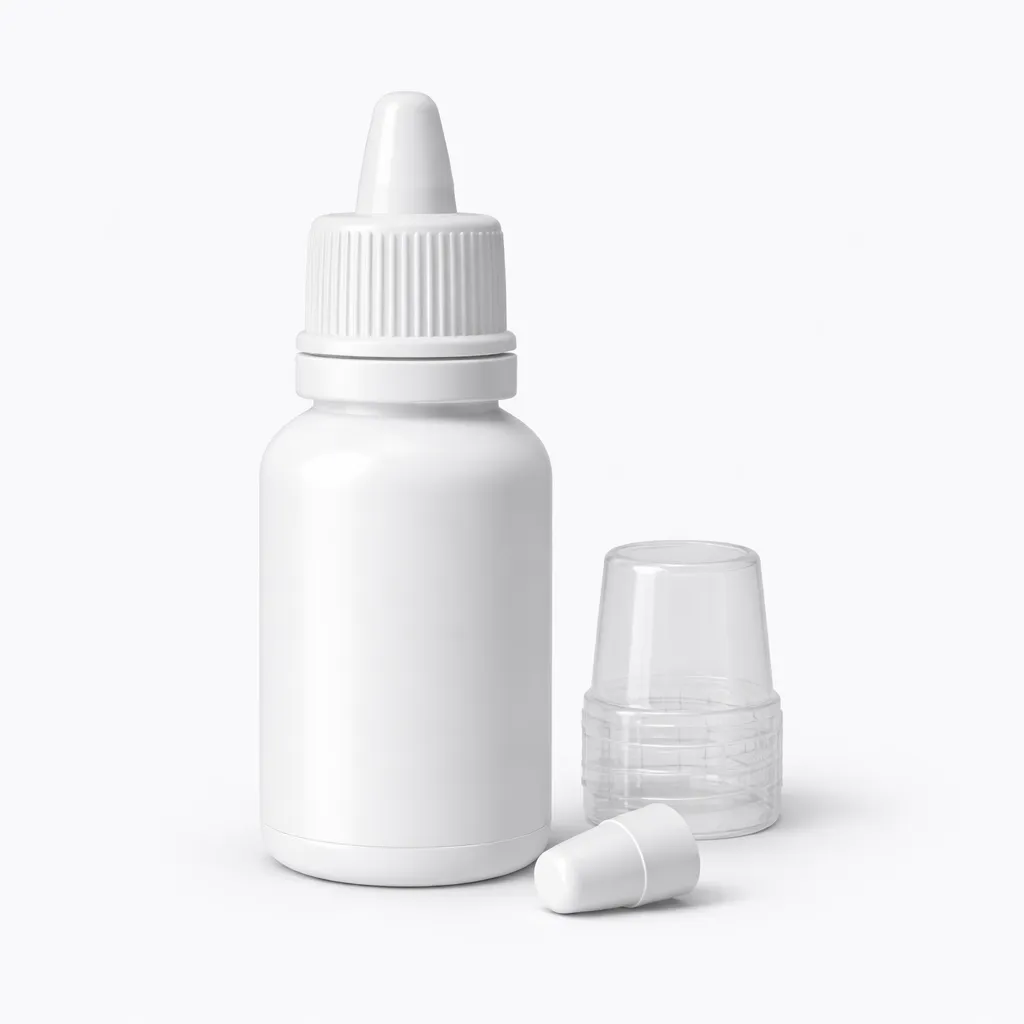
Norflox 0.3 % Eye Drop
Indications
Norflox 0.3 % Eye Drop is primarily indicated for the treatment of bacterial infections of the eye, including conjunctivitis and keratitis. It is effective against a variety of gram-positive and gram-negative bacteria, making it a suitable choice for patients experiencing ocular infections. The drops are also used prophylactically in certain situations, such as post-operative care following eye surgeries, to prevent infections.
Mechanism of Action
Norfloxacin, the active ingredient in Norflox 0.3 % Eye Drop, is a fluoroquinolone antibiotic. It works by inhibiting bacterial DNA gyrase and topoisomerase IV, enzymes critical for bacterial DNA replication, transcription, and repair. By disrupting these processes, Norfloxacin effectively halts bacterial growth and replication, leading to the resolution of the infection. Its broad-spectrum activity allows it to target a wide range of pathogenic bacteria commonly responsible for ocular infections.
Pharmacological Properties
The pharmacokinetics of Norflox 0.3 % Eye Drop indicate that the drug is rapidly absorbed into ocular tissues, achieving therapeutic concentrations in the conjunctival sac and cornea. The bioavailability of the drug in the eye is enhanced due to its formulation as an eye drop, allowing for localized treatment with minimal systemic absorption. The half-life of Norfloxacin in ocular tissues is sufficient to provide effective antimicrobial action, typically requiring administration every 2 to 4 hours during the initial treatment phase.
Contraindications
Norflox 0.3 % Eye Drop is contraindicated in individuals with a known hypersensitivity to Norfloxacin or any other component of the formulation. Additionally, it should not be used in patients with a history of tendon disorders related to fluoroquinolone use. Caution is advised when prescribing this medication to pregnant or breastfeeding women, as the safety profile in these populations has not been fully established.
Side Effects
Common side effects associated with Norflox 0.3 % Eye Drop include local irritation, burning sensation, and redness at the site of application. Some patients may experience transient blurred vision immediately after instillation. Rarely, more severe adverse reactions such as allergic conjunctivitis or systemic reactions may occur. If any severe side effects or signs of an allergic reaction, such as swelling, rash, or difficulty breathing, are observed, immediate medical attention should be sought.
Dosage and Administration
The recommended dosage for Norflox 0.3 % Eye Drop typically involves instilling 1 to 2 drops into the affected eye(s) every 2 to 4 hours, depending on the severity of the infection. After an initial period of aggressive dosing, the frequency may be reduced to 1 to 2 drops every 6 to 8 hours as the infection resolves. It is essential to follow the prescribed regimen and complete the full course of treatment, even if symptoms improve before the medication is finished. Patients should be advised to wash their hands before and after application to minimize the risk of contamination.
Interactions
Norflox 0.3 % Eye Drop may interact with other medications, particularly those that affect the central nervous system or have the potential to cause QT prolongation. While systemic absorption is minimal, caution should be exercised when prescribing this medication alongside other topical ophthalmic agents. Patients should inform their healthcare provider of all medications they are currently taking, including over-the-counter drugs and supplements, to avoid potential interactions.
Precautions
Patients using Norflox 0.3 % Eye Drop should be advised to avoid contact lenses during the course of treatment, as the drops may contain preservatives that can cause irritation or discoloration of the lenses. Additionally, care should be taken to avoid contaminating the dropper tip, as this can lead to further infections. It is important to monitor for signs of worsening infection or lack of improvement within a few days of starting treatment, as this may necessitate a reevaluation of the diagnosis and treatment plan.
Clinical Studies
Clinical studies have demonstrated the efficacy of Norflox 0.3 % Eye Drop in treating various bacterial ocular infections. In a randomized controlled trial, patients treated with Norfloxacin exhibited significant improvement in symptoms and clinical signs of conjunctivitis compared to those receiving a placebo. Another study highlighted its effectiveness in treating keratitis, with a notable reduction in bacterial load and improvement in corneal integrity. These findings support the use of Norflox 0.3 % Eye Drop as a reliable option for managing bacterial eye infections.
Conclusion
Norflox 0.3 % Eye Drop is a potent fluoroquinolone antibiotic indicated for the treatment of bacterial infections of the eye. Its mechanism of action, pharmacological properties, and clinical efficacy make it a valuable tool in ophthalmic therapy. While generally well-tolerated, patients should be aware of potential side effects and contraindications. Proper administration and adherence to prescribed dosages are crucial for achieving optimal therapeutic outcomes. As with any medication, it is essential to consult with a healthcare professional for personalized advice and treatment options.
Important
It is essential to use Norflox 0.3 % Eye Drop responsibly and only under the guidance of a healthcare professional. Misuse or overuse of antibiotic eye drops can lead to resistance and treatment failure. Always follow the prescribed dosage and consult your doctor if symptoms persist or worsen.