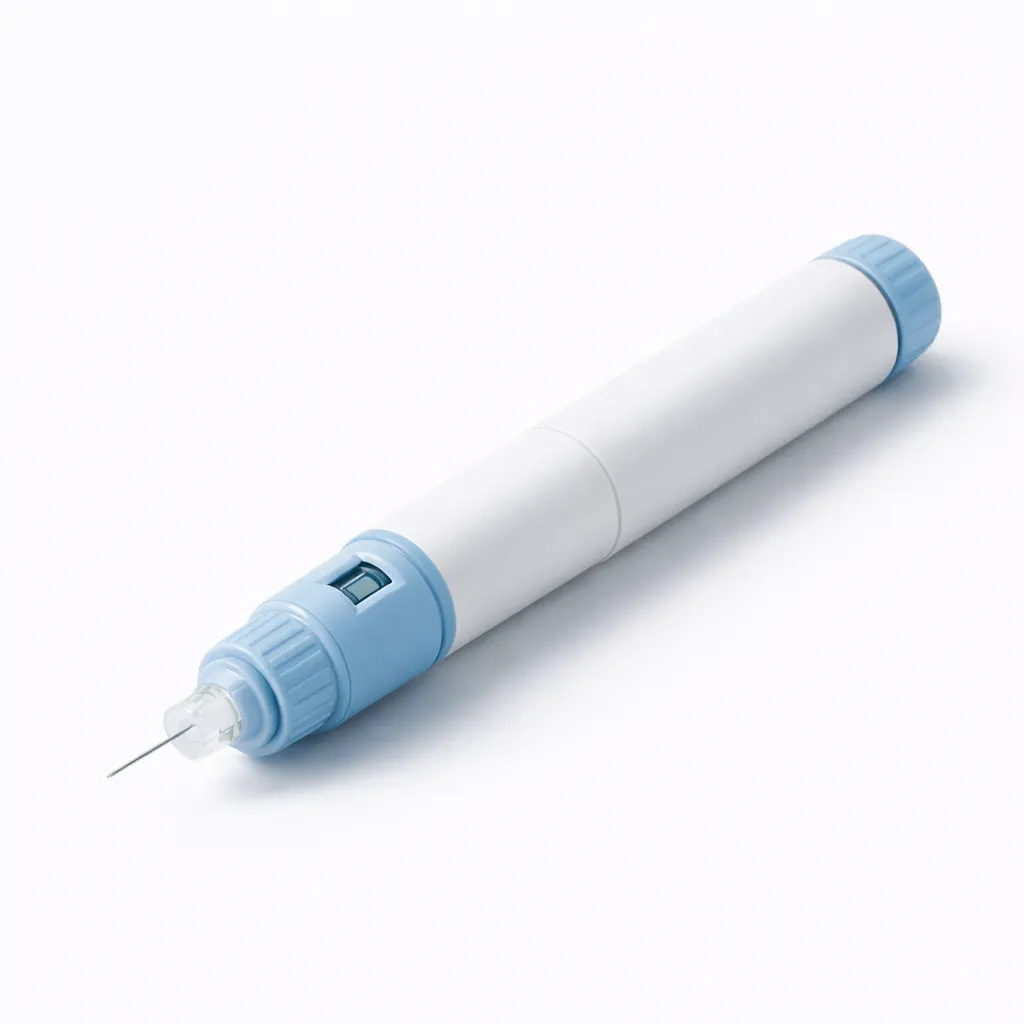
Description
NOVORAPID INSULIN 100IU INJ
Indications
Novorapid Insulin 100IU Injection is primarily indicated for the management of diabetes mellitus in adults and children. It is used to control blood glucose levels in individuals who require insulin therapy, particularly those with type 1 diabetes and some patients with type 2 diabetes. The rapid-acting insulin formulation is designed to be administered just before meals to help manage postprandial (after meal) blood glucose spikes.
Mechanism of Action
Novorapid, containing insulin aspart, is a rapid-acting insulin analog. Its mechanism of action involves facilitating the uptake of glucose by peripheral tissues, particularly muscle and adipose tissue. Insulin aspart binds to insulin receptors on these cells, promoting glucose transport into the cells by increasing the translocation of glucose transporter proteins (GLUT4) to the cell membrane. This process effectively lowers blood glucose levels, especially after meals, by enhancing glucose utilization and storage.
Pharmacological Properties
Novorapid Insulin has a unique pharmacokinetic profile characterized by a rapid onset of action, typically within 10 to 20 minutes after subcutaneous injection. The peak effect occurs approximately 1 to 3 hours post-injection, with a duration of action lasting about 3 to 5 hours. This rapid action is attributed to the modification of the insulin molecule, which allows for faster absorption into the bloodstream. The formulation is available in a concentration of 100 IU/mL, which facilitates precise dosing for patients.
Contraindications
Novorapid Insulin is contraindicated in patients who have a known hypersensitivity to insulin aspart or any of the excipients present in the formulation. Additionally, it should not be used in individuals experiencing episodes of hypoglycemia or in cases of diabetic ketoacidosis without concurrent insulin therapy. Caution is advised in patients with renal or hepatic impairment, as altered metabolism may affect insulin requirements.
Side Effects
Common side effects associated with Novorapid Insulin include hypoglycemia, which can manifest as symptoms such as dizziness, sweating, confusion, and palpitations. Other potential side effects include injection site reactions (redness, swelling, or itching), weight gain, and lipodystrophy (abnormal distribution of fat). Rare but serious side effects may include allergic reactions, which can present as rash, difficulty breathing, or swelling of the face and throat. Patients should be advised to monitor for these effects and report any concerns to their healthcare provider.
Dosage and Administration
The dosage of Novorapid Insulin is individualized based on the patient’s blood glucose levels, dietary intake, and physical activity. It is typically administered subcutaneously in the abdominal area, thigh, or upper arm. The recommended dosing schedule involves administration just before meals to achieve optimal postprandial glucose control. Patients should be educated on proper injection techniques and the importance of rotating injection sites to minimize the risk of lipodystrophy. Regular monitoring of blood glucose levels is essential to adjust the dosage as needed.
Interactions
Novorapid Insulin may interact with various medications that can either potentiate or diminish its hypoglycemic effect. For instance, certain oral hypoglycemic agents, beta-blockers, and other medications that affect glucose metabolism may alter insulin requirements. Alcohol consumption can also impact blood glucose levels and should be approached with caution. It is crucial for patients to inform their healthcare providers about all medications, supplements, and herbal products they are taking to ensure safe and effective use of Novorapid.
Precautions
Patients using Novorapid Insulin should be advised to carry a source of glucose at all times to treat potential hypoglycemic episodes. Regular monitoring of blood glucose levels is essential for timely adjustments in insulin therapy. Patients with a history of hypoglycemia unawareness should take extra precautions, as they may not recognize the symptoms of low blood sugar. Additionally, patients should be educated about the signs and symptoms of hyperglycemia and the importance of adhering to their prescribed diabetes management plan.
Clinical Studies
Clinical studies have demonstrated the efficacy of Novorapid Insulin in improving glycemic control in both type 1 and type 2 diabetes patients. Research indicates that the rapid onset and short duration of action of Novorapid can effectively reduce postprandial glucose levels when administered before meals. A study published in the journal Diabetes Care highlighted that patients using Novorapid experienced significant reductions in HbA1c levels compared to those on regular human insulin. Additionally, the safety profile of Novorapid has been established in various clinical trials, confirming its tolerability and effectiveness in managing diabetes.
Conclusion
Novorapid Insulin 100IU Injection is a vital therapeutic option for individuals managing diabetes mellitus. Its rapid-acting formulation allows for effective control of postprandial blood glucose levels, contributing to overall glycemic management. Patients should be educated on the proper use, potential side effects, and the importance of monitoring their blood glucose levels. As with any medication, it is essential for patients to work closely with their healthcare providers to optimize their diabetes management plan and ensure safe and effective use of Novorapid Insulin.
Important
It is crucial to use Novorapid Insulin responsibly and under the guidance of a healthcare professional. Patients should adhere to their prescribed treatment regimen and regularly monitor their blood glucose levels to ensure optimal diabetes management.