Description
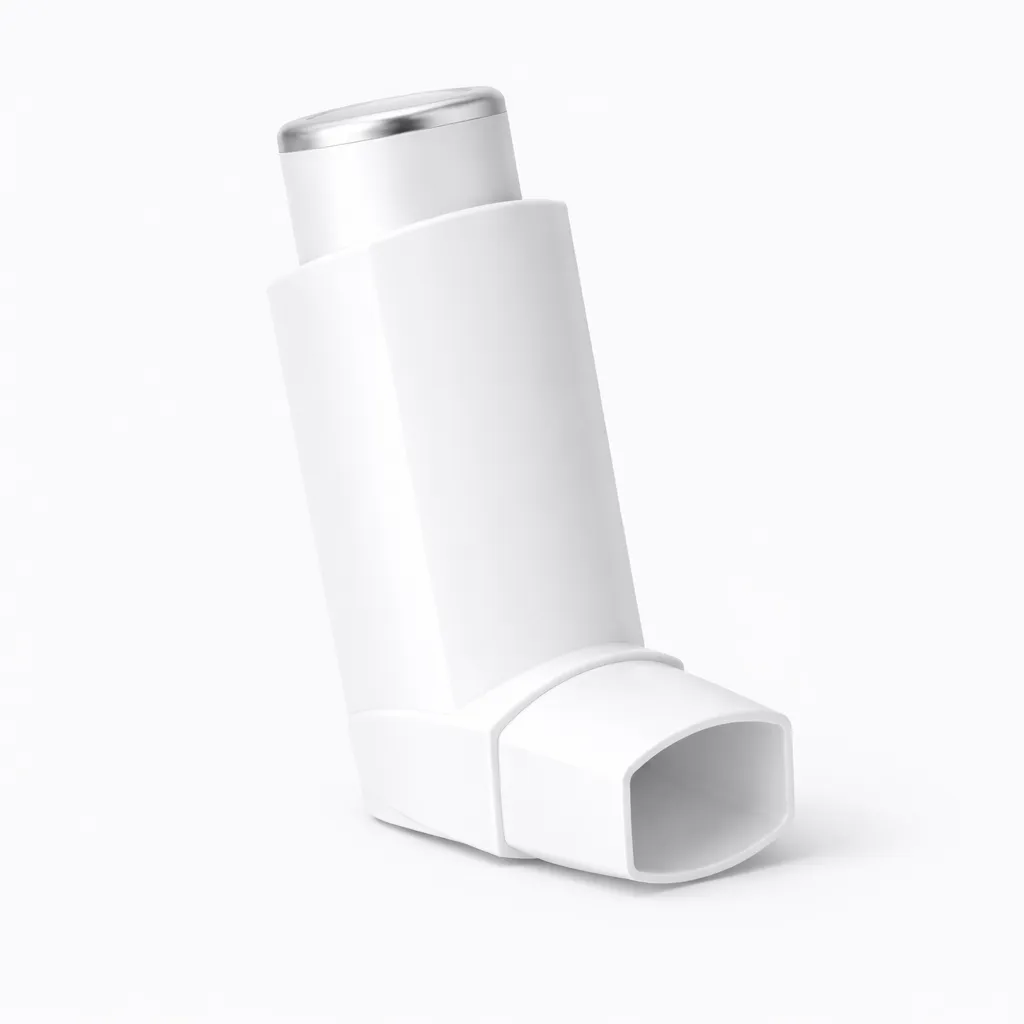
ODIHALE 100MCG INH 120MD
Indications
ODIHALE 100MCG INH 120MD is primarily indicated for the management of asthma and chronic obstructive pulmonary disease (COPD). This inhalation solution is designed to provide bronchodilation, thereby improving airflow and reducing respiratory distress in patients suffering from these chronic respiratory conditions. It is particularly beneficial for patients who require long-term control of their symptoms and may experience acute exacerbations.
Mechanism of Action
The active ingredient in ODIHALE 100MCG is a long-acting beta-2 adrenergic agonist (LABA). Upon inhalation, it binds to beta-2 adrenergic receptors located in the smooth muscle of the airways. This binding activates adenylate cyclase, leading to an increase in cyclic AMP (cAMP) levels. Elevated cAMP causes relaxation of bronchial smooth muscle, resulting in bronchodilation. This mechanism helps alleviate symptoms of bronchospasm and improves lung function in patients with asthma and COPD.
Pharmacological Properties
ODIHALE 100MCG exhibits a rapid onset of action, typically within 15 minutes of administration, with a duration of effect lasting up to 12 hours. This pharmacokinetic profile makes it suitable for both maintenance and rescue therapy in patients with obstructive airway diseases. The formulation is designed for inhalation, ensuring that the medication is delivered directly to the lungs, thereby maximizing therapeutic efficacy while minimizing systemic side effects.
Contraindications
ODIHALE 100MCG should not be used in patients with a known hypersensitivity to the active substance or any of the excipients in the formulation. It is also contraindicated in individuals with severe asthma exacerbations or those requiring immediate bronchodilation, as it is not intended for the treatment of acute asthma attacks. Patients with a history of cardiovascular disorders, such as tachyarrhythmias, should use this medication with caution.
Side Effects
Common side effects associated with ODIHALE 100MCG may include tremors, headache, palpitations, and nervousness. These effects are generally mild and transient. However, some patients may experience more severe side effects, such as paradoxical bronchospasm, which requires immediate discontinuation of the medication and medical evaluation. Other potential side effects include increased heart rate, hypertension, and hypokalemia. Patients should be monitored for these adverse effects, especially during the initiation of therapy or dose adjustments.
Dosage and Administration
The recommended dosage of ODIHALE 100MCG is typically one inhalation (100 mcg) administered twice daily, approximately 12 hours apart. It is crucial for patients to use the inhaler correctly to ensure optimal drug delivery. Patients should be instructed on the proper technique for using the inhaler, including shaking the device before use, exhaling fully before inhalation, and holding their breath for a few seconds after inhalation. Regular follow-up appointments should be scheduled to assess the patient’s response to treatment and make necessary adjustments.
Interactions
ODIHALE 100MCG may interact with other medications, particularly those that affect cardiovascular function. Concurrent use of other sympathomimetic agents can increase the risk of cardiovascular side effects. Additionally, beta-blockers may reduce the effectiveness of ODIHALE and should be used cautiously in patients requiring both medications. Patients should inform their healthcare provider of all medications they are currently taking, including over-the-counter drugs and herbal supplements, to avoid potential interactions.
Precautions
Patients using ODIHALE 100MCG should be monitored for signs of worsening asthma or COPD symptoms, particularly during the initiation of therapy. It is important to avoid sudden discontinuation of the medication without consulting a healthcare provider, as this may lead to exacerbation of respiratory symptoms. Caution is advised in patients with a history of seizures, hyperthyroidism, or diabetes mellitus, as the medication may exacerbate these conditions. Pregnant or breastfeeding women should discuss the risks and benefits of using ODIHALE with their healthcare provider before starting treatment.
Clinical Studies
Clinical studies have demonstrated the efficacy of ODIHALE 100MCG in improving lung function and reducing the frequency of asthma and COPD exacerbations. In a randomized controlled trial, patients receiving ODIHALE showed significant improvements in forced expiratory volume (FEV1) compared to those receiving a placebo. Additionally, the safety profile of ODIHALE has been established through extensive clinical trials, confirming that the benefits of treatment outweigh the potential risks in the indicated populations. Long-term studies have also indicated sustained efficacy and safety over extended periods of use.
Conclusion
ODIHALE 100MCG INH 120MD is a valuable therapeutic option for patients with asthma and COPD, providing effective bronchodilation and symptom control. Its long-acting formulation allows for convenient twice-daily dosing, making it suitable for long-term management of chronic respiratory conditions. As with any medication, it is essential for patients to adhere to prescribed dosages and to communicate any concerns or side effects to their healthcare provider. With appropriate use, ODIHALE can significantly enhance the quality of life for individuals living with obstructive airway diseases.
Important
It is essential to use ODIHALE 100MCG responsibly and under the guidance of a healthcare professional. Patients should follow prescribed dosages and report any side effects or concerns to their doctor promptly. Proper inhaler technique is crucial for maximizing the benefits of the medication.