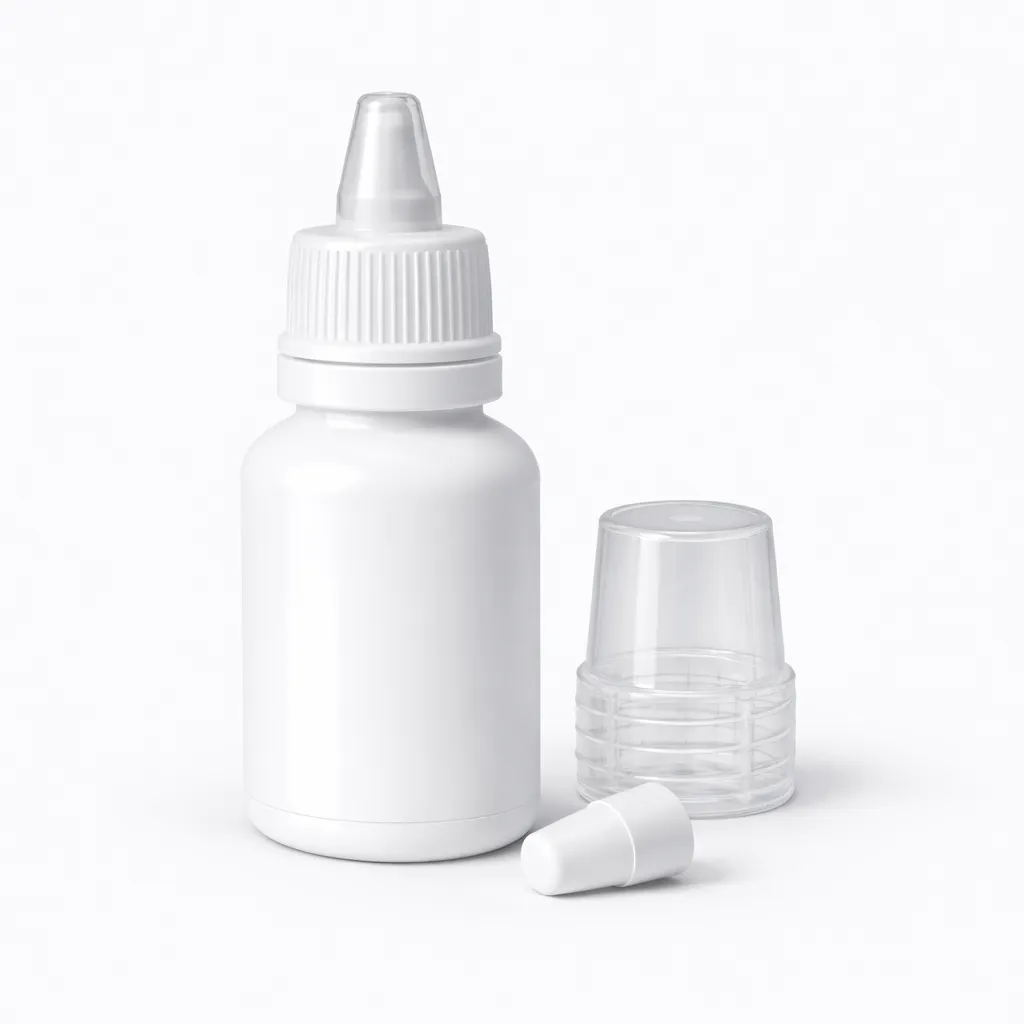
Description
OFLOKIND M LIQUID 30ML
Indications
OFLOKIND M LIQUID 30ML is primarily indicated for the treatment of bacterial infections caused by susceptible strains of microorganisms. It is commonly used in the management of respiratory tract infections, urinary tract infections, skin and soft tissue infections, and certain types of gastrointestinal infections. The formulation is particularly effective in cases where other antibiotics may not be suitable due to resistance or patient-specific factors.
Mechanism of Action
OFLOKIND M contains a combination of Ofloxacin and Metronidazole, which work synergistically to combat infections. Ofloxacin is a fluoroquinolone antibiotic that inhibits bacterial DNA gyrase and topoisomerase IV, enzymes critical for DNA replication and transcription. This inhibition leads to the cessation of bacterial growth and replication. Metronidazole, on the other hand, is an antiprotozoal and antibacterial agent that disrupts DNA synthesis in anaerobic bacteria and protozoa, resulting in cell death. Together, these components enhance the antibacterial efficacy and broaden the spectrum of activity against both aerobic and anaerobic pathogens.
Pharmacological Properties
OFLOKIND M is characterized by its broad-spectrum antibacterial activity. Ofloxacin exhibits high bioavailability and is well-absorbed from the gastrointestinal tract. It is widely distributed in body tissues and fluids, including the lungs, liver, and kidneys. Metronidazole also demonstrates good absorption and distribution, particularly in tissues with poor blood supply. The combination allows for effective treatment of polymicrobial infections, as it targets a variety of pathogens, including Gram-positive and Gram-negative bacteria, as well as certain protozoa. The elimination half-life of Ofloxacin is approximately 4 to 7 hours, while Metronidazole has a half-life of about 8 hours, necessitating careful consideration of dosing intervals.
Contraindications
OFLOKIND M LIQUID should not be used in patients with a known hypersensitivity to Ofloxacin, Metronidazole, or any other components of the formulation. It is also contraindicated in individuals with a history of tendon disorders related to fluoroquinolone use, as well as in patients with severe liver impairment or active central nervous system disorders, including epilepsy. Caution is advised in patients with a history of blood dyscrasias, as Metronidazole may affect hematological parameters.
Side Effects
The use of OFLOKIND M may be associated with a range of side effects. Commonly reported adverse effects include gastrointestinal disturbances such as nausea, vomiting, diarrhea, and abdominal pain. Neurological side effects may also occur, including dizziness, headache, and, in rare cases, seizures. Allergic reactions, although uncommon, can manifest as skin rashes, itching, or anaphylaxis. Patients should be advised to report any unusual symptoms to their healthcare provider promptly. Long-term use of Metronidazole may lead to peripheral neuropathy, and monitoring for signs of this condition is recommended.
Dosage and Administration
The recommended dosage of OFLOKIND M LIQUID varies depending on the type and severity of the infection, as well as patient-specific factors such as age and renal function. For adults, the typical dosage is 200-400 mg of Ofloxacin and 400 mg of Metronidazole, administered twice daily. For children, the dosage should be determined by a healthcare provider based on weight and clinical condition. The liquid formulation should be taken with or without food, and it is important to complete the full course of therapy as prescribed, even if symptoms improve before the treatment is finished. Patients should be advised to shake the bottle well before use to ensure proper mixing of the components.
Interactions
OFLOKIND M may interact with various medications, potentially altering their effects. Concurrent use of antacids, sucralfate, or iron supplements may reduce the absorption of Ofloxacin, thereby decreasing its effectiveness. Caution is also warranted when administering anticoagulants, as Metronidazole can potentiate their effects, increasing the risk of bleeding. Additionally, the use of alcohol should be avoided during treatment with Metronidazole due to the possibility of a disulfiram-like reaction, which can cause flushing, nausea, and palpitations. It is essential for patients to inform their healthcare provider of all medications they are taking to avoid potential drug interactions.
Precautions
Patients should be carefully assessed for any pre-existing conditions that may contraindicate the use of OFLOKIND M. Special precautions are necessary for individuals with a history of seizures, liver disease, or renal impairment. The use of this medication in pregnant or breastfeeding women should be approached with caution, as both Ofloxacin and Metronidazole can cross the placenta and are excreted in breast milk. While animal studies have shown no teratogenic effects, the safety of these agents in human pregnancy has not been fully established. Therefore, the risks and benefits must be weighed carefully before prescribing this medication to pregnant or lactating women.
Clinical Studies
Clinical studies have demonstrated the efficacy of OFLOKIND M in treating various bacterial infections. A randomized controlled trial published in a peer-reviewed journal evaluated the effectiveness of this combination therapy in patients with complicated urinary tract infections. The results indicated a significant reduction in infection rates and symptom resolution compared to placebo. Another study focused on the treatment of anaerobic infections, showing that the combination of Ofloxacin and Metronidazole was superior to monotherapy with either agent alone. These findings support the use of OFLOKIND M as a valuable option in the management of polymicrobial infections.
Conclusion
OFLOKIND M LIQUID 30ML is a potent combination antibiotic indicated for the treatment of various bacterial infections. Its dual action against both aerobic and anaerobic pathogens makes it a versatile choice in clinical practice. However, careful consideration of contraindications, potential side effects, and drug interactions is essential for safe and effective use. Patients should be educated on the importance of adhering to the prescribed dosage and duration of therapy to ensure optimal outcomes and minimize the risk of resistance development.
Important
It is crucial to use OFLOKIND M responsibly and only under the guidance of a healthcare professional. Misuse or overuse of antibiotics can lead to resistance, making infections harder to treat. Always follow your healthcare provider’s instructions regarding dosage and duration of treatment.