Description
ORLIJOHN 120 MG
Indications
ORLIJOHN 120 MG is primarily indicated for the management of obesity in adults. It is prescribed as an adjunct to a reduced-calorie diet and increased physical activity. This medication is suitable for patients with a body mass index (BMI) of 30 kg/m² or higher, or those with a BMI of 27 kg/m² or higher who have weight-related comorbid conditions such as hypertension, type 2 diabetes, or dyslipidemia. ORLIJOHN is designed to help patients achieve and maintain weight loss, thereby reducing the risk of developing obesity-related health issues.
Mechanism of Action
The active ingredient in ORLIJOHN is orlistat, which functions as a lipase inhibitor. It works by inhibiting the action of gastrointestinal lipases, enzymes that are essential for the digestion of dietary fats. By blocking these enzymes, ORLIJOHN reduces the absorption of dietary fats by approximately 30%. The unabsorbed fats are then excreted from the body in the feces. This mechanism not only aids in weight loss but also contributes to improvements in metabolic parameters associated with obesity.
Pharmacological Properties
ORLIJOHN is characterized by its pharmacokinetic properties, which include minimal systemic absorption. After oral administration, orlistat is not significantly absorbed into the bloodstream, with less than 1% of the dose reaching systemic circulation. The drug primarily acts locally in the gastrointestinal tract. The onset of action is typically within 24 to 48 hours after ingestion, and its effects can last for up to 72 hours. ORLIJOHN is metabolized in the intestines and excreted primarily in the feces, with a small amount eliminated through urine.
Contraindications
ORLIJOHN should not be used in patients with certain medical conditions. Contraindications include chronic malabsorption syndrome, cholestasis, and hypersensitivity to orlistat or any of the excipients in the formulation. It is also contraindicated in pregnant and breastfeeding women, as the effects of orlistat on fetal development and lactation are not well established. Patients with a history of kidney stones or oxalate nephropathy should use this medication with caution.
Side Effects
Common side effects associated with ORLIJOHN include gastrointestinal symptoms such as oily spotting, flatulence with discharge, fecal urgency, and fatty or oily stools. These side effects are generally mild to moderate and tend to decrease over time as the body adjusts to the medication. Rare but serious side effects may include liver injury, which can manifest as jaundice, dark urine, and abdominal pain. Patients should be advised to report any severe or persistent side effects to their healthcare provider.
Dosage and Administration
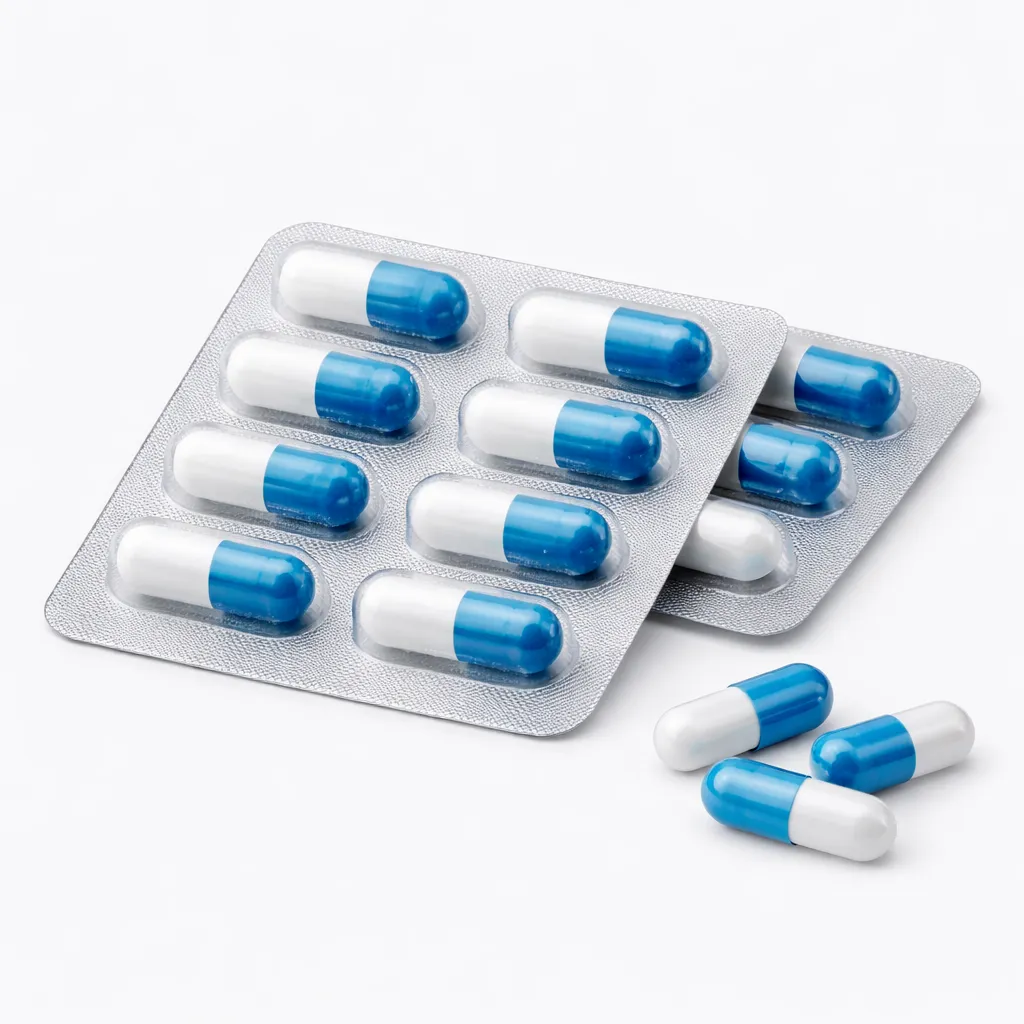
The recommended dosage of ORLIJOHN is one 120 mg capsule taken three times a day with each main meal containing fat. It is important to take the medication during or up to one hour after the meal. If a meal is missed or contains no fat, the dose should be skipped. Patients are encouraged to adhere to a nutritionally balanced, reduced-calorie diet while using ORLIJOHN to optimize weight loss results. Regular follow-ups with healthcare providers are recommended to monitor progress and adjust the treatment plan as necessary.
Interactions
ORLIJOHN may interact with certain medications, potentially altering their effectiveness or increasing the risk of side effects. Notable interactions include anticoagulants such as warfarin, where orlistat may affect the absorption of fat-soluble vitamins and lead to changes in coagulation parameters. Additionally, antiepileptic drugs and some antihypertensive medications may have altered absorption when taken concurrently with ORLIJOHN. It is advisable for patients to inform their healthcare provider of all medications they are currently taking to avoid potential interactions.
Precautions
Patients using ORLIJOHN should be monitored for signs of liver dysfunction, particularly those with pre-existing liver conditions. Regular assessment of liver function tests is recommended during the course of treatment. Additionally, individuals with a history of eating disorders should use ORLIJOHN with caution, as it may exacerbate disordered eating patterns. Patients should also be counseled on the importance of maintaining a balanced diet and engaging in physical activity to enhance the effectiveness of the treatment.
Clinical Studies
Clinical studies have demonstrated the efficacy of ORLIJOHN in promoting weight loss and improving metabolic parameters. In a multi-center, randomized, double-blind study involving overweight and obese adults, participants receiving orlistat in conjunction with a low-calorie diet lost significantly more weight compared to those receiving a placebo. The study also reported improvements in glycemic control and lipid profiles among participants using ORLIJOHN. Long-term studies have indicated that sustained weight loss can be achieved with continued use of the medication, alongside lifestyle modifications.
Conclusion
ORLIJOHN 120 MG is an effective pharmacological option for the management of obesity, particularly when used in conjunction with lifestyle changes. Its unique mechanism of action as a lipase inhibitor allows for significant reductions in dietary fat absorption, contributing to weight loss and improved health outcomes. While generally well-tolerated, it is essential for patients to be aware of potential side effects and contraindications. Regular monitoring and a comprehensive approach to weight management are crucial for achieving optimal results with ORLIJOHN.
Important
It is essential to use ORLIJOHN responsibly and under the guidance of a healthcare professional. Weight management is a multifaceted process that includes dietary changes, physical activity, and behavioral support. Always consult with a healthcare provider before starting any new medication.