
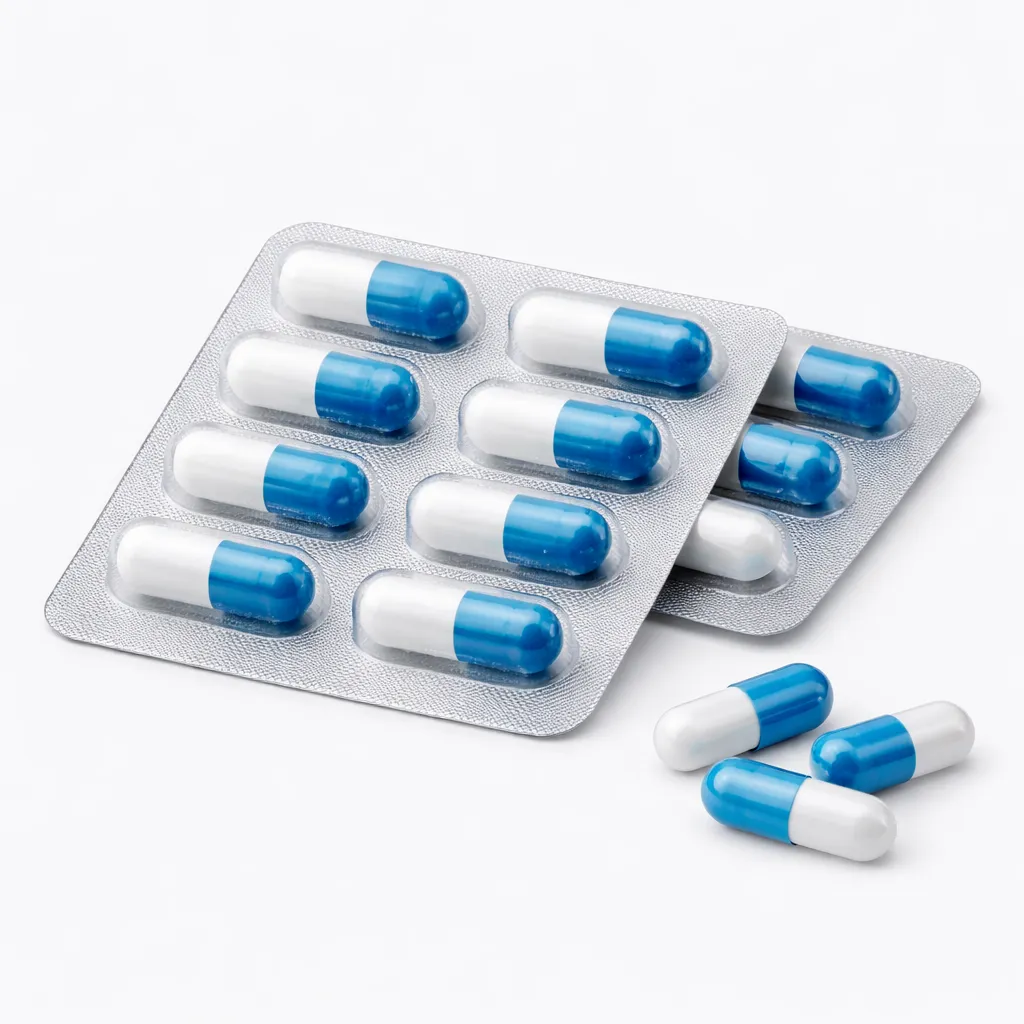
Description
PANTAFOL DSR
Indications
PANTAFOL DSR is primarily indicated for the treatment of gastroesophageal reflux disease (GERD), peptic ulcers, and other conditions associated with excessive gastric acid secretion. It is often prescribed for patients suffering from dyspepsia, heartburn, and other related gastrointestinal disorders. The formulation is designed to provide symptomatic relief and promote healing of the gastrointestinal mucosa.
Mechanism of Action
PANTAFOL DSR contains Pantoprazole, a proton pump inhibitor (PPI), which works by inhibiting the hydrogen-potassium ATPase enzyme system located at the secretory surface of the gastric parietal cells. This inhibition leads to a significant reduction in gastric acid secretion, both in the basal and stimulated states. The dual-action formulation also includes a prokinetic agent that enhances gastric motility, thereby facilitating faster gastric emptying and reducing symptoms associated with delayed gastric transit.
Pharmacological Properties
Pantoprazole is rapidly absorbed after oral administration, with peak plasma concentrations typically occurring within 2 to 4 hours. The drug has a bioavailability of approximately 77% when taken orally. It is extensively metabolized in the liver via the cytochrome P450 system, primarily through CYP2C19 and CYP3A4 pathways. The elimination half-life of Pantoprazole is about 1 hour, but its pharmacodynamic effects can last up to 24 hours due to the irreversible binding to the proton pump. The prokinetic component enhances gastrointestinal motility, which is beneficial for patients with symptoms of gastric stasis.
Contraindications
PANTAFOL DSR is contraindicated in patients with known hypersensitivity to Pantoprazole, other PPIs, or any of the formulation’s excipients. It should also be avoided in individuals with severe liver impairment, as the metabolism of Pantoprazole can be significantly affected. Additionally, the use of this medication is not recommended in patients with a history of gastric malignancy unless the diagnosis has been ruled out.
Side Effects
The side effects associated with PANTAFOL DSR can vary in severity and may include headache, dizziness, nausea, vomiting, diarrhea, abdominal pain, and flatulence. Less common but more serious side effects may include allergic reactions, liver enzyme elevations, and gastrointestinal infections such as Clostridium difficile-associated diarrhea. Long-term use of PPIs has been associated with potential risks such as vitamin B12 deficiency, bone fractures, and renal issues. Patients should be monitored for any adverse reactions, especially during prolonged therapy.
Dosage and Administration
The recommended dosage of PANTAFOL DSR is typically one capsule taken orally once daily, preferably before a meal. The duration of therapy may vary depending on the condition being treated, with a usual course lasting from 4 to 8 weeks for GERD and longer for peptic ulcer management. It is essential to follow the prescribing physician’s instructions closely and not to exceed the recommended dosage to avoid potential complications.
Interactions
PANTAFOL DSR may interact with various medications, potentially altering their effects. Notably, the absorption of drugs that require an acidic environment for optimal bioavailability, such as ketoconazole and atazanavir, may be reduced. Additionally, Pantoprazole can affect the metabolism of drugs metabolized by CYP2C19, such as clopidogrel, leading to decreased efficacy. It is crucial for patients to inform their healthcare providers about all medications they are taking, including over-the-counter drugs and supplements, to manage potential interactions effectively.
Precautions
Patients should exercise caution when using PANTAFOL DSR, especially those with a history of liver disease, renal impairment, or osteoporosis. Long-term use should be regularly evaluated by healthcare professionals to mitigate risks associated with prolonged acid suppression. It is also essential to monitor for any signs of gastrointestinal bleeding, particularly in patients with a history of peptic ulcer disease. Pregnant or breastfeeding women should consult their healthcare provider before starting this medication to assess the potential risks and benefits.
Clinical Studies
Clinical studies have demonstrated the efficacy of Pantoprazole in the management of GERD and peptic ulcers. A randomized controlled trial indicated that patients receiving Pantoprazole experienced significant improvement in symptoms and mucosal healing compared to those receiving placebo. Additionally, studies have shown that the combination of Pantoprazole with a prokinetic agent can enhance gastric emptying and relieve symptoms associated with delayed gastric transit. Ongoing research continues to explore the long-term safety profile and effectiveness of Pantoprazole in various gastrointestinal disorders.
Conclusion
PANTAFOL DSR is a valuable therapeutic option for patients suffering from conditions related to excessive gastric acid secretion. Its dual-action formulation not only reduces acid production but also improves gastric motility, providing comprehensive relief from symptoms. While generally well-tolerated, it is essential for patients to be aware of potential side effects and interactions with other medications. Regular monitoring and consultation with healthcare providers can ensure safe and effective use of this medication in managing gastrointestinal disorders.
Important
It is crucial to use PANTAFOL DSR responsibly and only as directed by a healthcare professional. Self-medication or misuse can lead to adverse effects and complications. Always consult your physician or pharmacist if you have questions regarding this medication.
