Description
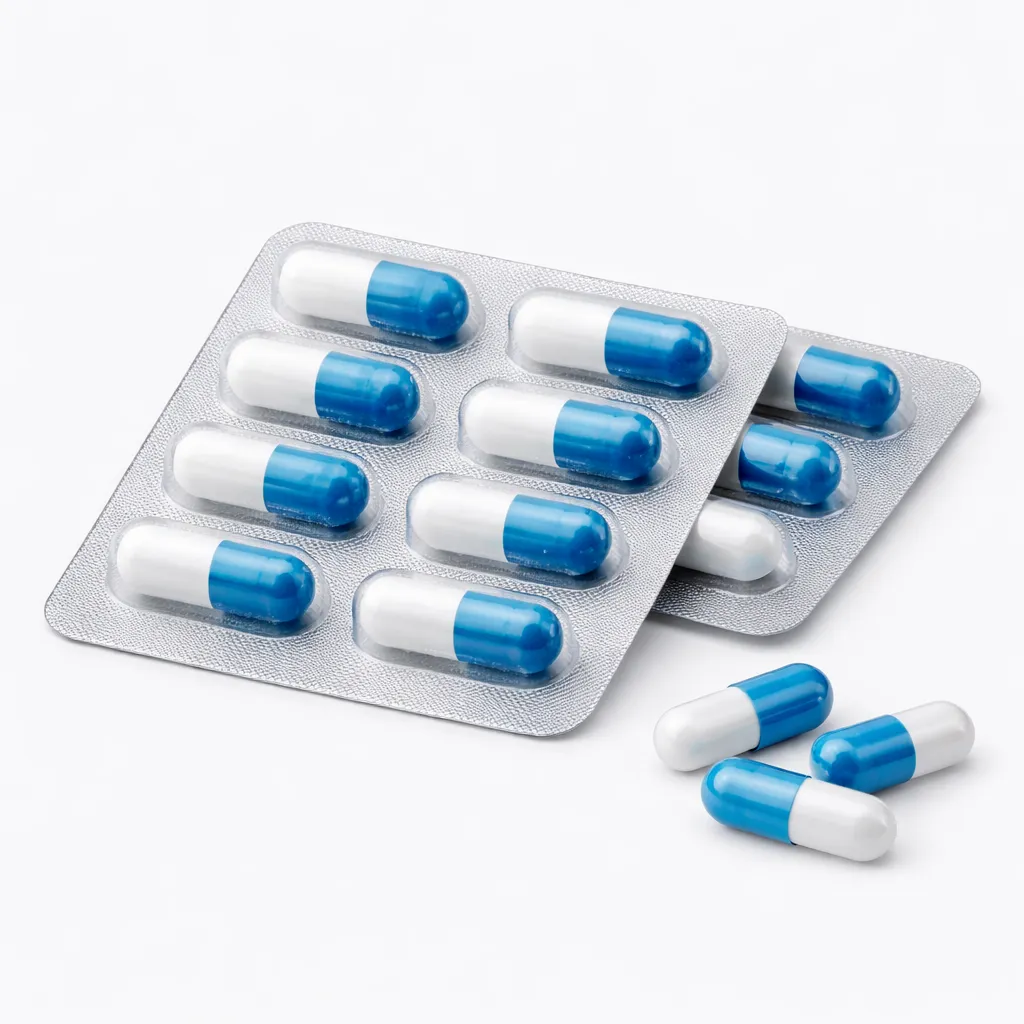
PAXIDEP CR 12.5 MG (1X10)
Indications
PAXIDEP CR 12.5 MG is primarily indicated for the treatment of major depressive disorder (MDD) and generalized anxiety disorder (GAD) in adults. It may also be utilized in the management of other anxiety-related conditions as determined by a healthcare professional. The medication is designed to alleviate symptoms associated with these disorders, including persistent sadness, anxiety, and loss of interest in daily activities.
Mechanism of Action
PAXIDEP CR contains the active ingredient desvenlafaxine, a serotonin-norepinephrine reuptake inhibitor (SNRI). The drug works by inhibiting the reuptake of serotonin and norepinephrine in the brain, leading to increased levels of these neurotransmitters in the synaptic cleft. This mechanism is believed to contribute to the improvement of mood and anxiety symptoms. By enhancing the activity of serotonin and norepinephrine, PAXIDEP CR helps restore the balance of neurotransmitters that may be disrupted in individuals with depression and anxiety disorders.
Pharmacological Properties
PAXIDEP CR exhibits a pharmacokinetic profile characterized by extended-release formulation, allowing for once-daily dosing. The peak plasma concentrations of desvenlafaxine are typically reached within 7.5 hours post-administration. The drug is extensively metabolized in the liver, primarily via the CYP3A4 enzyme pathway, and has a half-life of approximately 11 hours. This pharmacological profile supports its efficacy in providing sustained therapeutic effects throughout the day while minimizing the risk of withdrawal symptoms associated with abrupt discontinuation.
Contraindications
PAXIDEP CR is contraindicated in patients with a known hypersensitivity to desvenlafaxine or any of its components. Additionally, the use of this medication is not recommended in individuals who are currently taking monoamine oxidase inhibitors (MAOIs) or have taken them within the last 14 days due to the risk of serious, potentially life-threatening interactions. Patients with uncontrolled narrow-angle glaucoma should also avoid this medication, as it may exacerbate their condition.
Side Effects
Common side effects associated with PAXIDEP CR include nausea, dry mouth, dizziness, insomnia, and constipation. Other potential adverse effects may include increased sweating, decreased appetite, and sexual dysfunction. While most side effects are mild to moderate in intensity, patients should be monitored for more serious reactions, such as elevated blood pressure, serotonin syndrome, or signs of suicidal thoughts, particularly during the initial treatment phase or when dosage adjustments are made. It is crucial for patients to report any unusual or severe side effects to their healthcare provider promptly.
Dosage and Administration
The recommended starting dose of PAXIDEP CR for adults is 12.5 mg once daily, which may be adjusted based on clinical response and tolerability. The maximum recommended dose is 50 mg per day. It is advised to take the medication with food to enhance absorption and minimize gastrointestinal discomfort. Patients should not crush or chew the extended-release tablets, as this may lead to an uncontrolled release of the drug and increase the risk of side effects. Adherence to the prescribed dosage regimen is essential for optimal therapeutic outcomes.
Interactions
PAXIDEP CR may interact with several medications, which can alter its efficacy or increase the risk of adverse effects. Concomitant use with other serotonergic drugs, such as triptans, tramadol, or certain antidepressants, may increase the risk of serotonin syndrome, a potentially life-threatening condition. Additionally, medications that affect hepatic enzymes, particularly CYP3A4 inhibitors or inducers, may alter the metabolism of desvenlafaxine. Patients should inform their healthcare provider about all medications, supplements, and herbal products they are taking to ensure safe and effective use of PAXIDEP CR.
Precautions
Before initiating treatment with PAXIDEP CR, healthcare providers should conduct a thorough assessment of the patient’s medical history, including any history of bipolar disorder, seizures, or cardiovascular conditions. Special caution is warranted in patients with a history of substance abuse, as the potential for misuse exists. Monitoring of blood pressure is recommended, particularly in patients with pre-existing hypertension. Pregnant or breastfeeding women should discuss the risks and benefits of using PAXIDEP CR with their healthcare provider, as the medication may have implications for fetal development or lactation.
Clinical Studies
Clinical trials have demonstrated the efficacy of PAXIDEP CR in treating major depressive disorder and generalized anxiety disorder. In a randomized, double-blind, placebo-controlled study, patients receiving PAXIDEP CR showed significant improvement in depression and anxiety symptoms compared to those receiving placebo. The results indicated that the medication is effective in reducing the severity of symptoms and improving overall quality of life. Long-term studies have also suggested that PAXIDEP CR maintains its efficacy over extended periods, with a favorable safety profile when used as directed.
Conclusion
PAXIDEP CR 12.5 MG is a valuable therapeutic option for individuals suffering from major depressive disorder and generalized anxiety disorder. Its unique mechanism of action as a serotonin-norepinephrine reuptake inhibitor, coupled with its extended-release formulation, allows for effective management of symptoms with once-daily dosing. While generally well-tolerated, it is essential for patients to be aware of potential side effects and drug interactions. Regular follow-up with healthcare providers is crucial to ensure safe and effective treatment outcomes.
Important
It is essential to use PAXIDEP CR responsibly and under the guidance of a qualified healthcare professional. Adherence to prescribed dosages and regular consultations can help maximize the benefits of the medication while minimizing potential risks.