Description
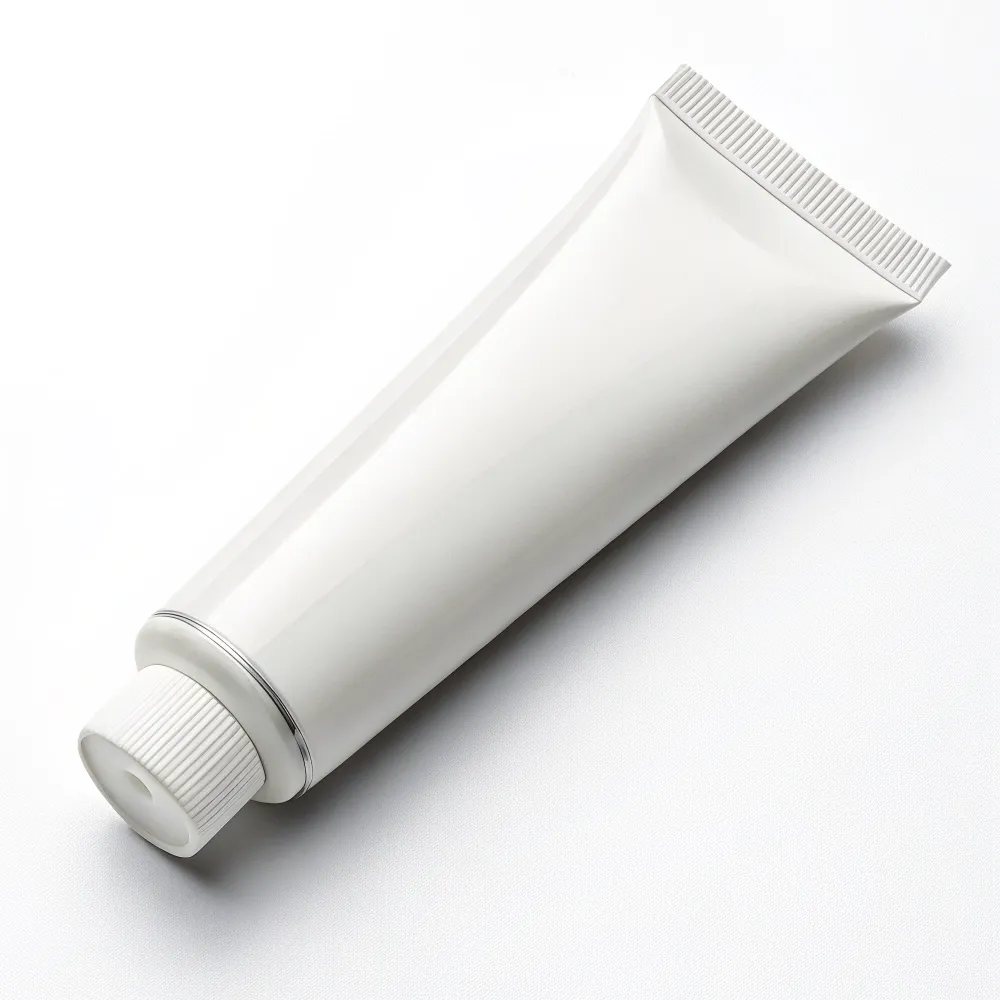
PILON CREAM 25GM
Indications
PILON CREAM 25GM is a topical formulation primarily indicated for the treatment of various dermatological conditions. It is commonly used to manage inflammatory skin disorders such as eczema, dermatitis, and psoriasis. The cream is designed to alleviate symptoms including itching, redness, and swelling associated with these conditions. Additionally, it may be utilized for the treatment of localized infections and as an adjunct therapy in certain cases of skin irritation due to allergic reactions or contact dermatitis.
Mechanism of Action
The active ingredients in PILON CREAM work synergistically to exert their therapeutic effects. The cream typically contains a combination of corticosteroids, which are anti-inflammatory agents, and other components that may possess antibacterial or antifungal properties. The corticosteroids reduce inflammation by inhibiting the release of inflammatory mediators from immune cells, leading to decreased redness, swelling, and itching. Concurrently, any antimicrobial agents present help to prevent or treat secondary infections that may complicate the primary skin condition.
Pharmacological Properties
PILON CREAM is formulated for topical application, allowing for localized treatment of affected areas. The pharmacokinetics of the active ingredients vary, but generally, they exhibit minimal systemic absorption when applied to intact skin. This localized action minimizes the risk of systemic side effects while maximizing therapeutic efficacy at the site of application. The cream is designed for easy absorption and penetration into the skin layers, ensuring that the active ingredients reach the target tissues effectively.
Contraindications
PILON CREAM should not be used in individuals with known hypersensitivity to any of its components. It is contraindicated in patients with viral infections of the skin, such as herpes simplex or varicella, as well as in cases of fungal infections and tuberculosis of the skin. Additionally, it should not be applied to open wounds or broken skin, as this may increase the risk of systemic absorption and potential side effects. Caution is advised when considering its use in pregnant or breastfeeding women, and it should only be used if the benefits outweigh the risks.
Side Effects
While PILON CREAM is generally well-tolerated, some patients may experience side effects. Common side effects include local irritation, burning, or stinging at the site of application. Prolonged use of topical corticosteroids can lead to skin thinning (atrophy), striae (stretch marks), and telangiectasia (spider veins). Systemic side effects are rare but may occur, particularly with extensive use or application to large surface areas. Patients should be advised to report any unusual or severe reactions to their healthcare provider promptly.
Dosage and Administration
The recommended dosage of PILON CREAM varies depending on the specific condition being treated and the severity of the symptoms. Generally, a thin layer of the cream should be applied to the affected area once or twice daily, as directed by a healthcare professional. It is important to gently massage the cream into the skin until fully absorbed. Patients should be instructed to wash their hands after application to avoid unintentional contact with other areas of the body or with other individuals. Treatment duration should be determined by the healthcare provider, and patients should not exceed the recommended duration of use to minimize the risk of side effects.
Interactions
PILON CREAM is primarily for topical use, which limits its potential for systemic drug interactions. However, patients should inform their healthcare provider of all medications they are currently taking, including over-the-counter products and herbal supplements. Caution is advised when using other topical medications simultaneously, as this may alter the effectiveness of PILON CREAM or increase the risk of local irritation. Additionally, the use of occlusive dressings over the cream may enhance absorption and increase the risk of side effects, and should be done under medical supervision.
Precautions
Patients using PILON CREAM should be monitored for signs of local irritation or allergic reactions. It is advisable to perform a patch test prior to the first application, especially in individuals with a history of skin sensitivities. Long-term use of topical corticosteroids should be avoided unless specifically directed by a healthcare provider, as this can lead to complications such as skin atrophy or adrenal suppression. Special caution should be exercised in pediatric patients, as they may be more susceptible to the effects of corticosteroids. Patients should also be advised to avoid exposure to sunlight or ultraviolet light on treated areas, as this can exacerbate skin reactions.
Clinical Studies
Clinical studies have demonstrated the efficacy of PILON CREAM in managing various inflammatory skin conditions. In controlled trials, patients treated with PILON CREAM showed significant improvement in symptoms such as itching, erythema, and scaling compared to those receiving placebo treatments. The safety profile of the cream has also been evaluated, with most adverse effects being mild and transient. Long-term studies indicate that when used appropriately, PILON CREAM can provide sustained relief from symptoms without significant adverse effects in the majority of patients.
Conclusion
PILON CREAM 25GM is an effective topical treatment for various dermatological conditions characterized by inflammation and irritation. Its combination of anti-inflammatory and antimicrobial properties makes it a versatile option for managing skin disorders. However, it is essential for patients to use the cream responsibly, adhering to recommended dosages and durations to minimize the risk of side effects. Consultation with a healthcare provider is crucial to ensure that PILON CREAM is appropriate for individual circumstances and to monitor for any potential complications during treatment.
Important
It is essential to use PILON CREAM responsibly and as directed by a healthcare professional. Misuse or overuse can lead to adverse effects. Always consult a medical professional for personalized advice and treatment options.