
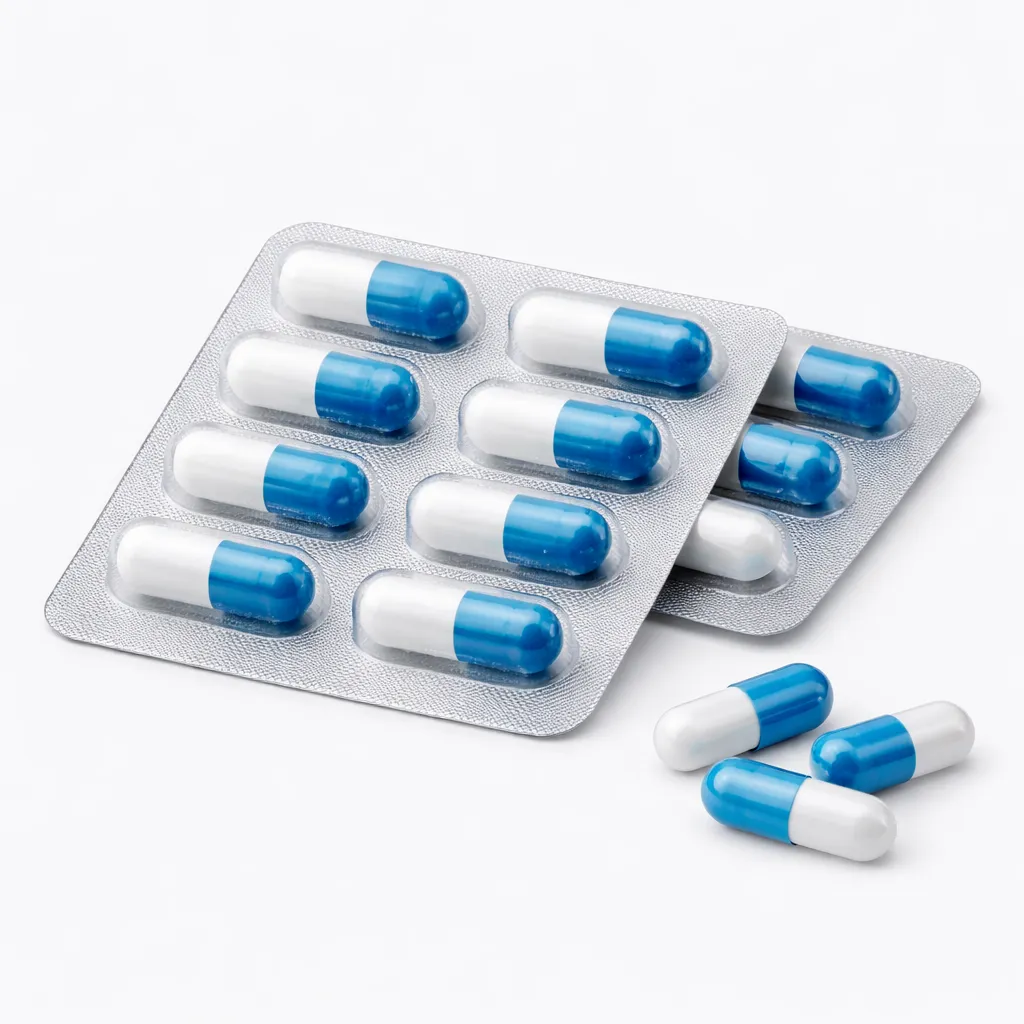
Description
PIRFENEX 200 MG (1X15)
Indications
PIRFENEX (pirfenidone) is indicated for the treatment of idiopathic pulmonary fibrosis (IPF), a chronic and progressive lung disease characterized by the thickening and stiffening of lung tissue. This condition leads to a decline in lung function and can significantly impact the quality of life. Pirfenidone has been shown to slow the progression of IPF, making it a vital therapeutic option for patients diagnosed with this condition.
Mechanism of Action
The exact mechanism of action of pirfenidone is not fully understood; however, it is believed to involve multiple pathways. Pirfenidone exhibits anti-fibrotic and anti-inflammatory properties, which are crucial in the management of IPF. It is thought to inhibit the synthesis of transforming growth factor-beta (TGF-β), a key mediator in the fibrotic process. Additionally, pirfenidone may reduce the proliferation of fibroblasts and the deposition of extracellular matrix components, thereby mitigating the fibrotic response in the lungs.
Pharmacological Properties
Pirfenidone is an oral medication with a molecular weight of 186.2 g/mol. It is classified as an antifibrotic agent. After oral administration, pirfenidone is rapidly absorbed, with peak plasma concentrations typically occurring within 4 to 8 hours. The drug undergoes extensive hepatic metabolism, primarily via the cytochrome P450 system, particularly CYP1A2. The elimination half-life of pirfenidone ranges from 2 to 4 hours, necessitating multiple doses throughout the day to maintain therapeutic levels. The drug is primarily excreted in urine and feces, with renal impairment potentially affecting its clearance.
Contraindications
PIRFENEX is contraindicated in patients with a known hypersensitivity to pirfenidone or any of the excipients in the formulation. Additionally, it should be avoided in individuals with severe liver impairment (Child-Pugh class C) due to the increased risk of adverse effects and altered pharmacokinetics. Caution is advised in patients with a history of liver disease, as pirfenidone may elevate liver enzymes.
Side Effects
The use of PIRFENEX may be associated with several side effects. Common adverse reactions include gastrointestinal disturbances such as nausea, diarrhea, and anorexia. Fatigue and rash are also frequently reported. More serious side effects may include liver enzyme elevation, which necessitates regular monitoring of liver function tests. In rare cases, hypersensitivity reactions, including anaphylaxis, may occur. Patients should be advised to report any unusual symptoms or side effects to their healthcare provider promptly.
Dosage and Administration
The recommended starting dose of PIRFENEX is 267 mg taken three times daily, which can be increased to a maximum dose of 801 mg per day (267 mg three times daily) based on patient tolerance and clinical response. It is advised to take the medication with food to enhance absorption and minimize gastrointestinal side effects. Patients should be instructed on the importance of adherence to the prescribed dosing regimen and to consult their healthcare provider before making any changes to their medication schedule.
Interactions
PIRFENEX may interact with other medications, particularly those that are metabolized by the CYP1A2 enzyme. Strong inducers of CYP1A2, such as rifampicin and carbamazepine, may reduce the efficacy of pirfenidone. Conversely, strong inhibitors of CYP1A2, such as fluvoxamine, may increase the plasma concentrations of pirfenidone, potentially leading to an increased risk of side effects. It is essential for healthcare providers to review a patient’s complete medication list to identify potential drug interactions before initiating treatment with PIRFENEX.
Precautions
Patients receiving PIRFENEX should be monitored closely for liver function, as hepatotoxicity is a known risk. Baseline liver function tests should be performed prior to starting treatment, with regular follow-up assessments thereafter. Additionally, patients should be advised to avoid alcohol consumption, as it may exacerbate liver-related side effects. Caution is also warranted in patients with a history of photosensitivity, as pirfenidone may increase the risk of skin reactions upon exposure to sunlight. Protective measures, including the use of sunscreen and protective clothing, should be recommended.
Clinical Studies
Clinical studies have demonstrated the efficacy of pirfenidone in slowing the progression of idiopathic pulmonary fibrosis. The pivotal trial, known as the ASCEND study, showed that patients treated with pirfenidone experienced a significant reduction in the decline of forced vital capacity (FVC) compared to placebo. Additional studies have reinforced these findings, indicating that pirfenidone not only slows disease progression but also improves quality of life and reduces the risk of acute exacerbations in patients with IPF. Long-term data suggest that pirfenidone may also have a favorable safety profile, with manageable side effects.
Conclusion
PIRFENEX 200 MG is a crucial therapeutic option for patients diagnosed with idiopathic pulmonary fibrosis. Its multifaceted mechanism of action, combined with its demonstrated efficacy in clinical studies, makes it a valuable addition to the treatment landscape for this challenging condition. However, careful monitoring for side effects and drug interactions is essential to ensure patient safety and optimize therapeutic outcomes. Patients should be educated on the importance of adherence to the prescribed regimen and encouraged to communicate openly with their healthcare providers about any concerns or side effects experienced during treatment.
Important
It is essential to use PIRFENEX responsibly and under the guidance of a qualified healthcare professional. Patients should be aware of the potential risks and benefits associated with its use and engage in regular follow-up appointments to monitor their health status.


