
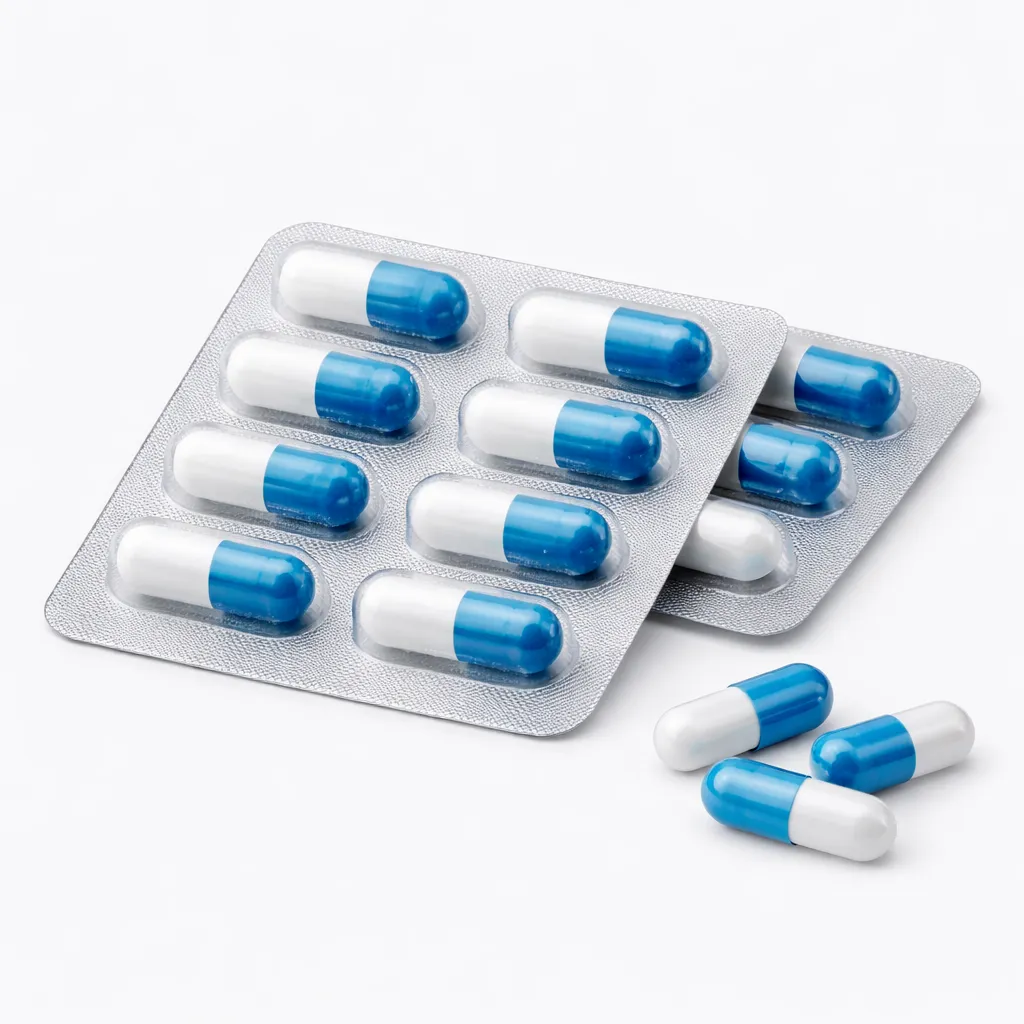
Description
PRADAXA 150 MG
Indications
PRADAXA (dabigatran etexilate) 150 mg is an oral anticoagulant indicated for the prevention of stroke and systemic embolism in patients with non-valvular atrial fibrillation. It is also used for the treatment of deep vein thrombosis (DVT) and pulmonary embolism (PE) following initial therapy with a parenteral anticoagulant. Additionally, PRADAXA is indicated for the prevention of DVT and PE in patients who have undergone hip replacement surgery.
Mechanism of Action
PRADAXA is a direct thrombin inhibitor. It works by specifically inhibiting thrombin, an enzyme that plays a crucial role in the coagulation cascade. By binding to thrombin, PRADAXA prevents the conversion of fibrinogen to fibrin, thereby inhibiting clot formation. This mechanism is effective in reducing the risk of thromboembolic events in patients with conditions such as atrial fibrillation and those at risk for venous thromboembolism.
Pharmacological Properties
The pharmacokinetics of PRADAXA show that it is rapidly absorbed, with peak plasma concentrations occurring approximately 1 to 2 hours after oral administration. The bioavailability of PRADAXA is approximately 6.5% to 7% when taken as a capsule. The drug is primarily eliminated through the kidneys, with about 80% of the dose excreted as unchanged drug in urine. The half-life of PRADAXA is approximately 12 to 17 hours in healthy individuals, which may be extended in patients with renal impairment.
Contraindications
PRADAXA is contraindicated in patients with active bleeding or a significant risk of bleeding, including those with a history of gastrointestinal bleeding, recent surgery, or trauma. It should not be used in patients with severe renal impairment (creatinine clearance < 15 mL/min) or those with mechanical prosthetic heart valves. Additionally, PRADAXA is contraindicated in patients who are hypersensitive to dabigatran or any of the excipients in the formulation.
Side Effects
The most common side effects associated with PRADAXA include gastrointestinal disturbances such as dyspepsia, nausea, and abdominal pain. Other potential side effects include bleeding complications, which can manifest as hematoma, hematuria, or gastrointestinal bleeding. Rare but serious side effects include anaphylactic reactions and liver enzyme elevations. Patients should be monitored for signs of bleeding and other adverse effects during treatment.
Dosage and Administration
The recommended dose of PRADAXA for the prevention of stroke and systemic embolism in patients with non-valvular atrial fibrillation is 150 mg taken orally twice daily. For the treatment of DVT and PE, the initial dose is typically 150 mg taken twice daily after a minimum of 5 days of parenteral anticoagulation. In patients with moderate renal impairment (creatinine clearance 15-30 mL/min), a reduced dose of 75 mg twice daily may be considered. It is important for patients to take PRADAXA with or without food, but consistent timing with respect to meals is recommended to maintain steady drug levels.
Interactions
PRADAXA may interact with several medications, which can affect its anticoagulant effect. Strong P-glycoprotein (P-gp) inhibitors, such as verapamil, amiodarone, and quinidine, can increase the concentration of dabigatran, potentially leading to an increased risk of bleeding. Conversely, P-gp inducers, such as rifampin, can decrease dabigatran levels, reducing its efficacy. It is essential for healthcare providers to review all concomitant medications and adjust the treatment regimen accordingly to minimize the risk of drug interactions.
Precautions
Before initiating therapy with PRADAXA, a thorough assessment of renal function is recommended, as dosage adjustments may be necessary in patients with renal impairment. Caution should be exercised in patients with a history of gastrointestinal ulcers or bleeding, as well as in those undergoing procedures that may increase the risk of bleeding. Patients should be educated on the signs and symptoms of bleeding and advised to seek immediate medical attention if they experience unusual bruising, prolonged bleeding, or any other concerning symptoms.
Clinical Studies
Several clinical studies have evaluated the efficacy and safety of PRADAXA in various patient populations. The RE-LY trial, a landmark study, demonstrated that PRADAXA 150 mg was superior to warfarin in reducing the risk of stroke and systemic embolism in patients with non-valvular atrial fibrillation, with a similar or lower risk of major bleeding. Other studies have shown that PRADAXA is effective in the treatment and prevention of DVT and PE, with a favorable safety profile compared to traditional anticoagulants. Ongoing research continues to explore the long-term effects and potential new indications for PRADAXA.
Conclusion
PRADAXA 150 mg is a valuable anticoagulant option for the prevention of thromboembolic events in various clinical settings. Its unique mechanism of action as a direct thrombin inhibitor, along with its favorable pharmacokinetic profile, makes it an effective alternative to traditional anticoagulants. However, careful consideration of contraindications, potential side effects, and drug interactions is essential for safe and effective use. Ongoing clinical studies will likely continue to provide insights into the broader applications of PRADAXA in clinical practice.
Important
It is crucial to use PRADAXA responsibly and under the supervision of a qualified healthcare professional. Patients should adhere to prescribed dosages and report any side effects or concerns to their healthcare provider promptly.


