Description
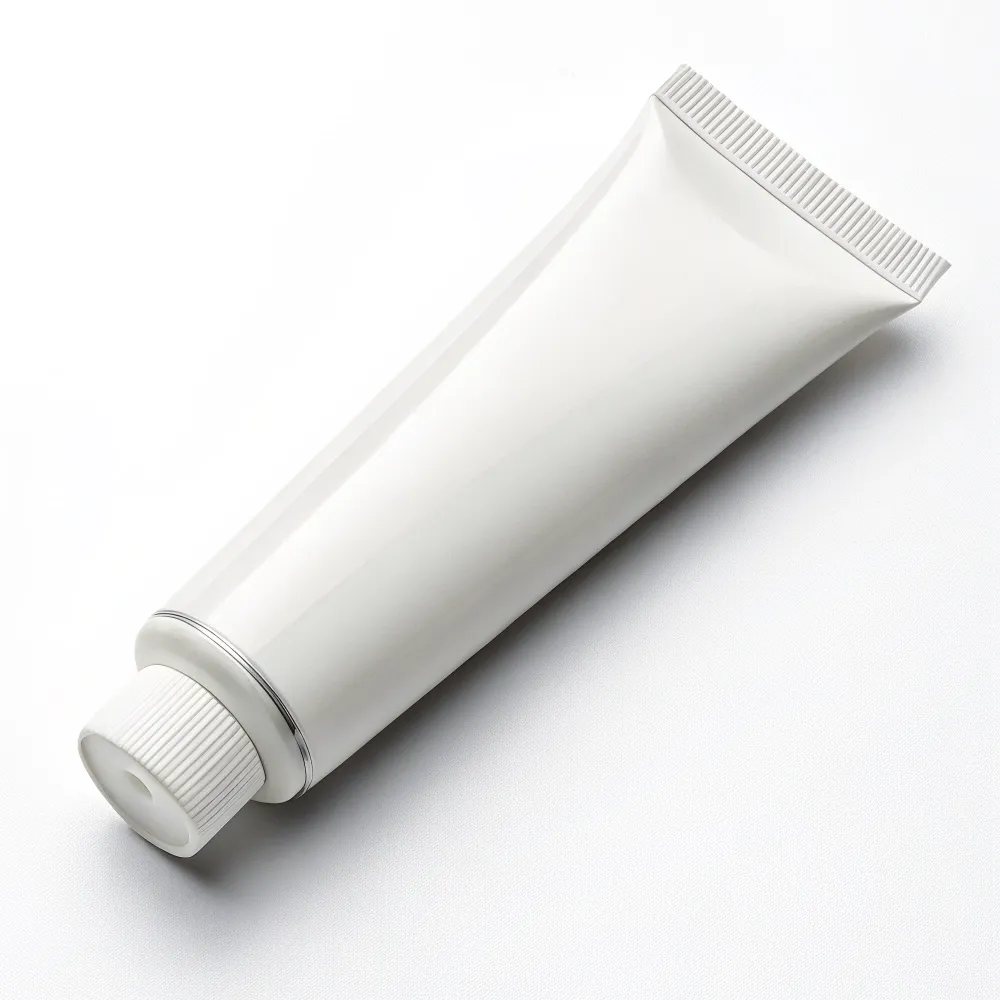
PRETIBENZYL CREAM 20GM
Indications
Pretibenzyl cream is primarily indicated for the treatment of various dermatological conditions, including but not limited to inflammatory skin disorders such as eczema, psoriasis, and dermatitis. It is particularly effective in alleviating symptoms associated with these conditions, such as itching, redness, and inflammation. Additionally, this topical formulation may be used in the management of localized skin infections where inflammation is present.
Mechanism of Action
The active ingredient in Pretibenzyl cream works by modulating the immune response and exerting anti-inflammatory effects. It inhibits the proliferation of keratinocytes and reduces the activity of inflammatory cytokines, which play a significant role in the pathophysiology of skin disorders. By doing so, it helps to restore the skin’s natural barrier function and promotes healing. The cream’s formulation allows for effective penetration into the skin, providing localized relief from symptoms.
Pharmacological Properties
Pretibenzyl cream contains a combination of active ingredients that possess anti-inflammatory, antipruritic, and immunomodulatory properties. The pharmacokinetics of the cream indicate that it is rapidly absorbed through the skin, with peak concentrations achieved within hours of application. The cream’s formulation is designed to minimize systemic absorption, thereby reducing the risk of systemic side effects. Additionally, it is non-greasy and easily spreadable, enhancing patient compliance.
Contraindications
Pretibenzyl cream should not be used in individuals with a known hypersensitivity to any of its components. It is contraindicated in patients with viral infections of the skin, such as herpes simplex or varicella, as well as in cases of fungal or bacterial infections unless these infections are being treated concurrently. Caution should also be exercised in patients with a history of skin reactions to topical corticosteroids or similar agents.
Side Effects
While Pretibenzyl cream is generally well-tolerated, some patients may experience side effects. Common side effects include local irritation, burning, or stinging at the application site. In rare cases, allergic reactions may occur, presenting as rash, urticaria, or swelling. Prolonged use may lead to skin atrophy or telangiectasia. If any severe reactions are observed, patients should discontinue use and consult a healthcare professional.
Dosage and Administration
The recommended dosage of Pretibenzyl cream is to apply a thin layer to the affected area of the skin once or twice daily, depending on the severity of the condition. It is important to gently massage the cream into the skin until fully absorbed. Patients should be advised to wash their hands after application to avoid unintentional transfer of the cream to other areas or individuals. The duration of treatment should be determined by a healthcare provider, typically ranging from a few days to several weeks based on clinical response.
Interactions
Currently, there are no well-documented drug interactions specific to Pretibenzyl cream. However, caution is advised when using other topical medications concurrently, as they may enhance or diminish the effects of the cream. Patients should inform their healthcare provider of all medications they are currently using, including over-the-counter products, to ensure safe and effective treatment.
Precautions
Before using Pretibenzyl cream, patients should be evaluated for any underlying skin conditions that may contraindicate its use. It is essential to avoid application on open wounds or broken skin. Additionally, patients should be advised to avoid contact with the eyes and mucous membranes. Special care should be taken in pediatric patients, as their skin may be more susceptible to side effects. Pregnant and breastfeeding women should consult their healthcare provider before using this medication.
Clinical Studies
Clinical studies evaluating the efficacy of Pretibenzyl cream have demonstrated significant improvement in symptoms associated with inflammatory skin conditions. In a randomized controlled trial, patients using the cream reported a marked reduction in pruritus and erythema compared to those receiving a placebo. Furthermore, long-term studies indicated that the cream maintained its efficacy without significant adverse effects over extended periods of use. These findings underscore the cream’s role in the management of chronic dermatological conditions.
Conclusion
Pretibenzyl cream is an effective topical treatment for various inflammatory skin disorders. Its mechanism of action, combined with favorable pharmacological properties, makes it a valuable option for patients seeking relief from symptoms such as itching and inflammation. While generally well-tolerated, it is important for patients to be aware of potential side effects and to use the cream as directed by their healthcare provider. Ongoing clinical studies continue to support its use in dermatology, highlighting its therapeutic benefits.
Important
It is essential to use Pretibenzyl cream responsibly and as directed by a healthcare professional. Always consult your physician if you have any concerns or experience adverse effects while using this medication.