
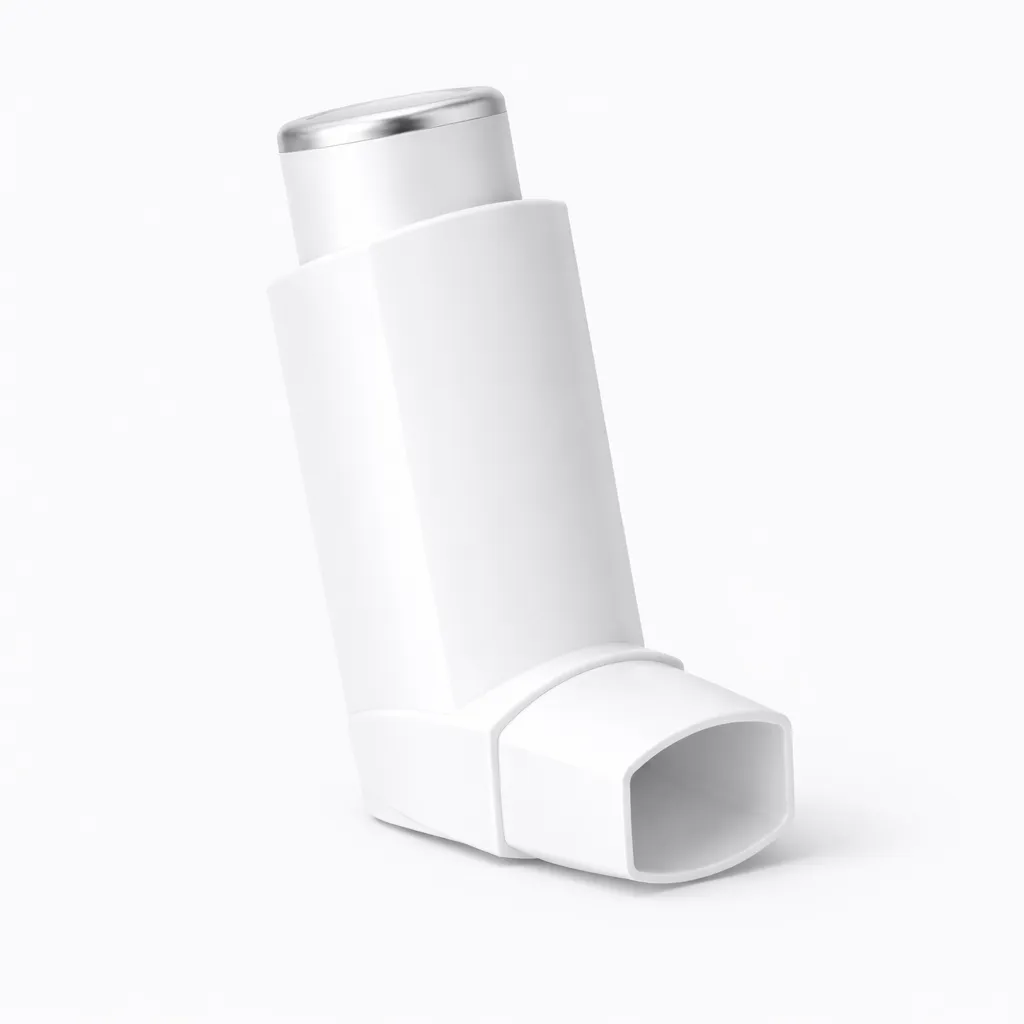
Description
PROPELAR F
Indications
PROPELAR F is primarily indicated for the management of various inflammatory conditions, particularly those affecting the respiratory system. It is commonly used in the treatment of asthma and chronic obstructive pulmonary disease (COPD). Additionally, PROPELAR F may be prescribed for patients experiencing acute exacerbations of these conditions, providing symptomatic relief and improving overall lung function.
Mechanism of Action
PROPELAR F functions through a dual mechanism of action. It combines a corticosteroid and a long-acting beta-agonist (LABA) to exert its therapeutic effects. The corticosteroid component works by reducing inflammation in the airways, thus decreasing mucus production and swelling. This action leads to improved airflow and reduced respiratory distress. The LABA component relaxes the smooth muscles of the airways, resulting in bronchodilation that helps to alleviate symptoms such as wheezing and shortness of breath. Together, these actions provide a comprehensive approach to managing respiratory conditions.
Pharmacological Properties
PROPELAR F is characterized by its pharmacokinetic properties that allow for effective and sustained action. The corticosteroid component is rapidly absorbed and reaches peak plasma concentrations within a few hours. It has a prolonged half-life, enabling once-daily dosing. The LABA component also demonstrates a prolonged duration of action, providing relief for up to 12 hours. The combination of these agents allows for enhanced therapeutic efficacy while minimizing the frequency of dosing, thus improving patient adherence to the treatment regimen.
Contraindications
PROPELAR F is contraindicated in patients with a known hypersensitivity to any of its components. It should not be used in the treatment of acute bronchospasm or as a rescue medication for sudden asthma attacks. Additionally, caution is advised in patients with a history of cardiovascular disease, hypertension, or hyperthyroidism, as the LABA component may exacerbate these conditions. It is also contraindicated in patients with fungal infections or tuberculosis of the respiratory tract.
Side Effects
Common side effects associated with the use of PROPELAR F include headache, throat irritation, and cough. Some patients may experience systemic effects related to corticosteroid use, such as weight gain, mood changes, and increased blood glucose levels. Rare but serious side effects may include paradoxical bronchospasm, which can occur upon initial use. Patients should be monitored for any signs of allergic reactions, such as rash, itching, or difficulty breathing, and seek immediate medical attention if these occur.
Dosage and Administration
The recommended dosage of PROPELAR F varies based on the severity of the condition being treated and the patient’s age. For adults and adolescents aged 12 years and older, the typical starting dose is one inhalation once daily. It is crucial to instruct patients on the proper inhalation technique to ensure optimal drug delivery to the lungs. Patients should be advised not to exceed the prescribed dosage and to consult their healthcare provider if symptoms do not improve or worsen.
Interactions
PROPELAR F may interact with other medications, potentially altering its effectiveness or increasing the risk of side effects. Concomitant use of other corticosteroids or immunosuppressive agents may enhance the risk of systemic corticosteroid effects. Additionally, certain medications that affect cytochrome P450 enzymes, such as ketoconazole or ritonavir, may increase plasma concentrations of PROPELAR F, necessitating dose adjustments. It is essential for patients to inform their healthcare provider of all medications, supplements, and herbal products they are taking to avoid potential interactions.
Precautions
Before initiating treatment with PROPELAR F, a thorough medical history should be obtained, particularly regarding any pre-existing conditions such as diabetes, glaucoma, or osteoporosis. Patients should be monitored regularly for any signs of worsening respiratory symptoms or side effects. It is important to emphasize that PROPELAR F is not intended for the immediate relief of acute bronchospasm and should not be used as a rescue inhaler. Patients should have a separate rescue inhaler available for such situations.
Clinical Studies
Clinical studies have demonstrated the efficacy and safety of PROPELAR F in managing asthma and COPD. In a randomized controlled trial, patients using PROPELAR F showed significant improvements in lung function, as measured by forced expiratory volume (FEV1), compared to those receiving a placebo. Furthermore, the incidence of exacerbations requiring hospitalization was notably lower in the PROPELAR F group. Long-term studies have also indicated that patients experience sustained symptom control and quality of life improvements with continued use of PROPELAR F.
Conclusion
PROPELAR F represents a valuable therapeutic option for patients suffering from chronic respiratory conditions such as asthma and COPD. Its unique combination of a corticosteroid and a long-acting beta-agonist allows for effective management of inflammation and bronchoconstriction, leading to improved patient outcomes. However, careful consideration of contraindications, potential side effects, and drug interactions is essential for safe and effective use. As with any medication, ongoing communication between patients and healthcare providers is crucial to ensure optimal treatment results.
Important
It is essential to use PROPELAR F responsibly and under the guidance of a qualified healthcare professional. Patients should be educated about their condition and the proper use of this medication to maximize its benefits while minimizing risks.

