Description
REPACE 100 MG
Indications
REPACE 100 MG is primarily indicated for the management of hypertension and certain types of heart failure. It is often prescribed as part of a comprehensive treatment plan that may include lifestyle modifications and other medications. The active ingredient in REPACE, which is a specific antihypertensive agent, works to lower blood pressure and improve heart function by targeting specific pathways involved in cardiovascular health.
Mechanism of Action
REPACE 100 MG functions through a unique mechanism that involves the inhibition of specific enzymes and receptors responsible for regulating blood pressure and fluid balance in the body. By blocking these pathways, the medication promotes vasodilation, which is the widening of blood vessels, leading to a decrease in blood pressure. Additionally, REPACE may enhance cardiac output and improve the efficiency of the heart’s pumping action, thereby benefiting patients with heart failure.
Pharmacological Properties
The pharmacological properties of REPACE 100 MG include its classification as an antihypertensive agent. It is absorbed rapidly in the gastrointestinal tract, with peak plasma concentrations typically occurring within a few hours of administration. The drug is metabolized in the liver and excreted primarily through the kidneys. Its half-life allows for once-daily dosing, which can improve patient adherence to the treatment regimen. REPACE also exhibits a favorable profile in terms of drug interactions, making it a suitable choice for patients on multiple medications.
Contraindications
REPACE 100 MG is contraindicated in patients with a known hypersensitivity to its active ingredient or any of its excipients. It should not be used in patients with severe renal impairment, hyperkalemia, or those who are pregnant or breastfeeding without medical advice. Additionally, caution is advised in patients with a history of angioedema associated with previous ACE inhibitor therapy.
Side Effects
Common side effects associated with REPACE 100 MG may include dizziness, fatigue, and mild gastrointestinal disturbances such as nausea or diarrhea. More serious adverse reactions can occur but are less common. These may include hypotension, renal impairment, or allergic reactions such as rash or swelling. Patients should be advised to report any unusual symptoms to their healthcare provider promptly.
Dosage and Administration
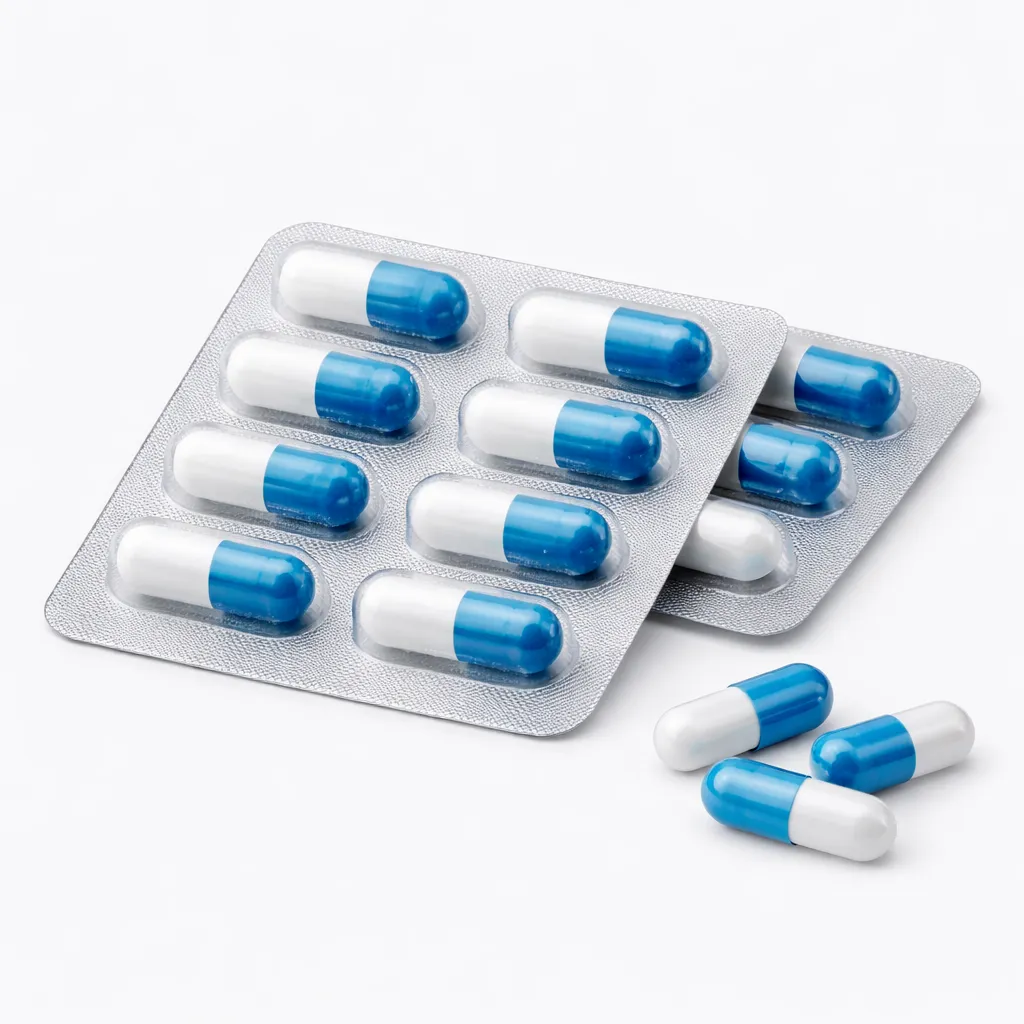
The recommended starting dose of REPACE 100 MG is one tablet taken orally once daily. Depending on the patient’s response and tolerability, the dosage may be adjusted by the healthcare provider. It is important for patients to take the medication at the same time each day to maintain consistent blood levels. REPACE can be taken with or without food, but it is advisable to follow the specific instructions given by a healthcare professional.
Interactions
REPACE 100 MG may interact with other medications, which can alter its effectiveness or increase the risk of adverse effects. Notable interactions include diuretics, potassium supplements, and non-steroidal anti-inflammatory drugs (NSAIDs), which may affect renal function and potassium levels. Patients should inform their healthcare provider of all medications, supplements, and over-the-counter products they are taking to avoid potential interactions.
Precautions
Before starting treatment with REPACE 100 MG, patients should undergo a thorough medical evaluation. Special precautions should be taken in patients with a history of cardiovascular disease, renal impairment, or electrolyte imbalances. Regular monitoring of blood pressure, renal function, and electrolyte levels is recommended during treatment. Patients should also be counseled on lifestyle modifications, including dietary changes and physical activity, to enhance the effectiveness of the medication.
Clinical Studies
Clinical studies have demonstrated the efficacy of REPACE 100 MG in reducing blood pressure and improving outcomes in patients with heart failure. In randomized controlled trials, patients receiving REPACE showed significant reductions in systolic and diastolic blood pressure compared to placebo groups. Additionally, studies have indicated improvements in exercise tolerance and quality of life measures among patients with heart failure. Long-term follow-up has suggested that REPACE may also reduce the risk of cardiovascular events in high-risk populations.
Conclusion
REPACE 100 MG is a valuable therapeutic option for patients managing hypertension and heart failure. Its effective mechanism of action, favorable pharmacological properties, and well-documented clinical efficacy make it an important component of cardiovascular disease management. Patients should be well-informed about the potential side effects and interactions associated with this medication, and regular monitoring is essential to ensure optimal therapeutic outcomes.
Important
It is crucial to use REPACE 100 MG responsibly and under the guidance of a healthcare professional. Patients should adhere to prescribed dosages and report any side effects or concerns to their doctor. This medication is part of a broader treatment strategy that includes lifestyle changes and regular medical check-ups.