Description
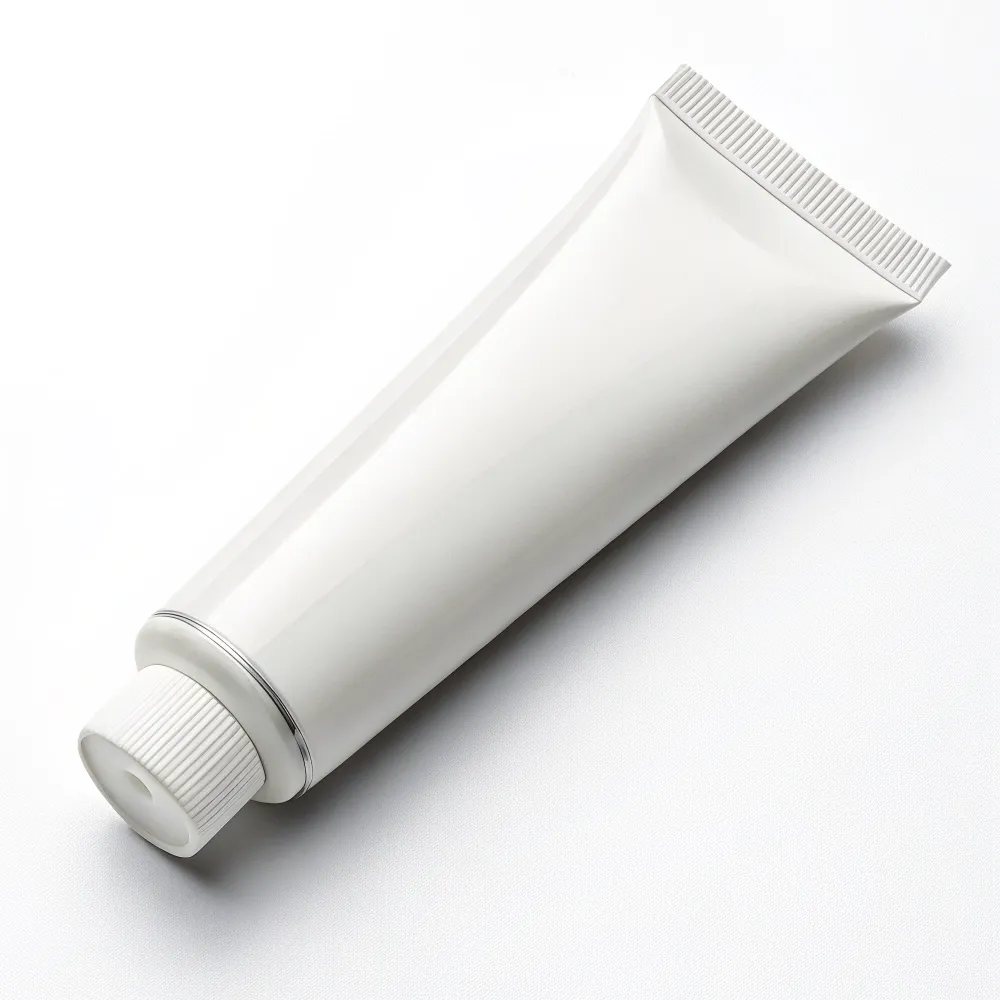
REVIZE CREAM 0.02%
Indications
Revize Cream 0.02% is primarily indicated for the treatment of various dermatological conditions, particularly those characterized by inflammatory processes. It is commonly used in the management of psoriasis, eczema, and other inflammatory skin disorders. The formulation is designed to alleviate symptoms such as redness, itching, and scaling associated with these conditions. Additionally, Revize Cream may be used as part of a comprehensive treatment plan for patients with chronic skin conditions, providing symptomatic relief and improving skin appearance.
Mechanism of Action
The active ingredient in Revize Cream is a corticosteroid, which works by modulating the immune response and reducing inflammation in affected tissues. Corticosteroids exert their effects by binding to specific receptors in the cytoplasm of target cells, leading to the transcription of anti-inflammatory proteins and the suppression of pro-inflammatory mediators. This action results in decreased vasodilation, reduced migration of leukocytes to the site of inflammation, and inhibition of the release of inflammatory cytokines. Consequently, the application of Revize Cream helps to alleviate the symptoms associated with inflammatory skin conditions.
Pharmacological Properties
Revize Cream 0.02% possesses several pharmacological properties that contribute to its effectiveness in treating skin disorders. The cream is formulated for topical application, allowing for localized treatment with minimal systemic absorption. This property reduces the risk of systemic side effects commonly associated with oral corticosteroids. The cream’s emollient base aids in skin hydration, enhancing the overall therapeutic effect. Additionally, Revize Cream has a rapid onset of action, providing quick relief from symptoms such as itching and inflammation.
Contraindications
Revize Cream should not be used in individuals with a known hypersensitivity to any of its components. It is also contraindicated in patients with viral infections (such as herpes simplex), fungal infections, or bacterial infections of the skin unless these conditions are being treated concurrently. The use of Revize Cream in the presence of untreated skin infections may exacerbate the condition and lead to complications. Caution is advised in patients with a history of skin atrophy or those who have previously experienced adverse reactions to topical corticosteroids.
Side Effects
While Revize Cream is generally well tolerated, some patients may experience side effects. Common side effects include local irritation, burning, itching, and dryness at the application site. Prolonged use of topical corticosteroids can lead to skin thinning (atrophy), striae, and telangiectasia. Systemic absorption, although minimal, may occur, particularly with extensive use or application to large surface areas, potentially leading to adrenal suppression or other systemic effects. Patients should be advised to report any unusual or severe reactions to their healthcare provider.
Dosage and Administration
Revize Cream 0.02% should be applied to the affected area of the skin once or twice daily, as directed by a healthcare provider. The cream should be gently massaged into the skin until fully absorbed. It is important to use the medication for the prescribed duration to achieve optimal results. Patients should avoid occlusive dressings unless instructed by a healthcare professional, as this may increase absorption and the risk of side effects. If symptoms do not improve within a specified period, or if they worsen, patients should consult their healthcare provider for further evaluation.
Interactions
Revize Cream is primarily intended for topical use, and systemic interactions are minimal. However, caution should be exercised when using other topical medications on the same area of skin, as they may affect the absorption and efficacy of Revize Cream. Additionally, patients should inform their healthcare provider of all medications they are taking, including over-the-counter products and supplements, to avoid potential interactions. It is particularly important to monitor for interactions with other corticosteroids or immunosuppressive agents.
Precautions
Patients using Revize Cream should be monitored for signs of skin atrophy, especially with prolonged use. It is advisable to limit the use of topical corticosteroids to the lowest effective dose for the shortest duration necessary to control symptoms. Special precautions should be taken in pediatric patients, as they may be more susceptible to systemic effects due to a larger skin surface area-to-body weight ratio. Pregnant or breastfeeding women should consult their healthcare provider before using Revize Cream to ensure safety for both mother and child.
Clinical Studies
Clinical studies have demonstrated the efficacy of Revize Cream in reducing the symptoms of inflammatory skin conditions. In a randomized controlled trial, patients with moderate to severe eczema showed significant improvement in the severity of their condition after 4 weeks of treatment with Revize Cream compared to a placebo group. Another study indicated that patients with psoriasis experienced a marked reduction in plaque thickness and erythema after using Revize Cream for 6 weeks. These studies support the use of Revize Cream as an effective therapeutic option for managing inflammatory skin disorders.
Conclusion
Revize Cream 0.02% is a valuable therapeutic option for patients suffering from various inflammatory skin conditions. Its corticosteroid formulation provides effective relief from symptoms such as redness, itching, and scaling, while its localized application minimizes systemic side effects. Proper usage, adherence to prescribed dosages, and monitoring for potential side effects are essential for maximizing the benefits of this medication. Patients should engage in open communication with their healthcare providers to ensure optimal treatment outcomes.
Important
It is essential to use Revize Cream 0.02% responsibly and as directed by a healthcare professional. Misuse or overuse of topical corticosteroids can lead to adverse effects. Always consult your healthcare provider for personalized advice and treatment plans.