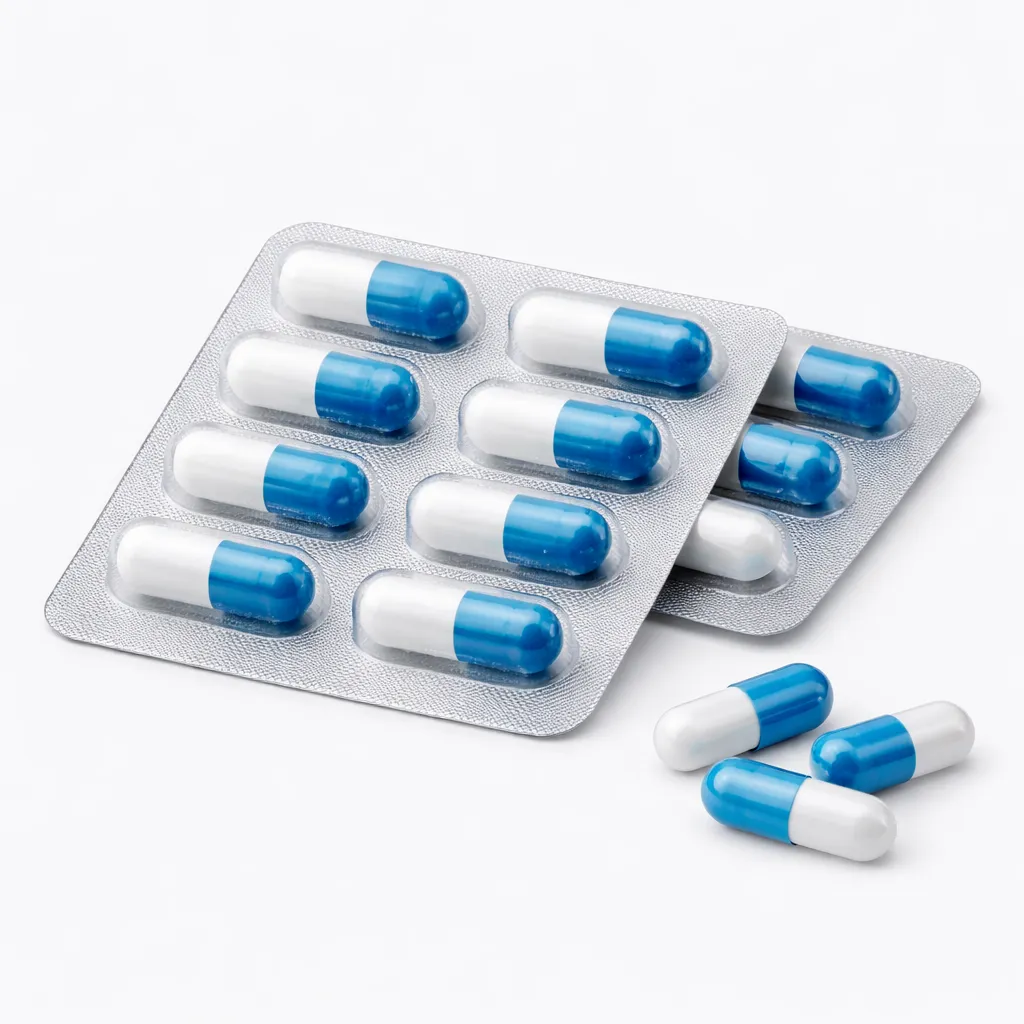
Description
REXIGO 120 MG
Indications
REXIGO 120 MG is primarily indicated for the management of type 2 diabetes mellitus in adults. It is prescribed as an adjunct to diet and exercise to improve glycemic control. REXIGO may be utilized in patients who have not achieved adequate glycemic control with diet and exercise alone or in combination with other antidiabetic medications. Additionally, it may be indicated for weight management in overweight or obese patients with type 2 diabetes, as it has been shown to promote weight loss in clinical studies.
Mechanism of Action
REXIGO contains the active ingredient, which is a selective inhibitor of the sodium-glucose co-transporter 2 (SGLT2). This mechanism of action involves the inhibition of glucose reabsorption in the proximal renal tubules, leading to increased urinary glucose excretion. By reducing the reabsorption of glucose, REXIGO helps to lower blood glucose levels. Furthermore, the diuretic effect associated with increased glucose excretion may contribute to weight loss and improvements in cardiovascular outcomes.
Pharmacological Properties
The pharmacokinetics of REXIGO reveal that it is rapidly absorbed following oral administration, with peak plasma concentrations typically occurring within 1 to 2 hours. The bioavailability is approximately 78%, and it is primarily eliminated via the kidneys. The half-life of REXIGO is about 12 hours, allowing for once-daily dosing. It is important to note that the pharmacological effects of REXIGO are not dependent on insulin secretion, making it suitable for patients with varying degrees of insulin resistance.
Contraindications
REXIGO is contraindicated in patients with a known hypersensitivity to the active ingredient or any of its excipients. It should not be used in patients with severe renal impairment (eGFR < 30 mL/min), as the efficacy and safety of the medication have not been established in this population. Additionally, REXIGO is contraindicated in patients with a history of serious urinary tract infections or those with a history of diabetic ketoacidosis.
Side Effects
The use of REXIGO may be associated with several side effects. Common adverse reactions include urinary tract infections, genital mycotic infections, increased urination, and dehydration. Other potential side effects may include dizziness, hypotension, and gastrointestinal disturbances such as nausea and diarrhea. Serious side effects, although rare, may include acute kidney injury and hypersensitivity reactions. Patients should be monitored for these adverse effects, particularly during the initial stages of treatment.
Dosage and Administration
The recommended starting dose of REXIGO is 120 mg once daily, taken orally, preferably in the morning before the first meal. The dosage may be adjusted based on individual patient response and tolerability. It is important for patients to adhere to the prescribed dosage and not to exceed the maximum recommended dose without consulting their healthcare provider. REXIGO can be taken with or without food, and patients should be advised to maintain adequate hydration while on this medication.
Interactions
REXIGO may interact with several medications, which could alter its efficacy or increase the risk of adverse effects. Co-administration with diuretics may enhance the risk of dehydration and hypotension. Additionally, medications that affect renal function, such as non-steroidal anti-inflammatory drugs (NSAIDs) and certain antihypertensives, may impact the clearance of REXIGO. It is essential for healthcare providers to review a patient’s complete medication list to identify potential interactions prior to initiating therapy with REXIGO.
Precautions
Prior to initiating treatment with REXIGO, it is crucial to assess renal function, as the drug is contraindicated in patients with significant renal impairment. Patients with a history of urinary tract infections should be monitored closely, as the risk of these infections may increase with REXIGO therapy. Caution should also be exercised in patients with a history of hypotension or dehydration. Regular monitoring of blood glucose levels and renal function is recommended to ensure the safe and effective use of REXIGO.
Clinical Studies
Clinical studies have demonstrated the efficacy of REXIGO in improving glycemic control in patients with type 2 diabetes. In randomized controlled trials, REXIGO has been shown to significantly reduce HbA1c levels compared to placebo. Furthermore, studies have indicated that REXIGO can lead to weight loss and improvements in cardiovascular risk factors, including blood pressure and lipid profiles. Long-term studies have also suggested that REXIGO may reduce the risk of major adverse cardiovascular events in patients with type 2 diabetes.
Conclusion
REXIGO 120 MG is an effective option for the management of type 2 diabetes mellitus, particularly in patients who require additional glycemic control beyond lifestyle modifications. Its unique mechanism of action, combined with its potential benefits for weight management and cardiovascular health, makes it a valuable addition to the therapeutic arsenal for diabetes care. However, careful consideration of contraindications, potential side effects, and drug interactions is essential for optimizing patient outcomes.
Important
It is vital to use REXIGO responsibly and under the guidance of a healthcare professional. Patients should be informed about the importance of adhering to prescribed dosages and maintaining regular follow-up appointments to monitor their condition and treatment response.