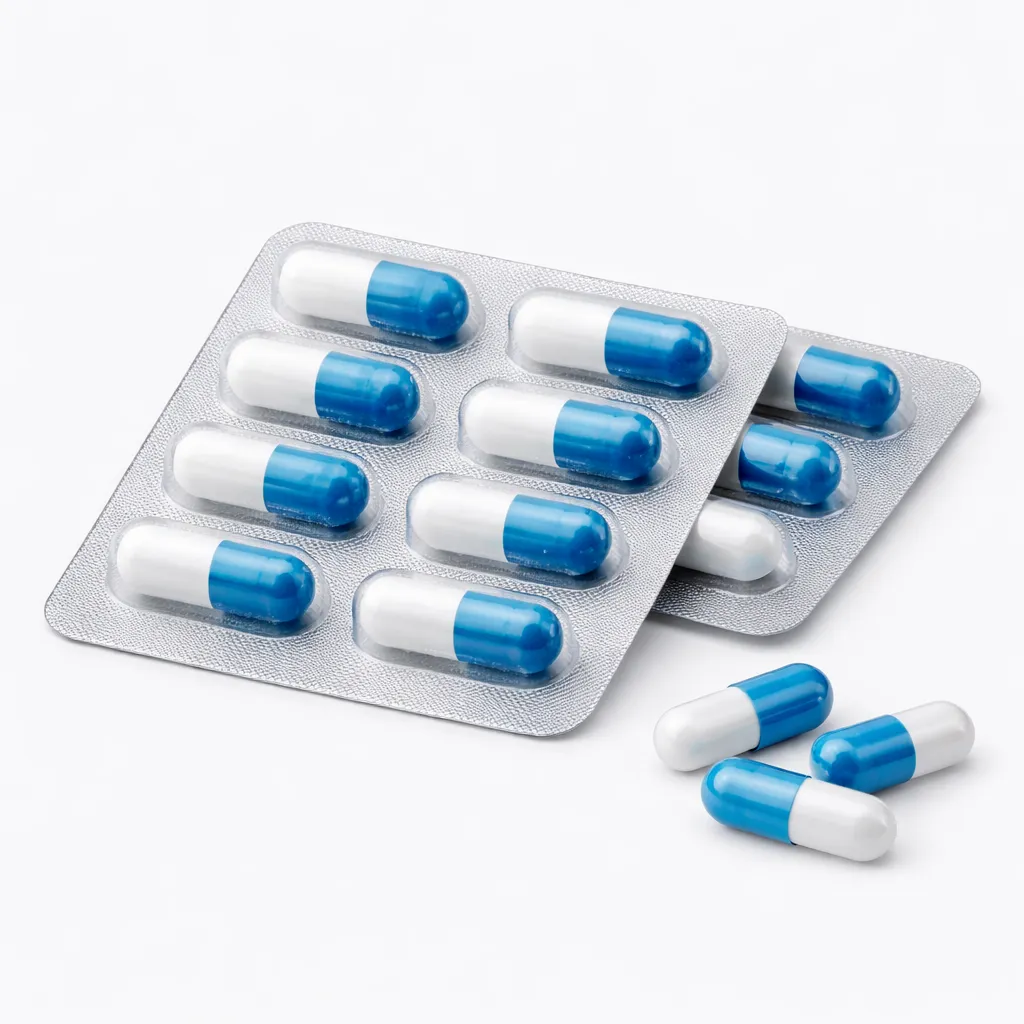
Description
RISDONE 1 MG
Indications
RISDONE 1 MG, containing the active ingredient risperidone, is primarily indicated for the treatment of schizophrenia in adults and adolescents aged 13 to 17 years. It is also approved for the treatment of bipolar disorder, specifically for the management of manic or mixed episodes. Additionally, RISDONE is indicated for the treatment of irritability associated with autistic disorder in children and adolescents aged 5 to 16 years. The medication may be used as part of a comprehensive treatment plan that includes psychological, educational, and social interventions.
Mechanism of Action
Risperidone, the active component of RISDONE, is classified as an atypical antipsychotic. Its mechanism of action is not completely understood; however, it is thought to involve the antagonism of dopamine D2 receptors and serotonin 5-HT2A receptors in the central nervous system. By blocking these receptors, risperidone helps to restore the balance of neurotransmitters in the brain, which can alleviate symptoms of psychosis, mood disorders, and irritability associated with autism. This dual action on both dopamine and serotonin pathways is believed to contribute to its efficacy in treating various psychiatric conditions.
Pharmacological Properties
RISDONE is characterized by its pharmacokinetic properties, which include rapid absorption and a half-life of approximately 20 hours. Peak plasma concentrations are typically reached within 1 to 2 hours after oral administration. Risperidone is extensively metabolized in the liver, primarily by the cytochrome P450 enzyme system, particularly CYP2D6 and CYP3A4. The drug is excreted mainly in the urine, with a small fraction eliminated in the feces. RISDONE’s pharmacological profile allows for once-daily dosing in many patients, enhancing adherence to treatment regimens.
Contraindications
RISDONE is contraindicated in patients with a known hypersensitivity to risperidone or any of its excipients. It should not be used in individuals with a history of severe central nervous system depression, such as coma or severe sedation, as well as in patients with dementia-related psychosis, due to an increased risk of mortality associated with antipsychotic medications in this population. Caution is advised in patients with a history of cardiovascular disease, seizures, or renal impairment.
Side Effects
Common side effects of RISDONE include sedation, weight gain, and extrapyramidal symptoms such as tremors, rigidity, and akathisia. Other potential adverse effects may include metabolic changes, such as increased blood glucose and cholesterol levels, as well as hormonal changes leading to galactorrhea and menstrual irregularities. Rare but serious side effects include neuroleptic malignant syndrome, tardive dyskinesia, and agranulocytosis. Patients should be monitored regularly for these side effects, and any concerning symptoms should be reported to a healthcare provider promptly.
Dosage and Administration
The recommended starting dose of RISDONE for adults with schizophrenia is typically 1 mg once daily, which may be adjusted based on clinical response and tolerability. The maximum recommended dose is 6 mg per day. For adolescents aged 13 to 17 years, the starting dose is also 1 mg daily, with a maximum dose of 4 mg per day. In the case of bipolar disorder, the starting dose may vary, and titration should be based on individual response. For children with irritability associated with autism, the initial dose is usually 0.5 mg daily, with gradual increases as needed. It is important for patients to follow their healthcare provider’s instructions regarding dosage and administration.
Interactions
RISDONE may interact with other medications, particularly those that affect the cytochrome P450 enzyme system. Co-administration with strong CYP2D6 inhibitors (e.g., fluoxetine, paroxetine) may increase risperidone plasma concentrations, necessitating dose adjustments. Similarly, strong CYP3A4 inhibitors (e.g., ketoconazole) can also elevate levels of risperidone. Conversely, drugs that induce CYP3A4 (e.g., carbamazepine) may decrease the efficacy of RISDONE by lowering its plasma concentration. Patients should inform their healthcare provider about all medications they are taking to avoid potential interactions.
Precautions
Before initiating treatment with RISDONE, a thorough medical history should be obtained, and a physical examination should be conducted. Special caution is warranted in patients with a history of cardiovascular disease, diabetes, or those at risk for metabolic syndrome. Elderly patients, particularly those with dementia-related psychosis, should be monitored closely due to an increased risk of adverse effects. Patients should also be advised to avoid alcohol and other central nervous system depressants while taking RISDONE, as these substances may exacerbate sedation and other side effects.
Clinical Studies
Clinical trials have demonstrated the efficacy of RISDONE in treating schizophrenia and bipolar disorder. In a randomized, double-blind study involving patients with schizophrenia, risperidone was found to significantly reduce the Positive and Negative Syndrome Scale (PANSS) scores compared to placebo. Similarly, studies evaluating the use of RISDONE in bipolar disorder have shown improvements in manic symptoms, with a favorable safety profile. Research on the use of risperidone for irritability associated with autism has also reported positive outcomes, highlighting its role in managing behavioral symptoms in pediatric populations.
Conclusion
RISDONE 1 MG is an effective treatment option for individuals suffering from schizophrenia, bipolar disorder, and irritability associated with autism. Its unique mechanism of action, combined with its pharmacological properties, makes it a valuable tool in psychiatric management. However, careful consideration of contraindications, potential side effects, and drug interactions is essential for ensuring patient safety and optimizing therapeutic outcomes. Ongoing monitoring and communication between patients and healthcare providers are crucial for the successful management of treatment with RISDONE.
Important
It is essential to use RISDONE responsibly and under the supervision of a qualified healthcare professional. Patients should adhere to prescribed dosages and report any unusual symptoms or side effects to their healthcare provider. This medication is intended for specific medical conditions and should not be used for non-medical purposes.