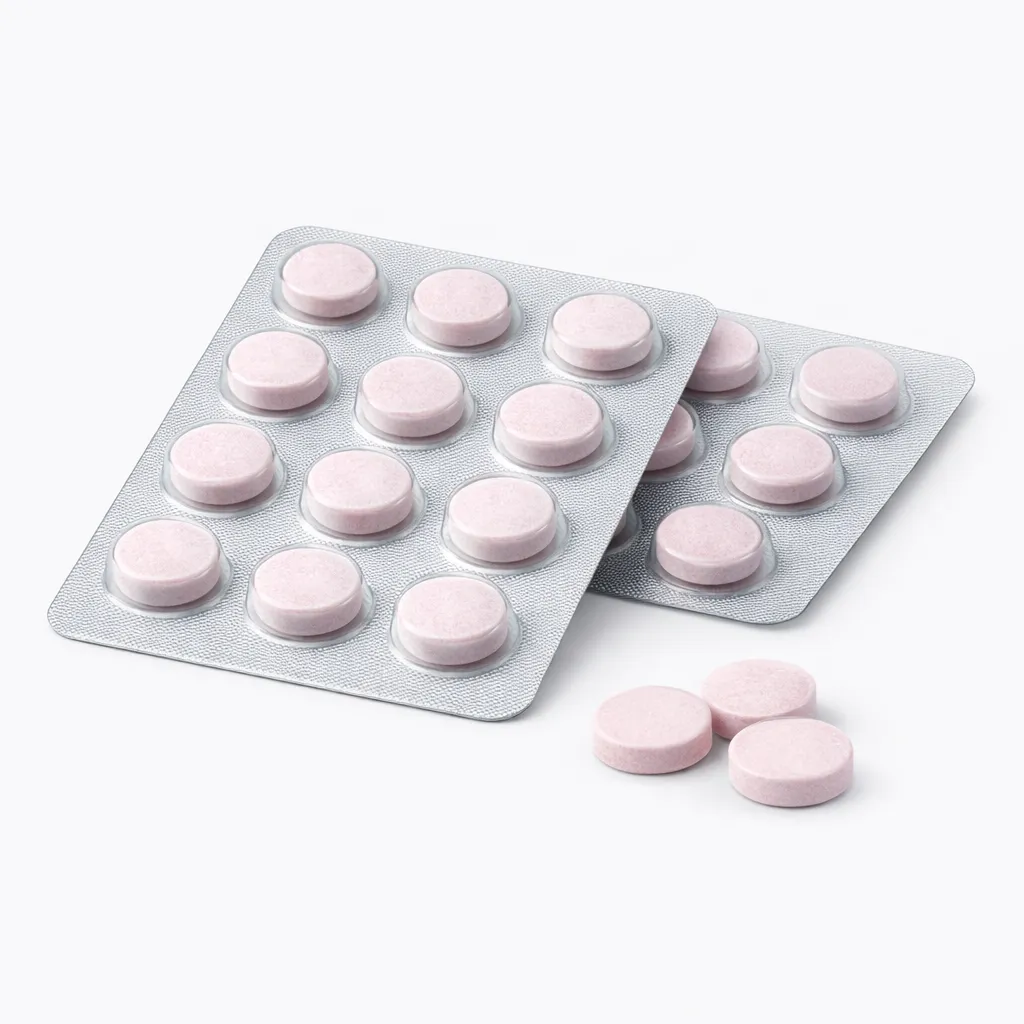
Description
ROPARK 1 MG
Indications
ROPARK 1 MG is primarily indicated for the treatment of Parkinson’s disease and Parkinsonism. It is often prescribed to manage symptoms such as tremors, rigidity, and bradykinesia. The medication may be used as monotherapy or in conjunction with other anti-Parkinsonian drugs to enhance therapeutic efficacy and improve the quality of life for patients suffering from these neurological conditions.
Mechanism of Action
ROPARK 1 MG contains the active ingredient ropinirole, which is a dopamine agonist. It works by stimulating dopamine receptors in the brain, particularly the D2 receptor subtype. This mimics the action of dopamine, a neurotransmitter that is deficient in patients with Parkinson’s disease. By activating these receptors, ROPARK helps to alleviate the motor symptoms associated with the disease, improving motor function and reducing the severity of symptoms.
Pharmacological Properties
ROPARK 1 MG is well-absorbed following oral administration, with peak plasma concentrations typically occurring within 1 to 2 hours. The bioavailability of ropinirole is approximately 50%, and it is extensively metabolized in the liver via the cytochrome P450 system, primarily by CYP1A2. The elimination half-life of ropinirole is approximately 6 hours, allowing for once-daily dosing in many patients. The drug is excreted mainly through urine and feces, with less than 10% of the dose being eliminated unchanged.
Contraindications
ROPARK 1 MG is contraindicated in patients with a known hypersensitivity to ropinirole or any of the excipients in the formulation. It is also not recommended for use in patients with severe renal impairment or those with severe hepatic impairment due to the increased risk of adverse effects and altered pharmacokinetics. Additionally, caution should be exercised in patients with a history of psychotic disorders or impulse control disorders.
Side Effects
Common side effects associated with ROPARK 1 MG include nausea, dizziness, somnolence, and fatigue. Other less common but serious side effects may include orthostatic hypotension, hallucinations, and compulsive behaviors such as gambling or hypersexuality. Patients should be monitored for these side effects, especially during dose adjustments or when initiating treatment. If any severe side effects occur, it is crucial to contact a healthcare provider immediately.
Dosage and Administration
The recommended starting dose of ROPARK 1 MG is usually 0.25 mg taken three times daily. The dose may be gradually increased based on the patient’s response and tolerability, with a typical maximum dose of 24 mg per day. It is important for patients to follow their healthcare provider’s instructions regarding dosage and administration to achieve optimal therapeutic outcomes while minimizing side effects. ROPARK can be taken with or without food, but consistent timing with meals is recommended to maintain stable drug levels in the body.
Interactions
ROPARK 1 MG may interact with other medications, which can affect its efficacy or increase the risk of adverse effects. Co-administration with other dopamine agonists or antipsychotic medications may potentiate the risk of side effects. Additionally, drugs that inhibit CYP1A2, such as fluvoxamine or ciprofloxacin, can increase ropinirole levels, necessitating dose adjustments. Patients should inform their healthcare providers of all medications, including over-the-counter drugs and supplements, to avoid potential interactions.
Precautions
Before initiating treatment with ROPARK 1 MG, it is essential to conduct a thorough medical history and physical examination. Special precautions should be taken in elderly patients, as they may be more susceptible to side effects. Patients with a history of cardiovascular disease should also be monitored closely due to the risk of orthostatic hypotension. Furthermore, patients should be advised to avoid activities that require mental alertness, such as driving or operating heavy machinery, until they know how the medication affects them.
Clinical Studies
Clinical studies have demonstrated the efficacy of ROPARK 1 MG in reducing the symptoms of Parkinson’s disease. In randomized controlled trials, patients treated with ropinirole showed significant improvements in the Unified Parkinson’s Disease Rating Scale (UPDRS) scores compared to placebo. Long-term studies have also indicated that ROPARK can help delay the need for levodopa therapy, thus providing a beneficial option for early-stage Parkinson’s disease patients. The safety profile of ROPARK has been established through extensive clinical trials, with most adverse effects being manageable and reversible upon dose adjustment or discontinuation.
Conclusion
ROPARK 1 MG is an effective treatment option for patients with Parkinson’s disease and Parkinsonism. Its mechanism of action as a dopamine agonist offers symptomatic relief and improves the quality of life for many individuals. While the medication is generally well-tolerated, it is crucial for patients to be aware of potential side effects and drug interactions. Regular follow-up with healthcare providers will ensure that the treatment regimen remains safe and effective.
Important
Responsible use of ROPARK 1 MG is essential for achieving optimal therapeutic outcomes. Patients should adhere to prescribed dosages and consult their healthcare provider regarding any concerns or side effects experienced during treatment.