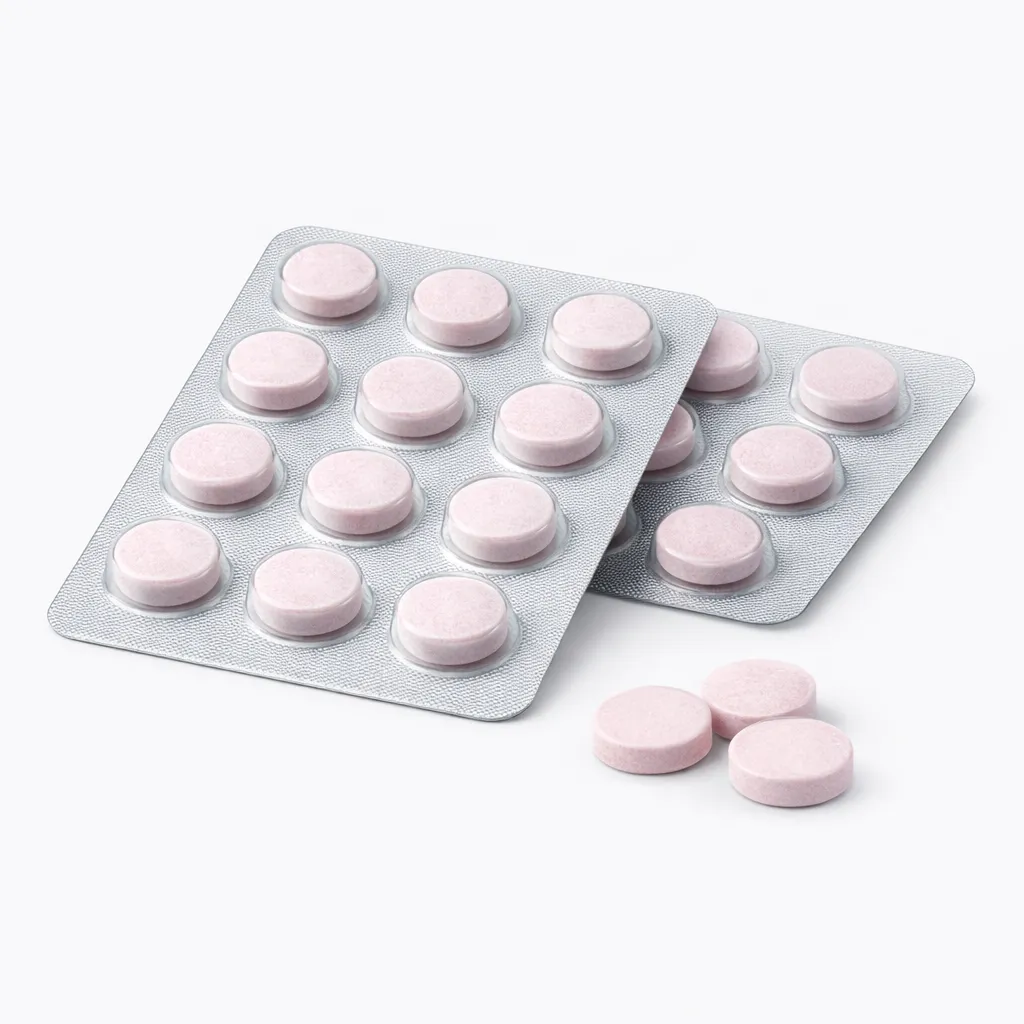
Description
ROPARK 2 MG
Indications
ROPARK 2 MG is primarily indicated for the treatment of Parkinson’s disease. It is used to manage the symptoms associated with this neurodegenerative disorder, including tremors, stiffness, and difficulty with movement. ROPARK is often prescribed as an adjunct therapy to enhance the effects of other Parkinson’s medications, particularly in patients experiencing motor fluctuations or “off” episodes.
Mechanism of Action
ROPARK contains the active ingredient ropinirole, which is a selective agonist of the dopamine D2 and D3 receptors. By stimulating these receptors in the brain, ROPARK helps to restore the balance of dopamine, a neurotransmitter that is deficient in patients with Parkinson’s disease. This action alleviates the motor symptoms associated with the condition, improving the patient’s quality of life and motor function.
Pharmacological Properties
ROPARK is characterized by its pharmacokinetic properties, which include rapid absorption following oral administration. Peak plasma concentrations are typically reached within 1 to 2 hours. The drug exhibits a half-life of approximately 6 hours, allowing for once or twice daily dosing depending on the prescribed regimen. ROPARK is primarily metabolized by the liver via the cytochrome P450 system, particularly CYP1A2, and is excreted mainly through urine. The pharmacodynamics of ropinirole involve its agonistic action on dopamine receptors, leading to enhanced dopaminergic activity in the central nervous system.
Contraindications
ROPARK is contraindicated in patients with a known hypersensitivity to ropinirole or any of the excipients in the formulation. It should also be avoided in individuals with severe renal impairment or those who are concurrently using certain medications that are potent inhibitors of CYP1A2, as this may lead to increased plasma levels of ropinirole and heightened risk of adverse effects.
Side Effects
Common side effects associated with ROPARK include nausea, dizziness, somnolence, and fatigue. Some patients may experience orthostatic hypotension, which can lead to falls, particularly in older adults. Other less common but serious side effects may include hallucinations, confusion, and impulse control disorders. It is essential for patients to report any unusual changes in behavior or mood to their healthcare provider promptly.
Dosage and Administration
The recommended starting dose of ROPARK is typically 0.25 mg taken three times daily. Depending on the patient’s response and tolerability, the dosage may be gradually increased. The maximum recommended dose can reach up to 24 mg per day, divided into multiple doses. It is crucial for patients to follow their healthcare provider’s instructions regarding dosage adjustments and to take the medication consistently with or without food to maintain stable drug levels in the body.
Interactions
ROPARK may interact with various medications, which can affect its efficacy and safety. Notably, the use of strong CYP1A2 inhibitors, such as fluvoxamine or ciprofloxacin, can increase the plasma concentration of ropinirole, necessitating dose adjustments. Conversely, medications that induce CYP1A2, such as smoking or certain antiepileptic drugs, may decrease the effectiveness of ROPARK. Patients should inform their healthcare providers about all medications they are taking, including over-the-counter drugs and supplements, to avoid potential interactions.
Precautions
Patients should be monitored closely for the emergence of side effects, particularly during the initial treatment phase or when adjusting dosages. Caution is advised when prescribing ROPARK to individuals with a history of psychotic disorders, as it may exacerbate these conditions. Additionally, patients with cardiovascular issues should be evaluated for the risk of orthostatic hypotension. It is also recommended that patients refrain from driving or operating heavy machinery until they know how ROPARK affects them, as drowsiness and dizziness may impair their ability to perform these activities safely.
Clinical Studies
Clinical studies have demonstrated the efficacy of ROPARK in improving motor symptoms in patients with Parkinson’s disease. In a randomized controlled trial, patients receiving ropinirole showed significant improvement in the Unified Parkinson’s Disease Rating Scale (UPDRS) scores compared to those receiving a placebo. Furthermore, long-term studies have indicated that ROPARK can effectively reduce “off” time and improve “on” time without troublesome dyskinesia in patients already stabilized on levodopa therapy. These findings underscore the role of ROPARK as a valuable therapeutic option in the management of Parkinson’s disease.
Conclusion
ROPARK 2 MG serves as an essential treatment option for individuals living with Parkinson’s disease, providing symptomatic relief and enhancing overall motor function. Its mechanism of action as a dopamine agonist allows it to play a critical role in managing the condition, particularly in patients experiencing motor fluctuations. However, careful consideration of contraindications, potential side effects, and drug interactions is necessary to ensure safe and effective use. Ongoing monitoring and communication between patients and healthcare providers are vital to optimize treatment outcomes and maintain quality of life.
Important
It is crucial to use ROPARK 2 MG responsibly and under the guidance of a healthcare professional. Patients should adhere to prescribed dosages and report any side effects or concerns to their doctor promptly. This medication is intended to improve health outcomes and should be used as part of a comprehensive treatment plan for Parkinson’s disease.