
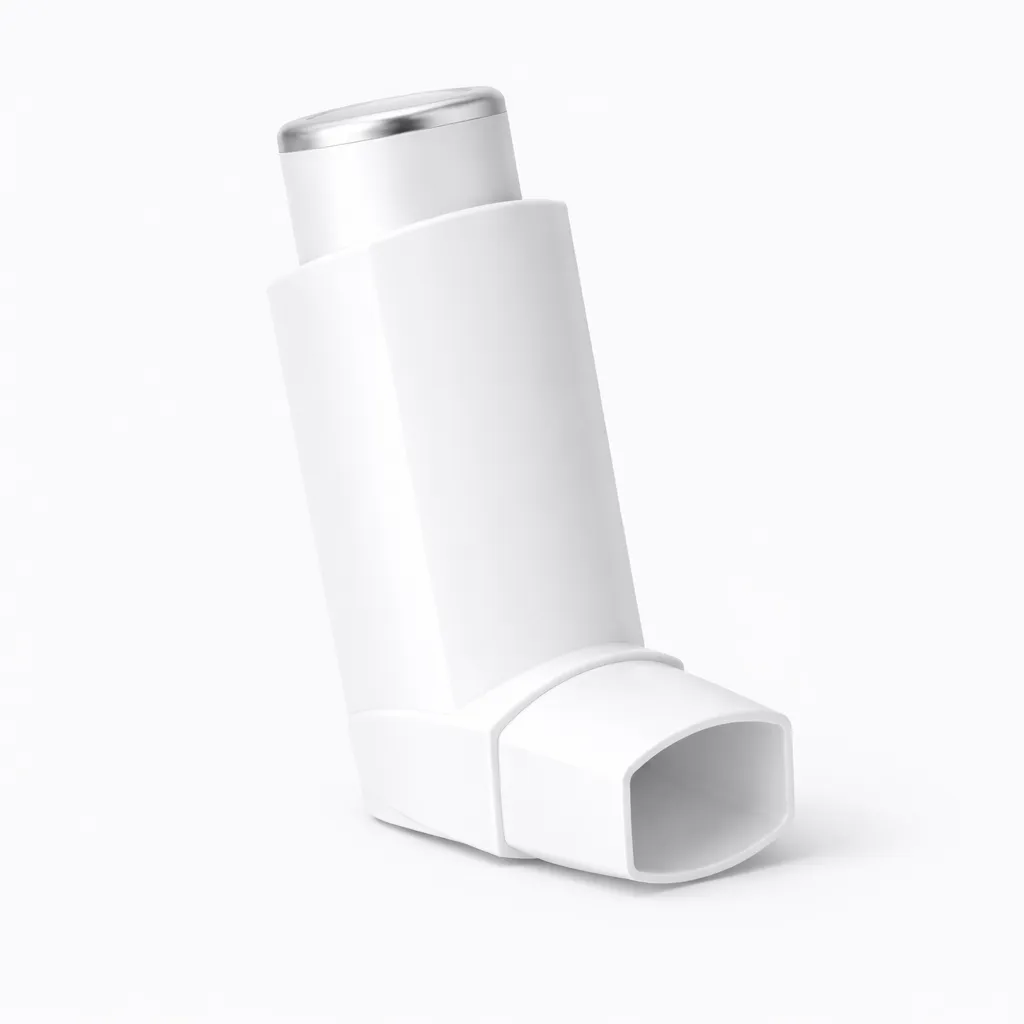
Description
SERETIDE ACCUHALER 50/250 MCG
Indications
SERETIDE ACCUHALER 50/250 MCG is indicated for the regular treatment of asthma in patients aged 4 years and older, where the use of a combination of a long-acting beta-agonist (LABA) and an inhaled corticosteroid (ICS) is appropriate. It is also indicated for the treatment of chronic obstructive pulmonary disease (COPD) in adults. This combination therapy helps to improve lung function, reduce symptoms, and decrease the frequency of exacerbations associated with these respiratory conditions.
Mechanism of Action
SERETIDE ACCUHALER contains two active ingredients: salmeterol and fluticasone propionate. Salmeterol is a long-acting beta-2 adrenergic agonist that works by stimulating beta-2 receptors in the bronchial smooth muscle, leading to bronchodilation and improved airflow. Fluticasone propionate is an inhaled corticosteroid that exerts anti-inflammatory effects by inhibiting the release of inflammatory mediators and reducing airway hyperresponsiveness. Together, these components provide both immediate relief of bronchoconstriction and long-term control of airway inflammation.
Pharmacological Properties
The pharmacokinetics of SERETIDE ACCUHALER indicate that salmeterol has a prolonged duration of action, allowing for twice-daily dosing. It achieves peak plasma concentrations approximately 5 to 10 minutes after inhalation, with therapeutic effects lasting up to 12 hours. Fluticasone propionate is rapidly absorbed and has a high affinity for the glucocorticoid receptor, leading to potent anti-inflammatory effects. The systemic bioavailability of fluticasone is low due to extensive first-pass metabolism, which minimizes the risk of systemic side effects.
Contraindications
SERETIDE ACCUHALER is contraindicated in patients with a known hypersensitivity to salmeterol, fluticasone propionate, or any of the excipients in the formulation. It should not be used as a rescue medication for acute asthma attacks or in patients with severe asthma exacerbations requiring immediate medical intervention. Additionally, caution is advised in patients with a history of cardiovascular disorders, seizures, or hyperthyroidism.
Side Effects
Common side effects associated with the use of SERETIDE ACCUHALER include headache, throat irritation, hoarseness, and oral candidiasis. Serious side effects may include cardiovascular events such as tachycardia, palpitations, and hypertension, particularly in patients with pre-existing heart conditions. Other potential adverse effects include adrenal suppression, osteoporosis, and growth retardation in pediatric patients. Patients should be monitored for any unusual symptoms and report them to their healthcare provider.
Dosage and Administration
The recommended dosage of SERETIDE ACCUHALER 50/250 MCG for adults and adolescents aged 12 years and older is two inhalations twice daily, preferably in the morning and evening. For children aged 4 to 11 years, the recommended dosage is one inhalation twice daily. It is important to instruct patients on the proper technique for using the Accuhaler device to ensure optimal drug delivery. Patients should not exceed the prescribed dosage, and any missed doses should be taken as soon as remembered unless it is close to the time of the next dose.
Interactions
Patients taking SERETIDE ACCUHALER should be aware of potential drug interactions. Concomitant use of other sympathomimetic agents may enhance the effects of salmeterol, leading to increased cardiovascular side effects. Additionally, the use of strong CYP3A4 inhibitors (such as ketoconazole) may increase plasma concentrations of fluticasone, potentially leading to systemic corticosteroid effects. It is essential for patients to inform their healthcare provider of all medications they are taking, including over-the-counter drugs and herbal supplements, to avoid potential interactions.
Precautions
Before initiating treatment with SERETIDE ACCUHALER, a thorough medical history should be obtained, focusing on the patient’s respiratory and cardiovascular status. Patients with a history of asthma-related hospitalizations or life-threatening asthma should be closely monitored. It is also important to assess the patient’s adherence to prescribed therapy and their understanding of the disease management plan. Regular follow-up appointments should be scheduled to evaluate treatment efficacy and adjust the dosage as necessary.
Clinical Studies
Clinical studies have demonstrated the efficacy of SERETIDE ACCUHALER in improving lung function and reducing the frequency of asthma exacerbations. In a randomized, double-blind study, patients receiving SERETIDE ACCUHALER showed a significant improvement in forced expiratory volume in one second (FEV1) compared to those receiving a placebo. Furthermore, patients reported fewer daytime and nighttime symptoms, leading to an improved quality of life. In COPD patients, SERETIDE ACCUHALER has been shown to reduce exacerbations and improve exercise tolerance, highlighting its role in the management of chronic respiratory diseases.
Conclusion
SERETIDE ACCUHALER 50/250 MCG is an effective combination therapy for the management of asthma and COPD. Its dual action of bronchodilation and anti-inflammatory effects makes it a valuable option for patients requiring regular treatment. However, it is crucial for patients to use this medication responsibly and under the guidance of a healthcare professional to ensure optimal outcomes and minimize the risk of adverse effects.
Important
It is essential to use SERETIDE ACCUHALER responsibly and as prescribed by your healthcare provider. Regular follow-up appointments and adherence to the treatment plan are vital for managing your respiratory condition effectively.


