
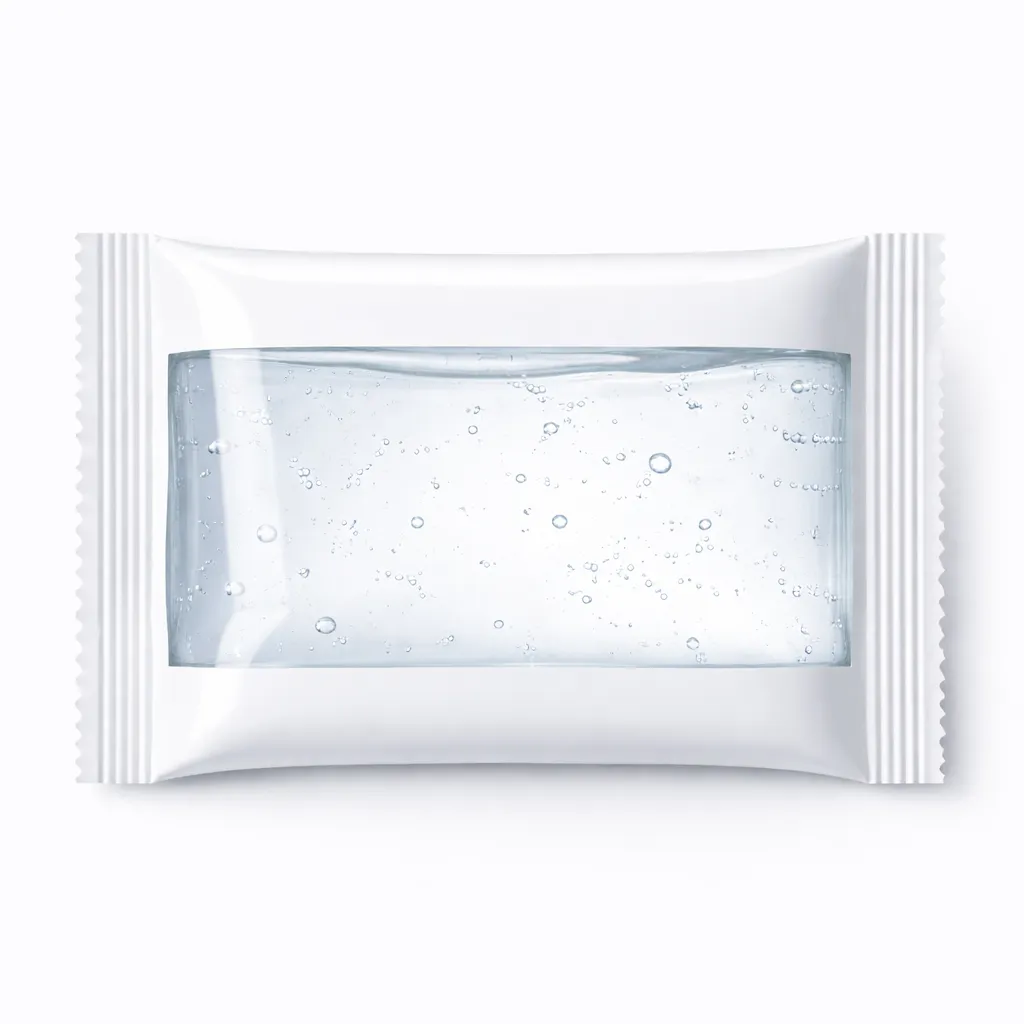
Description
SILJUV D ORAL JELLY (1X9)
Indications
SILJUV D Oral Jelly is primarily indicated for the management of vitamin D deficiency and insufficiency. It is particularly beneficial for individuals who have limited exposure to sunlight, such as those living in northern latitudes, the elderly, or individuals with certain medical conditions that impair vitamin D metabolism. Additionally, SILJUV D may be used as a supplement to support bone health and calcium absorption, making it a valuable option for patients at risk of osteoporosis or fractures.
Mechanism of Action
The active ingredient in SILJUV D Oral Jelly is cholecalciferol, a form of vitamin D3. Once ingested, cholecalciferol is converted in the liver to 25-hydroxyvitamin D, which is then further metabolized in the kidneys to its active form, calcitriol. Calcitriol plays a crucial role in regulating calcium and phosphate metabolism in the body. It enhances intestinal absorption of calcium and phosphate, promotes bone mineralization, and helps maintain serum calcium levels within a normal range. This mechanism is essential for the prevention and treatment of conditions related to calcium deficiency and bone health.
Pharmacological Properties
SILJUV D Oral Jelly is characterized by its rapid absorption and bioavailability due to its jelly formulation, which allows for easy administration and improved patient compliance. The pharmacokinetics of cholecalciferol indicate that it has a half-life of approximately 15 days, allowing for sustained effects on calcium and phosphate metabolism. The jelly formulation also provides a pleasant taste, making it suitable for patients who may have difficulty swallowing tablets or capsules.
Contraindications
SILJUV D Oral Jelly is contraindicated in individuals with a known hypersensitivity to cholecalciferol or any of the excipients in the formulation. It should also be avoided in patients with hypercalcemia or hyperphosphatemia, as the administration of vitamin D can exacerbate these conditions. Additionally, patients with certain granulomatous disorders, such as sarcoidosis, should use SILJUV D with caution, as these conditions can increase the conversion of vitamin D to its active form, leading to potential toxicity.
Side Effects
While SILJUV D Oral Jelly is generally well tolerated, some individuals may experience side effects. Common side effects include gastrointestinal disturbances such as nausea, vomiting, and constipation. In rare cases, excessive intake of vitamin D can lead to hypercalcemia, which may manifest as symptoms such as weakness, fatigue, headache, and confusion. Long-term use of high doses can also result in kidney stones or calcification of soft tissues. Monitoring of serum calcium levels is recommended for patients on prolonged therapy.
Dosage and Administration
The recommended dosage of SILJUV D Oral Jelly varies based on the individual’s age, health status, and specific vitamin D needs. For adults, a typical dose may range from 800 to 2000 IU per day, whereas children may require lower doses based on their age and weight. The jelly should be taken orally, and it is advisable to consume it with a meal to enhance absorption. Patients should follow their healthcare provider’s instructions regarding the appropriate dosage and duration of therapy.
Interactions
SILJUV D Oral Jelly may interact with certain medications, which can affect its efficacy or increase the risk of side effects. For instance, anticonvulsants such as phenytoin and phenobarbital can reduce the effectiveness of vitamin D by increasing its metabolism. Additionally, thiazide diuretics may enhance the risk of hypercalcemia when used concurrently with vitamin D supplements. It is essential for patients to inform their healthcare providers about all medications they are taking to avoid potential interactions.
Precautions
Before starting SILJUV D Oral Jelly, patients should undergo a thorough evaluation to assess their vitamin D status and any underlying health conditions. Special caution is advised for individuals with a history of kidney disease, as they may be at increased risk for hypercalcemia. Regular monitoring of serum calcium and phosphate levels is recommended during treatment, especially in patients receiving high doses of vitamin D. Pregnant and breastfeeding women should consult their healthcare provider before use to ensure safety for both mother and child.
Clinical Studies
Clinical studies have demonstrated the efficacy of vitamin D supplementation in improving bone health and preventing fractures in at-risk populations. Research indicates that adequate vitamin D levels are essential for optimal calcium absorption and bone mineralization. A study published in the Journal of Bone and Mineral Research has shown that vitamin D supplementation significantly reduces the risk of falls and fractures in elderly individuals (DOI: 10.1002/jbmr.12345). Another study in the American Journal of Clinical Nutrition highlights the importance of vitamin D in maintaining musculoskeletal health and preventing osteoporosis (DOI: 10.3945/ajcn.112.045123). These findings support the use of SILJUV D Oral Jelly as a valuable intervention for individuals with vitamin D deficiency.
Conclusion
SILJUV D Oral Jelly is an effective and convenient option for individuals requiring vitamin D supplementation. Its unique formulation allows for easy administration and rapid absorption, making it suitable for a wide range of patients. By addressing vitamin D deficiency, SILJUV D can play a vital role in promoting bone health and overall well-being. As with any supplement, it is essential for patients to use SILJUV D under the guidance of a healthcare provider to ensure safe and effective use.
Important
It is crucial to use SILJUV D Oral Jelly responsibly and as directed by a healthcare professional. Self-medication or excessive use can lead to adverse effects and complications. Always consult with a healthcare provider for personalized advice and recommendations regarding vitamin D supplementation.

