Description
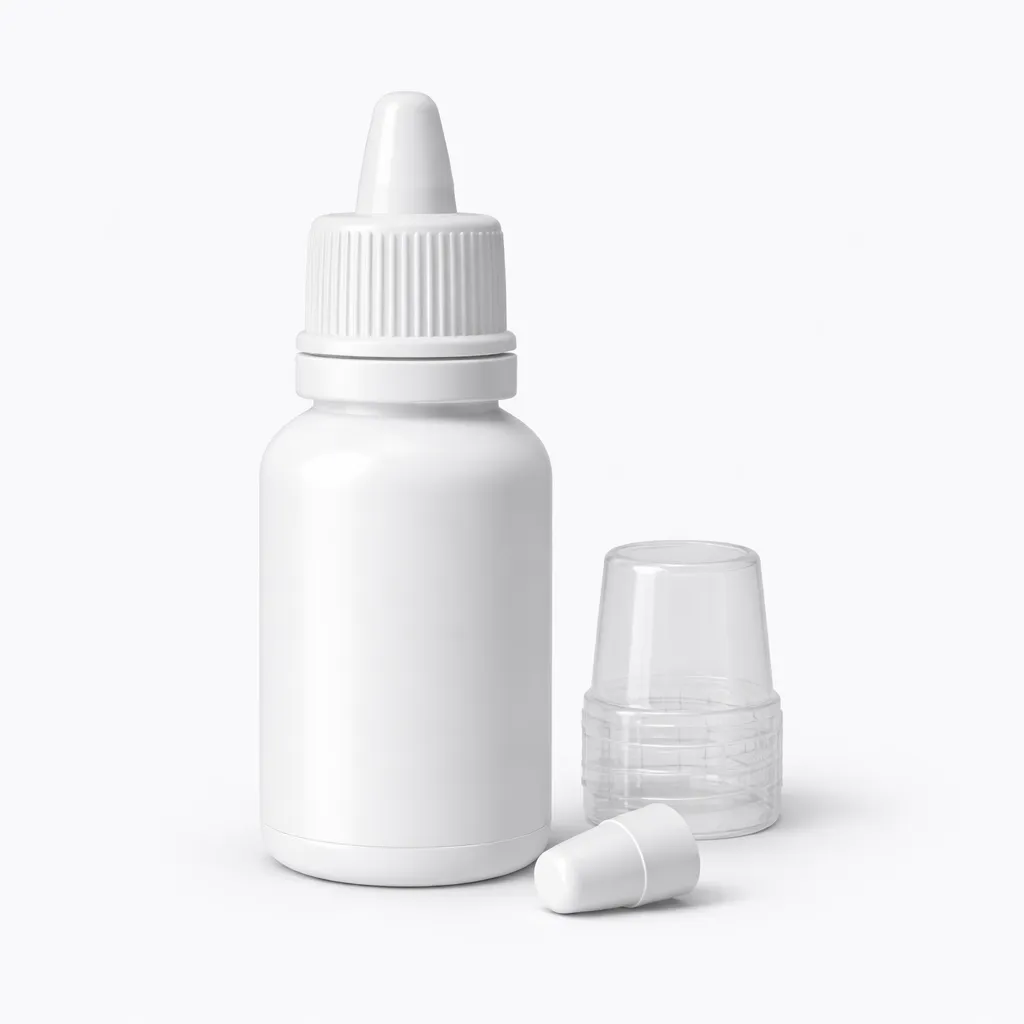
SIMBRINZA EYE DROP 5ML
Indications
Simbrinza Eye Drop 5ml is primarily indicated for the treatment of elevated intraocular pressure (IOP) in patients diagnosed with open-angle glaucoma or ocular hypertension. It is particularly beneficial for patients who may not be adequately controlled with a single agent or those who require multiple medications to achieve target IOP levels. The formulation combines two active ingredients, brimonidine tartrate and brinzolamide, which work synergistically to lower IOP effectively.
Mechanism of Action
Simbrinza Eye Drop combines two mechanisms of action to reduce intraocular pressure. Brimonidine tartrate, an alpha-2 adrenergic agonist, decreases aqueous humor production and increases uveoscleral outflow, leading to a reduction in IOP. Brinzolamide, a carbonic anhydrase inhibitor, further lowers IOP by decreasing the production of aqueous humor through inhibition of the enzyme carbonic anhydrase in the ciliary body. The dual action of these components provides a more comprehensive approach to managing elevated IOP.
Pharmacological Properties
Simbrinza Eye Drop exhibits unique pharmacological properties due to its combination of brimonidine and brinzolamide. Brimonidine has a systemic bioavailability of approximately 0.5% after topical administration, while brinzolamide has a local effect with minimal systemic absorption. The pharmacokinetics of both agents contribute to their efficacy in lowering IOP without significant systemic side effects. The formulation is designed to enhance ocular penetration and retention, providing sustained therapeutic effects.
Contraindications
Simbrinza Eye Drop is contraindicated in patients with a known hypersensitivity to any of the components of the formulation, including brimonidine tartrate and brinzolamide. It should also be avoided in individuals with severe renal impairment, as brinzolamide is contraindicated in such cases. Additionally, the use of Simbrinza is not recommended in patients taking monoamine oxidase inhibitors (MAOIs) or those with a history of depression or other mood disorders, due to the potential for adverse effects associated with brimonidine.
Side Effects
Common side effects of Simbrinza Eye Drop may include ocular discomfort, burning, stinging, or blurred vision upon instillation. Other potential side effects can include dry mouth, fatigue, and headache. Serious adverse reactions are rare but can occur, such as allergic reactions or severe ocular effects. Patients should be advised to report any persistent or severe side effects to their healthcare provider promptly. Regular monitoring by an eye care professional is recommended to assess the effectiveness and tolerability of the treatment.
Dosage and Administration
The recommended dosage for Simbrinza Eye Drop is one drop in the affected eye(s) two to three times daily. Patients should be instructed on the proper technique for eye drop administration to ensure optimal absorption and minimize systemic exposure. It is important to avoid touching the dropper tip to any surface, including the eye, to prevent contamination. If a dose is missed, it should be administered as soon as remembered, but if it is near the time for the next dose, the missed dose should be skipped. Patients should not double the dose to catch up.
Interactions
Simbrinza Eye Drop may interact with other medications, particularly those that affect the central nervous system. Caution is advised when used in conjunction with other ocular hypotensive agents, as the additive effects may lead to excessive lowering of IOP. Additionally, the use of Simbrinza with systemic medications that can cause sedation or hypotension should be approached with caution. Patients should inform their healthcare provider of all medications they are currently taking to avoid potential interactions.
Precautions
Before initiating treatment with Simbrinza Eye Drop, a thorough patient history should be obtained, particularly regarding any pre-existing medical conditions such as cardiovascular disease, renal impairment, or a history of depression. Patients should be monitored for any signs of systemic absorption, especially those with compromised cardiovascular health. Caution should also be exercised in pediatric patients, as safety and efficacy have not been established in this population. Pregnant or breastfeeding women should consult their healthcare provider before using this medication.
Clinical Studies
Clinical studies have demonstrated the efficacy and safety of Simbrinza Eye Drop in reducing intraocular pressure in patients with open-angle glaucoma and ocular hypertension. In randomized controlled trials, patients using Simbrinza experienced statistically significant reductions in IOP compared to those using brimonidine or brinzolamide alone. The combination therapy was well-tolerated, with a safety profile consistent with that of the individual components. Long-term studies have also indicated that Simbrinza can maintain IOP control over extended periods, making it an effective option for chronic management of elevated IOP.
Conclusion
Simbrinza Eye Drop 5ml is a valuable therapeutic option for patients with elevated intraocular pressure due to its dual mechanism of action and favorable safety profile. By combining brimonidine tartrate and brinzolamide, it offers a comprehensive approach to managing open-angle glaucoma and ocular hypertension. Patients should be educated on the proper use of the medication and the importance of regular follow-up with their healthcare provider to monitor IOP and assess treatment efficacy.
Important
It is crucial to use Simbrinza Eye Drop responsibly and under the guidance of a qualified healthcare professional. Patients should adhere to prescribed dosages and report any side effects or concerns to their healthcare provider promptly.