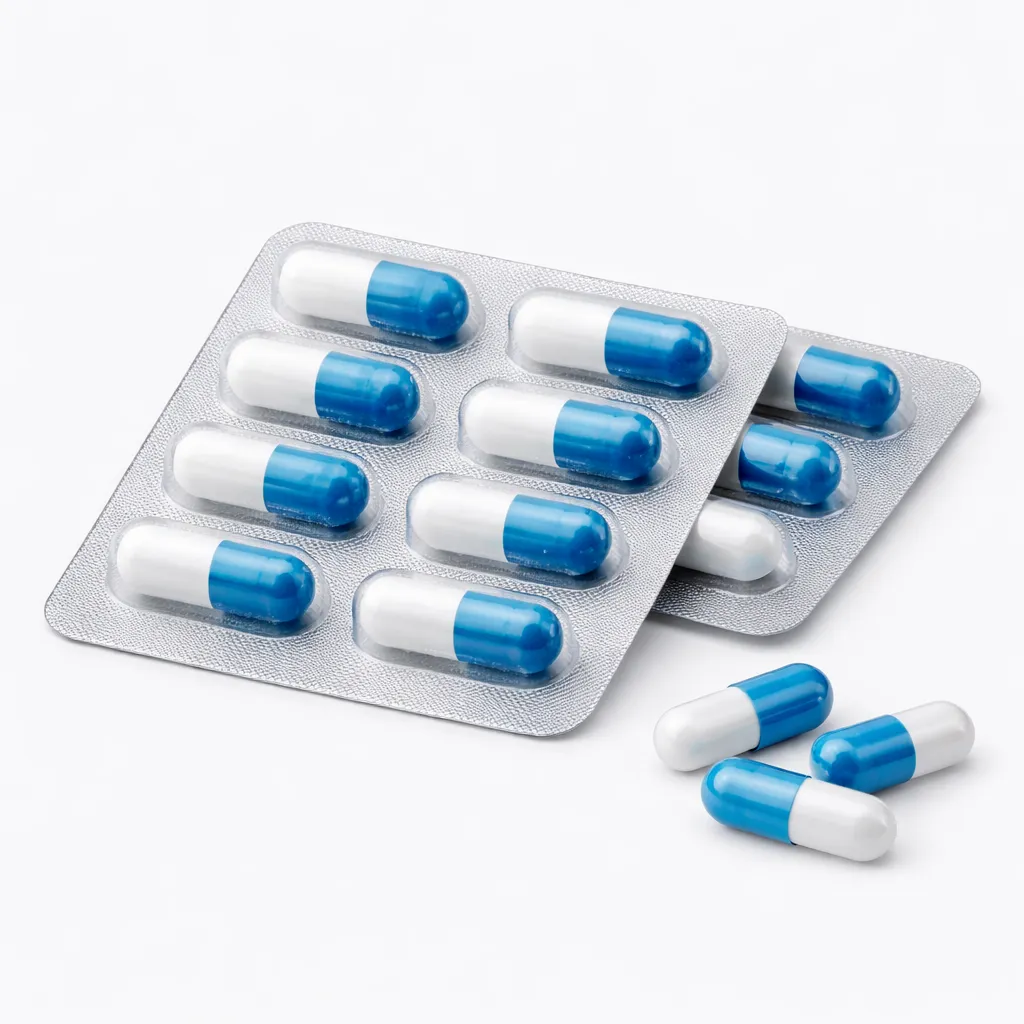
Description
SIROBOON 2 MG
Indications
SIROBOON 2 MG is primarily indicated for the management of certain medical conditions that require the modulation of immune responses. It is commonly prescribed for patients with autoimmune disorders, chronic inflammatory diseases, and in some cases, for the prevention of organ transplant rejection. The active ingredient in SIROBOON is known for its ability to inhibit specific pathways in the immune system, thereby reducing inflammation and preventing tissue damage.
Mechanism of Action
The mechanism of action of SIROBOON involves the selective inhibition of specific immune pathways. It targets the signaling pathways that are crucial for the activation and proliferation of T-lymphocytes, which play a significant role in the body’s immune response. By inhibiting these pathways, SIROBOON effectively reduces the production of pro-inflammatory cytokines, leading to a decrease in inflammation and immune system activity. This action helps in managing conditions characterized by excessive immune responses.
Pharmacological Properties
SIROBOON exhibits a range of pharmacological properties that contribute to its therapeutic effects. It is well-absorbed when administered orally, with peak plasma concentrations typically achieved within a few hours. The drug is metabolized in the liver and excreted primarily through the kidneys. Its half-life allows for once-daily dosing, which can improve patient adherence to the treatment regimen. SIROBOON is also characterized by its immunosuppressive properties, making it effective in conditions where immune modulation is necessary.
Contraindications
SIROBOON should not be used in patients with known hypersensitivity to the active ingredient or any of the excipients in the formulation. Additionally, it is contraindicated in patients with active infections, as its immunosuppressive effects may exacerbate these conditions. Patients with severe liver or kidney impairment should also avoid using SIROBOON due to the potential for increased toxicity and adverse effects. Pregnant and breastfeeding women should consult their healthcare provider before starting treatment with SIROBOON.
Side Effects
Like all medications, SIROBOON may cause side effects, although not everyone experiences them. Common side effects include gastrointestinal disturbances such as nausea, vomiting, and diarrhea. Patients may also experience headaches, dizziness, and fatigue. More serious side effects can occur, including increased susceptibility to infections, liver enzyme abnormalities, and hematological changes such as leukopenia or thrombocytopenia. It is essential for patients to report any unusual symptoms to their healthcare provider promptly.
Dosage and Administration
The recommended dosage of SIROBOON 2 MG varies depending on the specific condition being treated and the individual patient’s response to therapy. Generally, the initial dose may be adjusted based on clinical response and tolerability. It is crucial for patients to follow their healthcare provider’s instructions regarding dosage and administration. SIROBOON is typically taken orally, with or without food, and should be taken at the same time each day to maintain consistent blood levels of the medication.
Interactions
SIROBOON may interact with other medications, which can affect its efficacy and safety. Concomitant use of other immunosuppressants can increase the risk of infections and other adverse effects. Additionally, drugs that affect liver enzymes may alter the metabolism of SIROBOON, leading to increased or decreased drug levels in the body. Patients should inform their healthcare provider of all medications, supplements, and herbal products they are taking to avoid potential interactions.
Precautions
Before starting treatment with SIROBOON, it is essential for healthcare providers to conduct a thorough assessment of the patient’s medical history and current health status. Regular monitoring of liver function tests, renal function, and complete blood counts is recommended during treatment to detect any potential adverse effects early. Patients should be advised to maintain good hygiene and avoid exposure to infections, as their immune system may be compromised while on SIROBOON. Vaccinations should be discussed with a healthcare provider, as live vaccines may pose a risk to immunosuppressed individuals.
Clinical Studies
Clinical studies evaluating the efficacy and safety of SIROBOON have demonstrated its beneficial effects in various conditions requiring immune modulation. In randomized controlled trials, patients treated with SIROBOON showed significant improvements in disease activity scores compared to placebo groups. The studies also highlighted the tolerability of SIROBOON, with most side effects being mild to moderate in severity. Long-term studies have provided evidence of sustained efficacy and safety, reinforcing the role of SIROBOON in the management of autoimmune diseases and organ transplant protocols.
Conclusion
SIROBOON 2 MG is a valuable therapeutic option for patients requiring immunosuppression due to autoimmune disorders or organ transplantation. Its mechanism of action, pharmacological properties, and clinical efficacy make it an important medication in the field of immunology. However, careful consideration of contraindications, potential side effects, and drug interactions is essential to ensure patient safety and treatment effectiveness. Ongoing monitoring and patient education are crucial components of successful therapy with SIROBOON.
Important
It is essential to use SIROBOON 2 MG responsibly and only under the guidance of a qualified healthcare provider. Patients should be aware of the potential risks and benefits associated with its use and adhere to prescribed dosages and follow-up appointments.