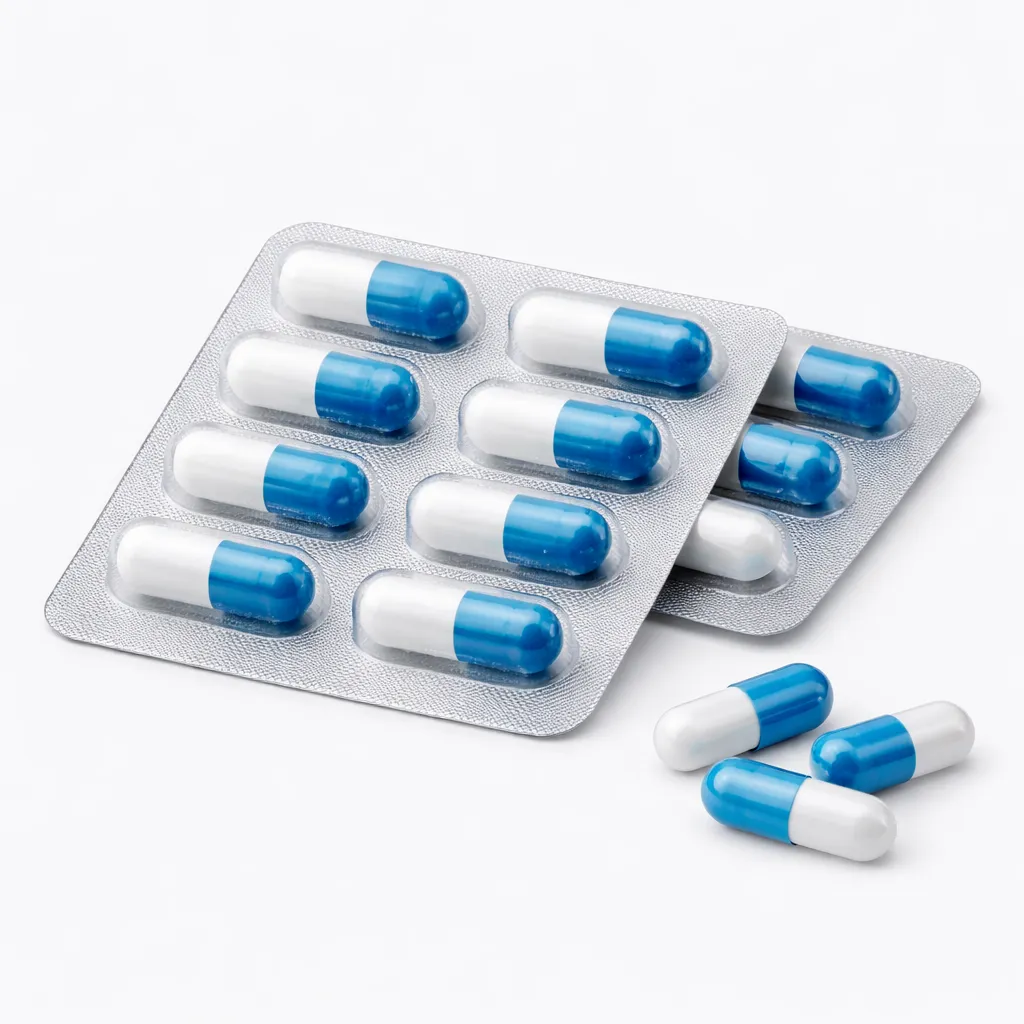
Description
SIROBOON 5 MG
Indications
SIROBOON 5 MG is primarily indicated for the treatment of various conditions associated with excessive inflammation and immune system dysregulation. It is commonly prescribed for autoimmune disorders, such as rheumatoid arthritis and psoriasis, as well as for the management of certain types of cancers. The medication may also be utilized in transplant patients to prevent organ rejection by modulating the immune response.
Mechanism of Action
SIROBOON 5 MG contains the active ingredient sirolimus, which is an immunosuppressant that works by inhibiting the mammalian target of rapamycin (mTOR) pathway. This pathway is crucial for regulating cell growth, proliferation, and survival. By blocking mTOR, SIROBOON reduces the activation of T-lymphocytes and B-lymphocytes, which are essential components of the immune response. This action helps to decrease the immune system’s activity, thereby preventing the body from attacking its own tissues in autoimmune diseases and reducing the risk of organ rejection in transplant patients.
Pharmacological Properties
SIROBOON 5 MG is characterized by its unique pharmacokinetic profile. After oral administration, sirolimus is rapidly absorbed, with peak plasma concentrations typically occurring within 1 to 2 hours. The bioavailability of sirolimus can be affected by food intake, with high-fat meals potentially increasing absorption. The drug is extensively metabolized in the liver by cytochrome P450 enzymes, primarily CYP3A4, leading to various metabolites, some of which may have pharmacological activity. The elimination half-life of sirolimus ranges from 62 to 85 hours, allowing for once-daily dosing in most cases.
Contraindications
SIROBOON 5 MG is contraindicated in patients with a known hypersensitivity to sirolimus or any of its excipients. It should not be used in individuals with active infections, particularly those caused by bacteria, viruses, or fungi, as immunosuppression may exacerbate these conditions. Additionally, the medication is contraindicated in patients with severe liver impairment, as this may significantly alter the metabolism and clearance of sirolimus, leading to increased toxicity.
Side Effects
Common side effects associated with SIROBOON 5 MG include gastrointestinal disturbances such as nausea, diarrhea, and abdominal pain. Other frequent adverse effects may include headache, fatigue, and elevated liver enzymes. Serious side effects can occur, including increased susceptibility to infections, lymphocele, and renal impairment. Patients should be monitored for signs of pulmonary toxicity, such as cough and dyspnea, as well as for the development of malignancies due to prolonged immunosuppression.
Dosage and Administration
The recommended starting dose of SIROBOON 5 MG varies depending on the condition being treated. For the prevention of organ rejection in kidney transplant patients, an initial loading dose of 6 mg is typically administered, followed by a maintenance dose of 2 to 5 mg once daily. In the treatment of autoimmune diseases, the dosage may be adjusted based on clinical response and tolerability. It is essential to adhere to the prescribed regimen and to not exceed the recommended dose to minimize the risk of adverse effects.
Interactions
SIROBOON 5 MG has the potential to interact with a variety of medications due to its metabolism by CYP3A4. Co-administration with strong inhibitors of this enzyme, such as ketoconazole or erythromycin, can increase sirolimus levels, leading to toxicity. Conversely, drugs that induce CYP3A4, such as rifampin or St. John’s Wort, may decrease sirolimus levels, reducing its efficacy. Patients should inform their healthcare provider of all medications, including over-the-counter drugs and herbal supplements, to avoid potential interactions.
Precautions
Before initiating treatment with SIROBOON 5 MG, a thorough medical history and physical examination should be conducted. Patients should be screened for any pre-existing infections, liver dysfunction, or malignancies. Regular monitoring of renal function, liver enzymes, and complete blood counts is recommended during treatment to detect any potential complications early. Patients should be advised to avoid live vaccines during therapy, as the immunosuppressive effects of sirolimus can lead to increased risk of vaccine-related infections.
Clinical Studies
Clinical studies have demonstrated the efficacy of SIROBOON 5 MG in preventing organ rejection in kidney transplant patients and managing autoimmune disorders. In a randomized controlled trial involving kidney transplant recipients, sirolimus was shown to significantly reduce the incidence of acute rejection compared to placebo. Additionally, studies have indicated that sirolimus can be effective in controlling symptoms and improving quality of life in patients with conditions such as rheumatoid arthritis and psoriasis. Ongoing research continues to explore the full therapeutic potential of sirolimus in various medical fields.
Conclusion
SIROBOON 5 MG is a valuable therapeutic option for patients requiring immunosuppression due to autoimmune diseases or organ transplantation. Its unique mechanism of action and pharmacological properties make it effective in managing these conditions. However, careful consideration of contraindications, potential side effects, and drug interactions is essential for safe and effective use. Regular monitoring and patient education are crucial components of treatment to ensure optimal outcomes.
Important
Responsible use of SIROBOON 5 MG is essential for maximizing therapeutic benefits while minimizing risks. Patients should follow their healthcare provider’s instructions closely and report any unusual symptoms promptly. It is important to maintain regular follow-up appointments for monitoring and adjustments in therapy as needed.