Description
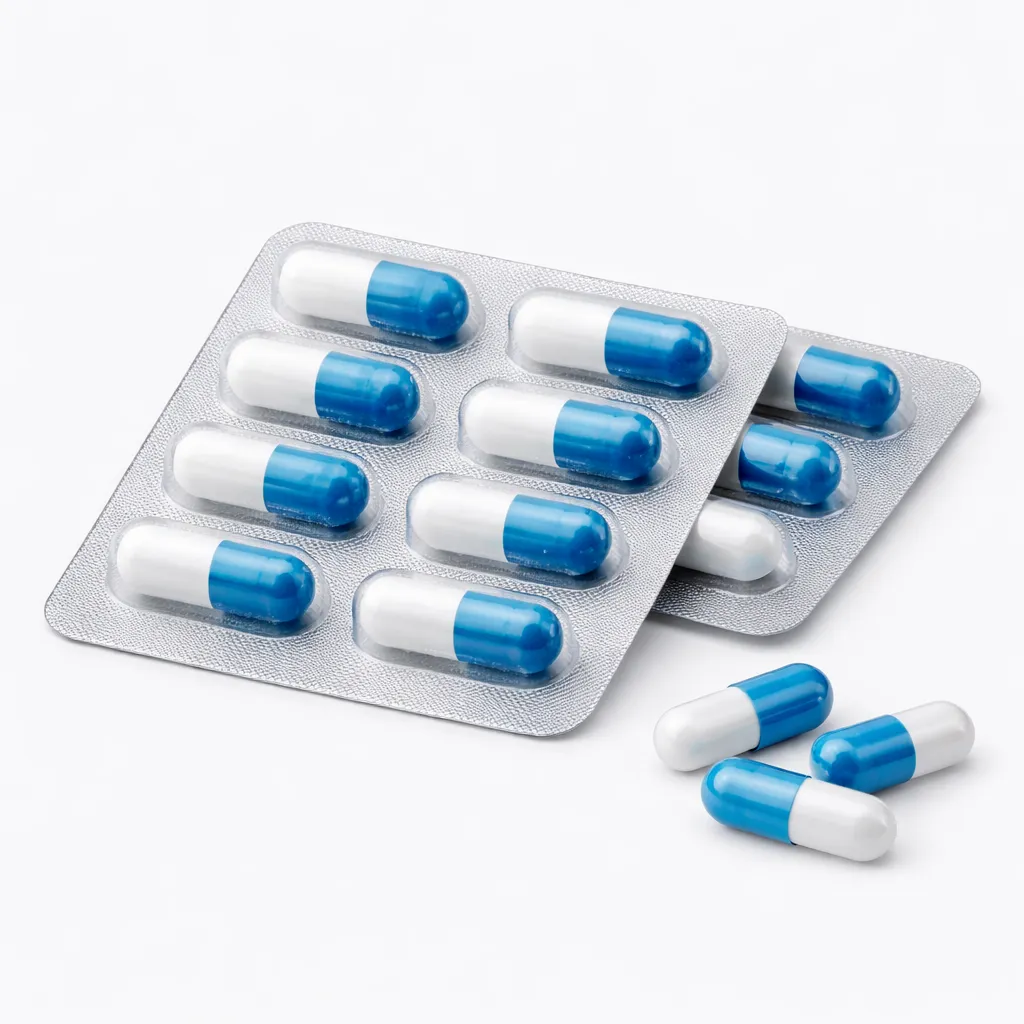
SLIMGAL 120 MG (1X21)
Indications
SLIMGAL 120 MG is indicated for the management of obesity in adults and children aged 12 years and older. It is intended to be used in conjunction with a reduced-calorie diet and increased physical activity. This medication is particularly beneficial for individuals with a body mass index (BMI) of 30 kg/m² or greater, or those with a BMI of 27 kg/m² or greater who have weight-related comorbid conditions such as hypertension, type 2 diabetes, or dyslipidemia. The use of SLIMGAL is aimed at achieving weight loss and improving overall health outcomes in patients struggling with obesity.
Mechanism of Action
SLIMGAL contains the active ingredient which acts as a selective serotonin receptor agonist. This mechanism targets specific serotonin receptors in the brain that are involved in appetite regulation. By enhancing the activity of serotonin, SLIMGAL helps to promote satiety and reduce hunger, leading to decreased caloric intake. Additionally, it may influence metabolic processes, contributing to weight loss and improved metabolic health. The precise pathways through which SLIMGAL exerts its effects are still under investigation, but its role in appetite suppression is well established.
Pharmacological Properties
SLIMGAL is characterized by its pharmacokinetic profile, which includes rapid absorption following oral administration. Peak plasma concentrations are typically reached within 1-2 hours. The drug is extensively metabolized in the liver, primarily through cytochrome P450 enzymes, and has a half-life of approximately 12 hours. This allows for once-daily dosing, which enhances patient compliance. The elimination of SLIMGAL and its metabolites occurs predominantly through renal excretion. Understanding these pharmacological properties is crucial for optimizing treatment regimens and managing potential drug interactions.
Contraindications
SLIMGAL is contraindicated in patients with a known hypersensitivity to the active ingredient or any of the excipients in the formulation. It should not be used in individuals with a history of cardiovascular disease, including heart failure, or those with severe hepatic impairment. Additionally, the use of SLIMGAL is not recommended during pregnancy or lactation due to potential risks to the fetus or nursing infant. Patients with a history of substance abuse or eating disorders should also avoid this medication, as it may exacerbate these conditions.
Side Effects
Common side effects associated with SLIMGAL include gastrointestinal disturbances such as nausea, diarrhea, and constipation. Other reported side effects may encompass headache, dizziness, and fatigue. Most side effects are mild to moderate in severity and tend to diminish over time as the body adjusts to the medication. However, more serious adverse effects, including cardiovascular events and severe allergic reactions, have been reported and require immediate medical attention. Patients should be counseled on the potential side effects and advised to report any unusual symptoms to their healthcare provider.
Dosage and Administration
The recommended starting dose of SLIMGAL is 120 mg taken orally once daily, preferably in the morning. It is important for patients to adhere to the prescribed dosage and not to exceed the maximum recommended dose. SLIMGAL should be taken with or without food, but consistency in administration is key for optimal absorption. If a dose is missed, patients should take it as soon as they remember, unless it is close to the time of the next scheduled dose. In such cases, the missed dose should be skipped, and the regular dosing schedule should be resumed. Patients should not double up on doses to make up for a missed one.
Interactions
SLIMGAL may interact with various medications, particularly those that are metabolized by the liver. Co-administration with other drugs that affect cytochrome P450 enzymes may alter the plasma concentrations of SLIMGAL or the interacting medication, leading to increased risk of side effects or reduced therapeutic efficacy. Additionally, the use of SLIMGAL with other weight-loss medications or appetite suppressants is not recommended due to the potential for additive effects and increased risk of adverse reactions. Patients should inform their healthcare provider of all medications, supplements, and herbal products they are taking to avoid potential interactions.
Precautions
Prior to initiating treatment with SLIMGAL, a thorough medical history and assessment of the patient’s cardiovascular status should be conducted. Regular monitoring of weight, metabolic parameters, and overall health is essential during treatment. Patients with a history of psychiatric disorders should be closely monitored for any changes in mood or behavior. It is also important to educate patients about the importance of lifestyle modifications, including dietary changes and physical activity, as these are critical components of a successful weight management program. Patients should be advised to avoid alcohol consumption while taking SLIMGAL, as it may exacerbate side effects.
Clinical Studies
Clinical studies evaluating the efficacy and safety of SLIMGAL have demonstrated significant weight loss in participants compared to placebo groups. In a randomized controlled trial involving overweight and obese adults, those treated with SLIMGAL experienced an average weight reduction of 5-10% over a 12-month period. Furthermore, improvements in metabolic parameters such as blood glucose levels and lipid profiles were observed. Long-term studies suggest that continued use of SLIMGAL, in conjunction with lifestyle modifications, can lead to sustained weight loss and improved health outcomes. Ongoing research is focused on understanding the long-term effects and potential benefits of SLIMGAL in diverse patient populations.
Conclusion
SLIMGAL 120 MG represents a valuable option for the management of obesity, particularly in individuals who have not achieved sufficient weight loss through diet and exercise alone. Its unique mechanism of action, combined with a favorable pharmacological profile, supports its use in clinical practice. However, careful consideration of contraindications, potential side effects, and drug interactions is essential to ensure patient safety and maximize therapeutic outcomes. As with any medication, SLIMGAL should be used as part of a comprehensive weight management program that includes lifestyle changes for optimal effectiveness.
Important
It is crucial to use SLIMGAL responsibly and under the supervision of a qualified healthcare provider. Patients are encouraged to adhere to prescribed dosages and report any adverse effects promptly. Weight management should be approached holistically, incorporating dietary changes and physical activity for the best results.