Description
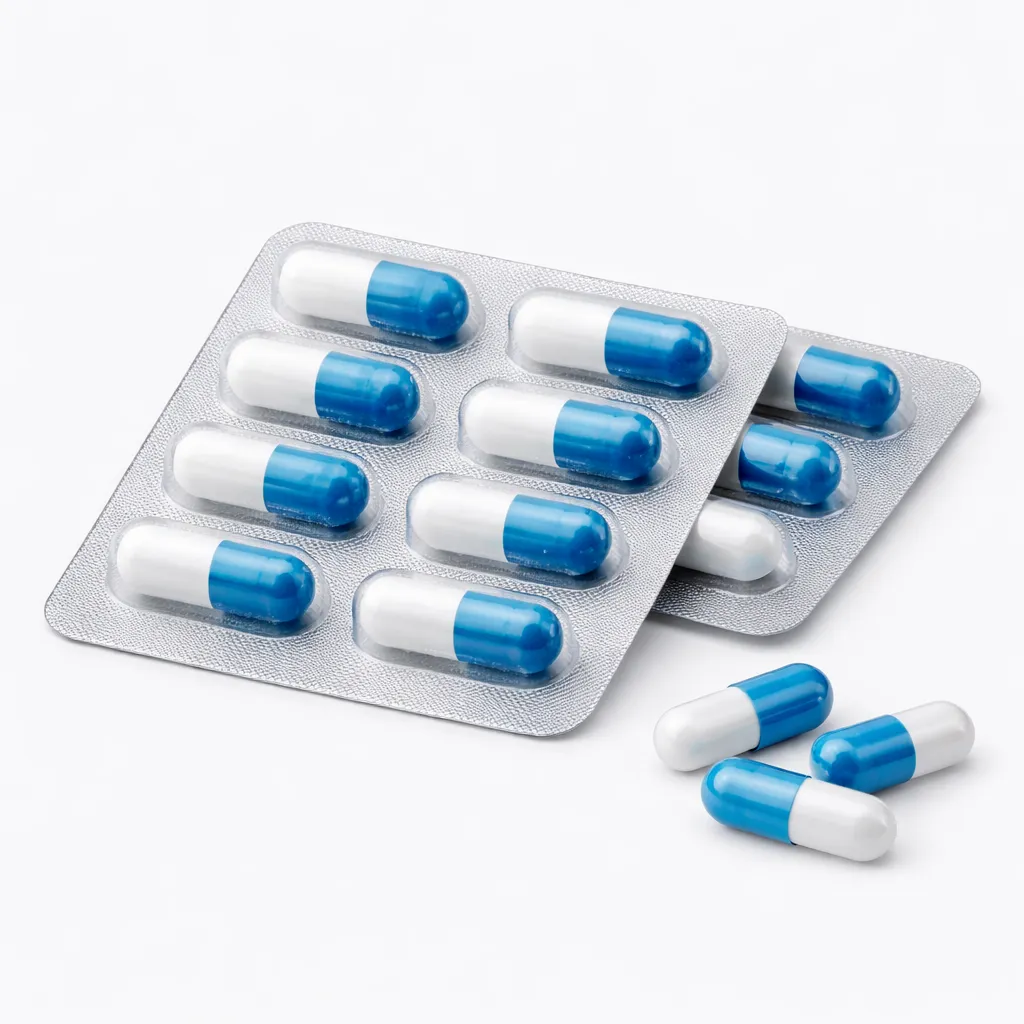
SPORANOX 100 MG
Indications
SPORANOX (itraconazole) is an antifungal medication primarily indicated for the treatment of various fungal infections. It is effective against a range of fungal pathogens, including dermatophytes, yeasts, and certain molds. Common indications for SPORANOX include the treatment of oropharyngeal and esophageal candidiasis, onychomycosis, and systemic fungal infections such as histoplasmosis and blastomycosis. It is also utilized in the prophylaxis of fungal infections in immunocompromised patients, particularly those undergoing chemotherapy or organ transplantation.
Mechanism of Action
SPORANOX exerts its antifungal effects by inhibiting the synthesis of ergosterol, a critical component of fungal cell membranes. Itraconazole binds to the enzyme lanosterol demethylase, which is involved in the conversion of lanosterol to ergosterol. This inhibition disrupts the integrity of the fungal cell membrane, leading to increased permeability and ultimately cell death. The selective action against fungal cells, with minimal impact on human cells, contributes to its therapeutic efficacy and safety profile.
Pharmacological Properties
SPORANOX is well-absorbed following oral administration, with its bioavailability influenced by the presence of food. The drug is highly protein-bound, primarily to albumin and alpha-1 acid glycoprotein. It undergoes extensive hepatic metabolism, primarily via the cytochrome P450 3A4 enzyme pathway, producing several metabolites, some of which possess antifungal activity. The elimination half-life of itraconazole is approximately 24 hours, allowing for once-daily dosing in many cases. The drug is excreted primarily in the feces, with a smaller percentage eliminated in urine.
Contraindications
SPORANOX is contraindicated in patients with known hypersensitivity to itraconazole or any component of the formulation. Additionally, it should not be used in patients with a history of heart failure or other significant cardiac conditions, as itraconazole has been associated with negative inotropic effects. The concurrent use of certain medications that are strong CYP3A4 inhibitors or that prolong the QT interval is also contraindicated due to the risk of serious adverse effects.
Side Effects
Common side effects of SPORANOX include gastrointestinal disturbances such as nausea, vomiting, and diarrhea. Other reported adverse effects may include headache, dizziness, and rash. More serious side effects can occur, including hepatotoxicity, heart failure, and severe allergic reactions. Patients should be monitored for signs of liver dysfunction, including jaundice, dark urine, and elevated liver enzymes. If any severe side effects occur, discontinuation of the medication is advised.
Dosage and Administration
The recommended dosage of SPORANOX varies depending on the type and severity of the fungal infection being treated. For the treatment of onychomycosis, the typical regimen is 200 mg taken orally once daily for 12 weeks. For systemic infections, the initial dose may be 200 mg taken twice daily, with adjustments made based on clinical response and tolerability. It is essential to take SPORANOX with food to enhance absorption. The duration of therapy should be determined by the treating physician based on the specific indication and patient response.
Interactions
SPORANOX has the potential to interact with a variety of medications due to its effects on the CYP3A4 enzyme system. Co-administration with medications that are also metabolized by this pathway can lead to altered plasma concentrations, increasing the risk of toxicity or therapeutic failure. Notable interactions include those with statins, benzodiazepines, and certain antihistamines. Additionally, the concurrent use of drugs that prolong the QT interval, such as certain antipsychotics and antiarrhythmics, should be approached with caution. A thorough medication review is essential before initiating therapy with SPORANOX.
Precautions
Prior to starting SPORANOX, a comprehensive medical history should be taken, particularly focusing on any history of liver disease, heart failure, or concurrent medications. Regular monitoring of liver function tests is recommended during treatment, especially in patients with pre-existing liver conditions or those taking other hepatotoxic drugs. Caution should also be exercised in patients with a history of heart disease, and the use of SPORANOX should be avoided in those with active heart failure. Pregnant and breastfeeding women should only use SPORANOX if the potential benefits outweigh the risks, as its safety in these populations has not been established.
Clinical Studies
Clinical studies have demonstrated the efficacy of SPORANOX in treating various fungal infections. In a randomized, double-blind trial involving patients with onychomycosis, SPORANOX showed a significantly higher cure rate compared to placebo. Another study evaluated its effectiveness in treating invasive aspergillosis, showing favorable outcomes in patients who were refractory to other antifungal therapies. These studies underscore the role of SPORANOX as a valuable option in the antifungal armamentarium, particularly for difficult-to-treat infections.
Conclusion
SPORANOX 100 MG is an effective antifungal agent indicated for a variety of fungal infections. Its mechanism of action through ergosterol synthesis inhibition, coupled with its pharmacological properties, makes it a critical option in the management of both superficial and systemic fungal diseases. While generally well-tolerated, careful consideration of contraindications, potential side effects, and drug interactions is essential for safe and effective use. Ongoing monitoring and patient education are crucial components of therapy to optimize outcomes and minimize risks.
Important
It is essential to use SPORANOX responsibly and under the guidance of a healthcare professional. Adherence to prescribed dosages and monitoring for side effects can significantly enhance treatment efficacy and patient safety.