Description
TACROHEAL 1 MG
Indications
TACROHEAL 1 MG is primarily indicated for the prevention of organ rejection in patients who have undergone kidney, liver, or heart transplantation. It is also utilized in the treatment of autoimmune diseases such as rheumatoid arthritis and psoriasis. The medication is part of a comprehensive immunosuppressive regimen that helps to reduce the risk of transplant rejection by modulating the immune response.
Mechanism of Action
The active ingredient in TACROHEAL is tacrolimus, a potent immunosuppressant that belongs to the class of calcineurin inhibitors. Tacrolimus works by inhibiting the activation of T-lymphocytes, which are crucial for the immune response. Specifically, it binds to an intracellular protein called FKBP-12, forming a complex that inhibits calcineurin. This inhibition prevents the dephosphorylation of nuclear factor of activated T-cells (NFAT), thereby blocking the transcription of cytokines such as interleukin-2 (IL-2). The reduction in IL-2 levels leads to decreased T-cell proliferation and activity, ultimately lowering the risk of organ rejection.
Pharmacological Properties
Tacrolimus is characterized by its high lipophilicity, which allows for efficient absorption and distribution in the body. After oral administration, peak plasma concentrations are typically reached within 1 to 3 hours. The drug is extensively metabolized in the liver via the cytochrome P450 3A4 enzyme system, leading to various metabolites, some of which may have pharmacological activity. The elimination half-life of tacrolimus ranges from 12 to 18 hours, necessitating careful monitoring of drug levels in patients to achieve optimal therapeutic effects while minimizing toxicity.
Contraindications
TACROHEAL 1 MG is contraindicated in patients with a known hypersensitivity to tacrolimus or any of the excipients in the formulation. Additionally, it should not be used in patients with active infections, particularly those caused by viruses, bacteria, or fungi, as immunosuppression can exacerbate these conditions. Caution is also advised in patients with a history of malignancies, as tacrolimus may increase the risk of developing new cancers.
Side Effects
The use of TACROHEAL 1 MG may be associated with a range of side effects, some of which can be serious. Common side effects include headache, dizziness, tremors, and gastrointestinal disturbances such as nausea and diarrhea. More severe adverse effects may include nephrotoxicity, neurotoxicity, and an increased risk of infections and malignancies. Patients should be monitored regularly for signs of these complications, and dosage adjustments may be necessary based on individual tolerance and response.
Dosage and Administration
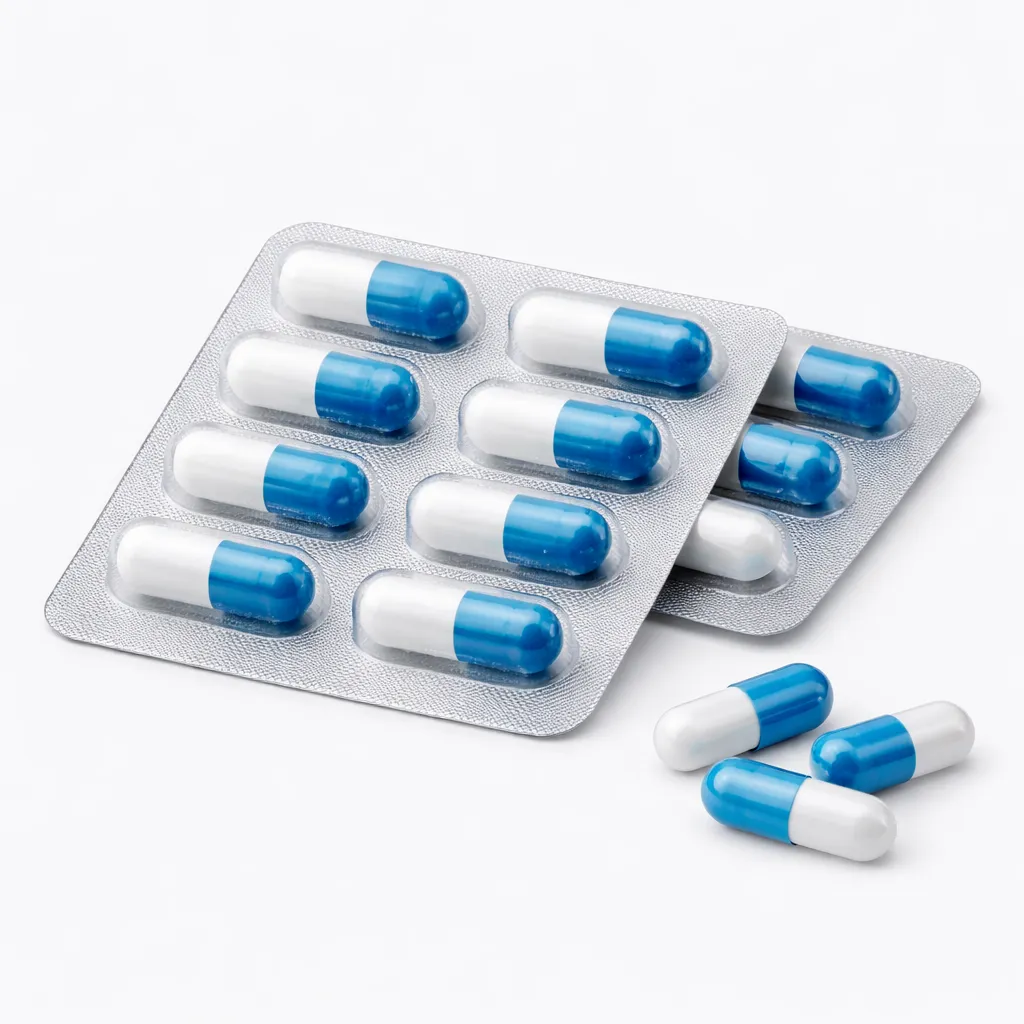
The recommended starting dose of TACROHEAL 1 MG varies based on the type of transplant and the patient’s clinical condition. For kidney transplantation, the initial oral dose is typically 0.1 to 0.2 mg/kg/day, administered in two divided doses. For liver transplantation, the starting dose may be similar, but adjustments are often made based on the patient’s liver function and tacrolimus blood levels. It is crucial for patients to adhere to their prescribed dosing schedule and to have regular blood tests to monitor drug levels and renal function.
Interactions
TACROHEAL 1 MG is known to interact with a variety of medications, which can affect its metabolism and efficacy. Drugs that induce or inhibit the cytochrome P450 3A4 enzyme can significantly alter tacrolimus levels. For instance, co-administration with strong CYP3A4 inhibitors such as ketoconazole or erythromycin may increase tacrolimus concentrations, leading to toxicity. Conversely, CYP3A4 inducers like rifampin can decrease tacrolimus levels, increasing the risk of transplant rejection. Patients should inform their healthcare provider of all medications, supplements, and herbal products they are taking to avoid potential interactions.
Precautions
Clinical Studies
Conclusion
TACROHEAL 1 MG is a critical component of immunosuppressive therapy in transplant patients, offering significant benefits in preventing organ rejection. While effective, its use requires careful consideration of potential side effects, drug interactions, and individual patient factors. Ongoing monitoring and patient education are vital to ensure optimal outcomes and minimize risks associated with tacrolimus therapy.
Important
It is essential to use TACROHEAL 1 MG responsibly and under the guidance of a qualified healthcare professional. Patients should adhere to prescribed dosages and attend regular follow-up appointments to monitor their health status and medication effects.