Description
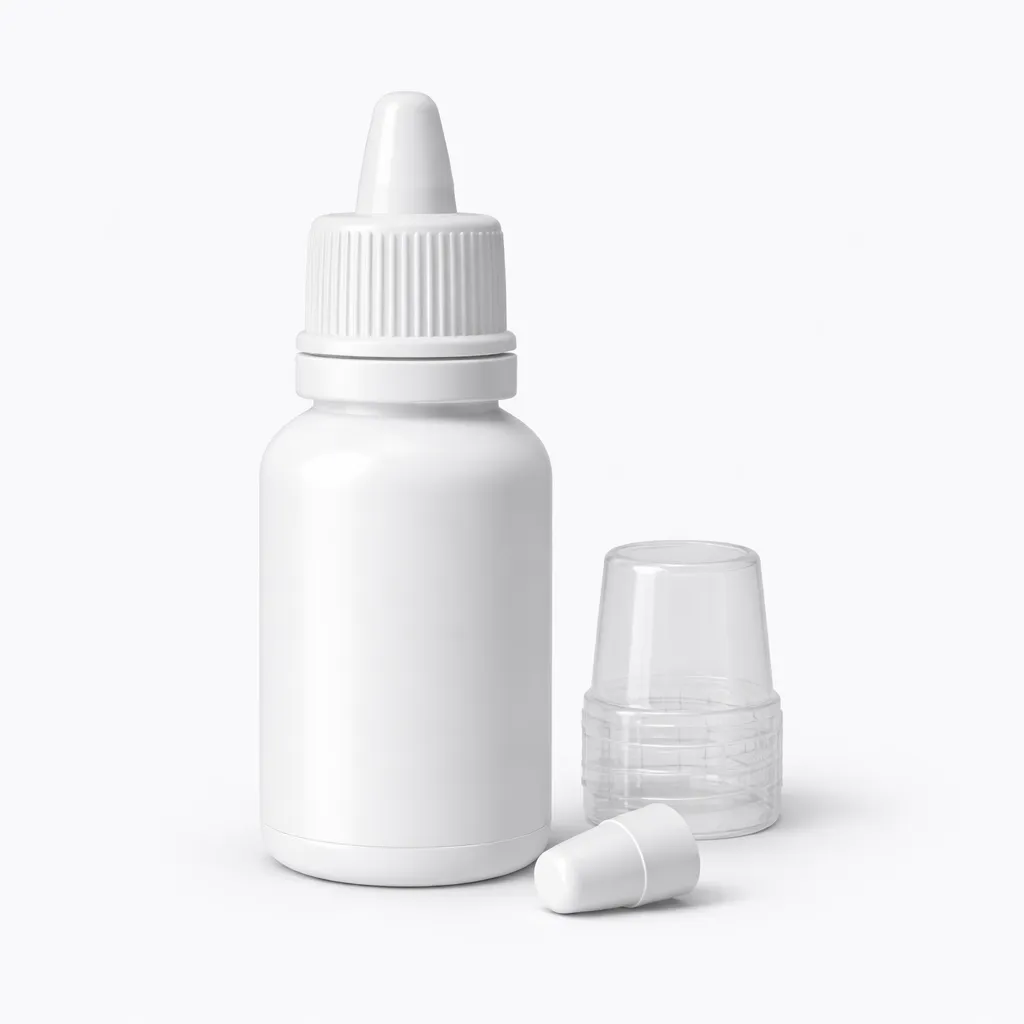
TOBA EYE DROP 0.3% 5ML
Indications
TOBA EYE DROP 0.3% is primarily indicated for the treatment of ocular conditions associated with inflammation and infection. It is commonly used in the management of conjunctivitis, keratitis, and other inflammatory eye disorders. The formulation is effective in alleviating symptoms such as redness, swelling, and discomfort associated with these conditions. Additionally, TOBA EYE DROP may be prescribed post-operatively to prevent infection and promote healing in patients who have undergone eye surgery.
Mechanism of Action
The active ingredients in TOBA EYE DROP work synergistically to exert their therapeutic effects. The primary component, tobramycin, is an aminoglycoside antibiotic that inhibits bacterial protein synthesis by binding to the 30S ribosomal subunit. This action disrupts the function of bacterial ribosomes, leading to the cessation of bacterial growth and replication. The anti-inflammatory properties of the formulation help to reduce the inflammatory response in the ocular tissues, thereby alleviating symptoms associated with inflammation and infection.
Pharmacological Properties
TOBA EYE DROP 0.3% contains tobramycin as its active ingredient. Tobramycin is known for its broad-spectrum antibacterial activity, particularly against Gram-negative bacteria, including Pseudomonas aeruginosa. The pharmacokinetics of tobramycin in ocular formulations suggest that it achieves therapeutic concentrations in the aqueous humor and corneal tissues with minimal systemic absorption. The half-life of tobramycin in the eye is approximately 2 to 4 hours, necessitating frequent dosing to maintain effective drug levels. The formulation is designed to provide sustained release, enhancing its efficacy in treating ocular infections.
Contraindications
TOBA EYE DROP 0.3% is contraindicated in patients with a known hypersensitivity to tobramycin or any other component of the formulation. It should not be used in individuals with viral infections of the cornea, such as herpes simplex keratitis, as this may exacerbate the condition. Caution is advised in patients with pre-existing renal impairment, as systemic absorption, although minimal, may pose risks in such individuals.
Side Effects
Common side effects associated with the use of TOBA EYE DROP may include local irritation, burning, stinging, and redness upon instillation. Other reported adverse effects may encompass transient blurred vision, dry eyes, and increased sensitivity to light. Serious side effects are rare but may include allergic reactions, such as rash, itching, or swelling of the eyelids. If any severe reactions occur, patients should discontinue use and seek medical attention immediately.
Dosage and Administration
The recommended dosage of TOBA EYE DROP 0.3% typically involves instilling one or two drops into the affected eye(s) every 4 to 6 hours, depending on the severity of the condition. For post-operative patients, the dosing may be adjusted based on the physician’s recommendations. It is essential to follow the prescribed regimen and not exceed the recommended dosage to minimize the risk of side effects and ensure optimal therapeutic outcomes. Patients should be instructed on proper administration techniques to avoid contamination of the dropper tip and ensure effective delivery of the medication.
Interactions
TOBA EYE DROP 0.3% may interact with other topical ocular medications, particularly those that contain preservatives. It is advisable to wait at least 5 to 10 minutes between administering different eye drops to prevent dilution and ensure adequate therapeutic effects. Systemic interactions are unlikely due to the minimal absorption of tobramycin; however, caution should be exercised when used concurrently with other nephrotoxic agents, especially in patients with existing renal conditions.
Precautions
Patients using TOBA EYE DROP 0.3% should be monitored for signs of worsening infection or lack of improvement in symptoms. Prolonged use of topical antibiotics may lead to the development of resistant organisms. Therefore, the duration of therapy should be limited to the shortest effective time. Patients should be advised to avoid wearing contact lenses during the course of treatment, as this may exacerbate irritation and increase the risk of complications. Additionally, patients with a history of hypersensitivity to aminoglycosides should use this medication with caution.
Clinical Studies
Clinical studies evaluating the efficacy of TOBA EYE DROP 0.3% have demonstrated its effectiveness in treating bacterial conjunctivitis and other ocular infections. A randomized controlled trial published in the Journal of Ocular Pharmacology and Therapeutics indicated that patients treated with tobramycin experienced significant improvement in symptoms compared to those receiving placebo. Furthermore, studies have shown that the use of TOBA EYE DROP post-operatively can reduce the incidence of infections and promote faster healing in surgical patients. These findings support the clinical utility of TOBA EYE DROP in various ocular conditions.
Conclusion
TOBA EYE DROP 0.3% is a valuable therapeutic option for the management of bacterial ocular infections and inflammatory conditions. Its dual action as an antibiotic and anti-inflammatory agent makes it effective in alleviating symptoms and promoting healing. As with any medication, it is essential for patients to use TOBA EYE DROP responsibly and under the guidance of a healthcare professional to maximize benefits and minimize risks. Regular follow-up and monitoring are recommended to ensure treatment efficacy and safety.
Important
It is crucial to use TOBA EYE DROP 0.3% responsibly and according to the prescribed guidelines. Patients should consult their healthcare provider for any concerns or questions regarding the use of this medication.