
Description
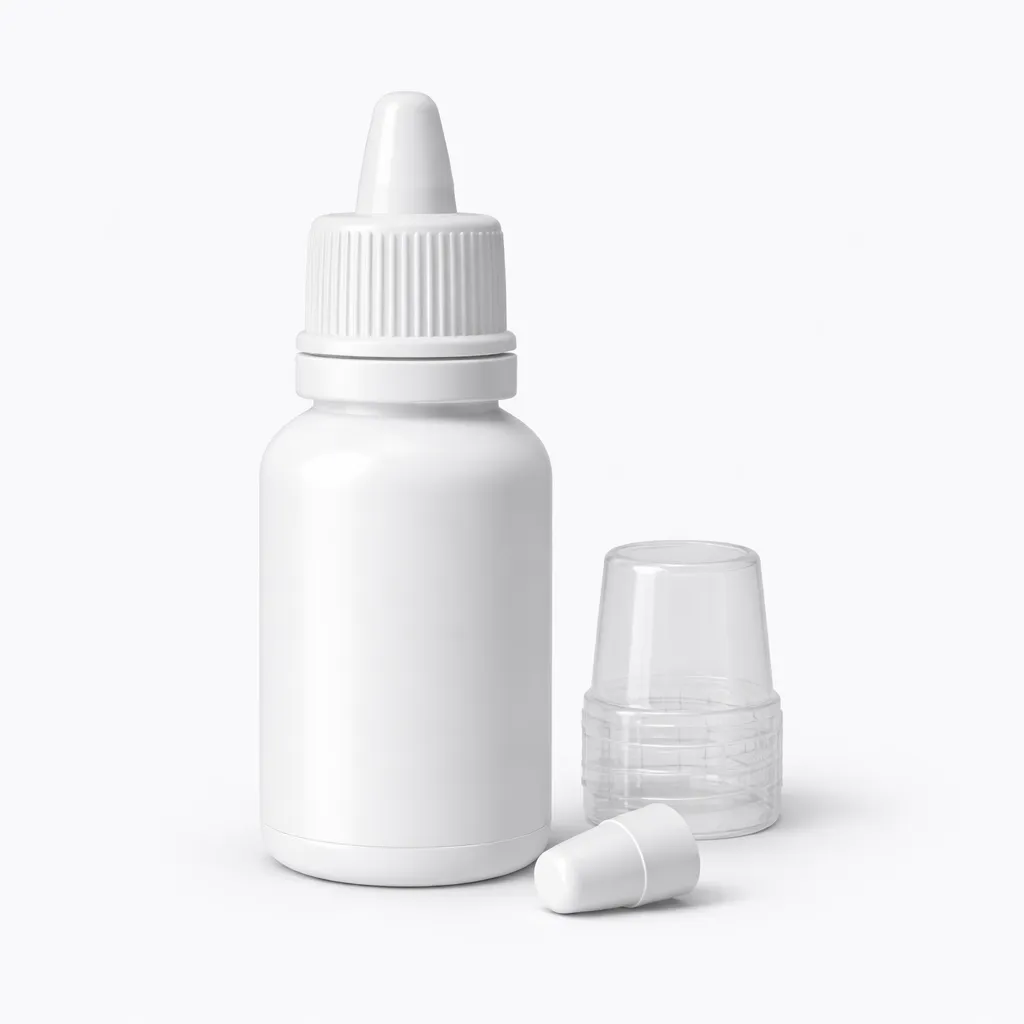
TRAVATAN EYE DROPS 40 MCG 2.5ML
Indications
Travatan Eye Drops (travoprost) are primarily indicated for the reduction of intraocular pressure (IOP) in patients with open-angle glaucoma and ocular hypertension. Elevated IOP is a significant risk factor for the development and progression of glaucoma, which can lead to irreversible vision loss if not adequately managed. Travatan is typically prescribed when other IOP-lowering medications are insufficient or not tolerated by the patient.
Mechanism of Action
Travatan contains travoprost, a synthetic analog of prostaglandin F2α. It works by increasing the outflow of aqueous humor, the fluid within the eye, through the uveoscleral pathway. This mechanism effectively lowers IOP by facilitating the drainage of fluid, thereby reducing pressure within the eye. The action of travoprost is generally observed within a few hours of administration, with peak effects occurring approximately 12 hours post-dose.
Pharmacological Properties
Travoprost is classified as a prostaglandin analog. It has a high affinity for prostaglandin receptors, particularly the FP receptor subtype, which mediates its ocular hypotensive effects. The pharmacokinetics of travoprost show that it is rapidly absorbed into the cornea, with systemic absorption being minimal due to its local application. The half-life of travoprost in the aqueous humor is approximately 17 minutes, while its effects can last up to 24 hours, necessitating once-daily dosing.
Contraindications
Travatan Eye Drops are contraindicated in patients with a known hypersensitivity to travoprost or any of the excipients in the formulation. Additionally, it should not be used in patients with active intraocular inflammation or those with a history of severe respiratory conditions, such as asthma, where the use of prostaglandins may exacerbate symptoms. Caution is also advised in patients with a history of herpetic keratitis, as travoprost may potentially reactivate the virus.
Side Effects
Common side effects associated with the use of Travatan Eye Drops include ocular hyperemia (redness of the eye), eye discomfort, and changes in eyelash growth, such as increased length, thickness, and pigmentation. Other less common side effects may include blurred vision, dry eyes, and foreign body sensation. Systemic side effects are rare but may include respiratory issues and allergic reactions. Patients should be advised to report any persistent or severe side effects to their healthcare provider.
Dosage and Administration
The recommended dosage for Travatan Eye Drops is one drop in the affected eye(s) once daily, preferably in the evening. Patients should be instructed on the proper technique for administering eye drops to ensure optimal absorption and minimize systemic exposure. It is important to avoid touching the dropper tip to any surface, including the eye, to prevent contamination. If a dose is missed, it should be administered as soon as remembered, but if it is close to the time of the next dose, the missed dose should be skipped.
Interactions
Travatan has a low potential for drug interactions due to its localized application and minimal systemic absorption. However, caution should be exercised when used concomitantly with other topical ophthalmic agents. If multiple eye drops are prescribed, patients should be advised to wait at least 5 to 10 minutes between the administration of different medications to ensure proper absorption and efficacy. Additionally, systemic medications that may affect the metabolism of prostaglandins should be discussed with a healthcare provider.
Precautions
Before initiating treatment with Travatan, a thorough ocular examination should be performed to rule out any underlying conditions that may contraindicate its use. Patients should be monitored regularly for changes in IOP and any adverse effects. Special caution should be exercised in patients with a history of macular edema, as there is a potential risk of developing this condition. Pregnant or breastfeeding women should consult their healthcare provider before using Travatan, as the effects on fetal or neonatal health are not fully established.
Clinical Studies
Clinical studies have demonstrated the efficacy of Travatan in lowering IOP in patients with open-angle glaucoma and ocular hypertension. In randomized controlled trials, Travatan has been shown to provide significant reductions in IOP compared to placebo and other IOP-lowering agents. Long-term studies have indicated that Travatan maintains its efficacy over extended periods, making it a valuable option in the management of elevated IOP. The safety profile of Travatan has also been established through extensive clinical trials, confirming its tolerability among patients.
Conclusion
Travatan Eye Drops 40 mcg 2.5ml are an effective treatment option for managing elevated intraocular pressure in patients with open-angle glaucoma and ocular hypertension. With its unique mechanism of action and favorable pharmacological properties, Travatan offers a reliable solution for patients requiring IOP reduction. As with any medication, it is essential for patients to follow their healthcare provider’s instructions and report any adverse effects or concerns during treatment.
Important
It is crucial to use Travatan Eye Drops responsibly and under the guidance of a healthcare professional. Patients should adhere to prescribed dosages and report any side effects or concerns to their doctor promptly. Regular follow-ups are necessary to monitor the effectiveness of the treatment and make any necessary adjustments.


