Description
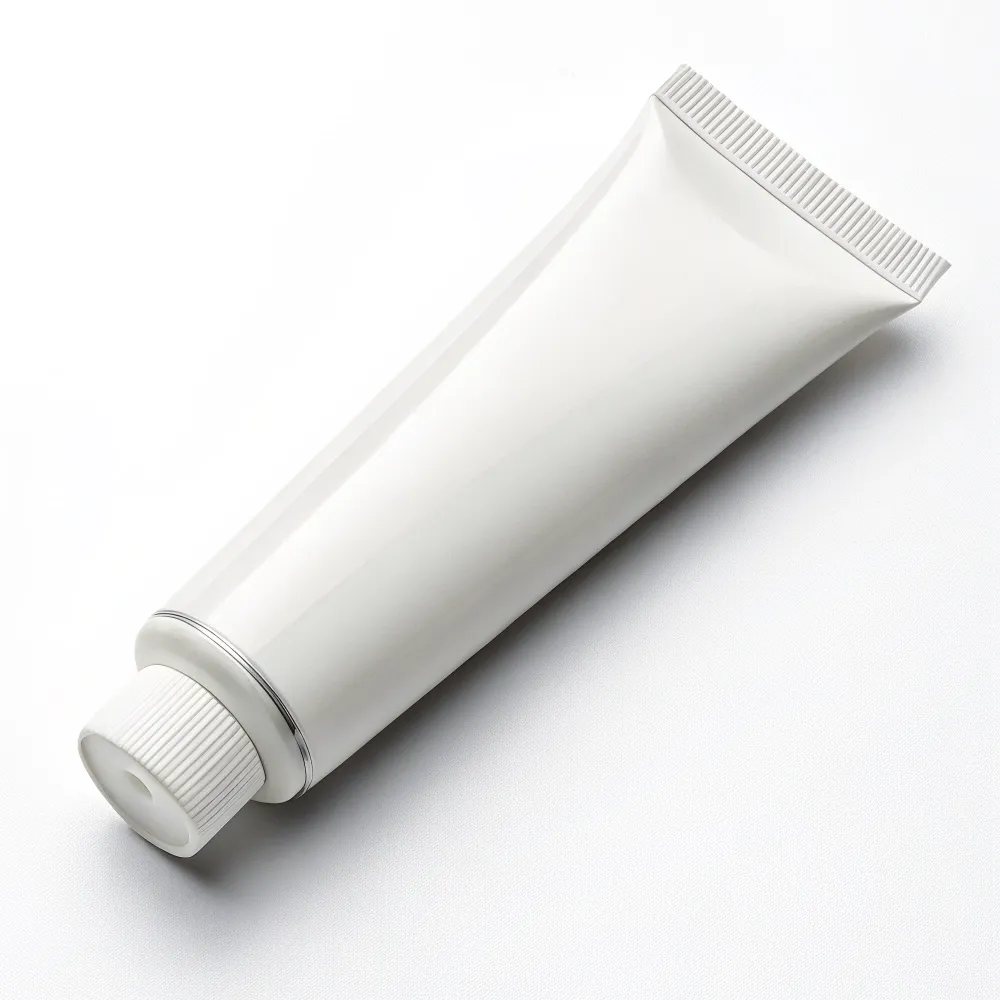
TRETIJON 0.025% CREAM 30GM
Indications
TRETIJON 0.025% cream is primarily indicated for the treatment of acne vulgaris. It is effective in reducing the number of acne lesions and improving the overall appearance of the skin. Additionally, it may be used for the treatment of other skin conditions as determined by a healthcare provider, such as photoaging, fine wrinkles, and hyperpigmentation. The active ingredient, tretinoin, is a derivative of vitamin A, which plays a crucial role in skin cell turnover and differentiation.
Mechanism of Action
Tretinoin, the active component of TRETIJON, exerts its therapeutic effects by promoting the turnover of skin cells. It binds to specific nuclear receptors in skin cells, which leads to increased cell proliferation and differentiation. This process helps to prevent the clogging of pores and reduces the formation of comedones (clogged hair follicles). Furthermore, tretinoin enhances collagen synthesis and decreases the breakdown of collagen, contributing to improved skin texture and reduced signs of aging. By modulating the expression of genes involved in skin cell growth and differentiation, tretinoin effectively addresses various skin conditions.
Pharmacological Properties
TRETIJON 0.025% cream is a topical formulation that contains tretinoin as its active ingredient. Tretinoin is lipophilic and can easily penetrate the stratum corneum, the outermost layer of the skin. Once absorbed, it undergoes metabolic conversion to its biologically active form, which interacts with nuclear receptors in the skin. The pharmacokinetics of tretinoin indicate that it has a rapid onset of action, with noticeable effects often observed within a few weeks of consistent use. The cream formulation allows for localized application, minimizing systemic absorption and reducing the risk of systemic side effects.
Contraindications
TRETIJON 0.025% cream is contraindicated in individuals who are hypersensitive to tretinoin or any of the excipients in the formulation. It should not be used on areas of the skin that are sunburned, irritated, or have open wounds. Additionally, pregnant or breastfeeding women should avoid using this medication due to potential risks to the fetus or infant. Patients with a history of eczema or other skin conditions that may exacerbate with topical retinoids should consult their healthcare provider before use.
Side Effects
Common side effects associated with the use of TRETIJON 0.025% cream include skin irritation, redness, peeling, dryness, and burning sensations at the application site. These effects are typically mild to moderate and often diminish with continued use as the skin adjusts to the treatment. In rare cases, more severe reactions such as severe allergic reactions, blistering, or excessive skin peeling may occur. Patients should be advised to discontinue use and seek medical attention if they experience any severe side effects. It is important to note that initial worsening of acne may occur as the medication promotes skin cell turnover.
Dosage and Administration
The recommended dosage of TRETIJON 0.025% cream is to apply a thin layer to the affected areas of the skin once daily, preferably in the evening before bedtime. The skin should be clean and completely dry before application. Patients are advised to start with a lower frequency of application (e.g., every other night) to minimize irritation, gradually increasing to nightly use as tolerated. It is essential to follow the healthcare provider’s instructions regarding the duration of treatment and to avoid excessive application, as this may increase the risk of side effects.
Interactions
While TRETIJON 0.025% cream is generally well-tolerated, it may interact with other topical medications, particularly those that have a drying effect, such as benzoyl peroxide, salicylic acid, or alcohol-based products. Concurrent use of these products may increase the risk of skin irritation. Patients should inform their healthcare provider of all medications they are using, including over-the-counter products, to ensure safe and effective treatment. Additionally, patients should avoid exposure to excessive sunlight or artificial UV light while using tretinoin, as it may increase photosensitivity.
Precautions
Patients using TRETIJON 0.025% cream should exercise caution when applying the product to sensitive areas, such as around the eyes, mouth, and nostrils, as these areas may be more prone to irritation. It is advisable to avoid using the cream on broken or inflamed skin. Patients should also be advised to use sunscreen daily, as tretinoin can increase the skin’s sensitivity to the sun. If significant irritation occurs, patients should reduce the frequency of application or consult their healthcare provider for further guidance. Pregnant or breastfeeding women should avoid using this medication unless specifically directed by a healthcare professional.
Clinical Studies
Numerous clinical studies have demonstrated the efficacy of tretinoin in the treatment of acne vulgaris. In a randomized controlled trial, patients treated with topical tretinoin showed a significant reduction in the number of acne lesions compared to those receiving a placebo. Furthermore, studies have indicated that tretinoin not only improves acne but also enhances skin texture and reduces the appearance of fine lines and pigmentation associated with photoaging. Long-term studies have shown sustained improvement in skin conditions with continued use of tretinoin, highlighting its role as a cornerstone in dermatological therapy.
Conclusion
TRETIJON 0.025% cream is a valuable therapeutic option for individuals suffering from acne vulgaris and other skin conditions. Its mechanism of action, promoting cell turnover and enhancing skin texture, makes it an effective treatment choice. While generally well-tolerated, patients should be aware of potential side effects and interactions with other topical agents. Following the recommended dosage and precautions will help maximize the benefits of this medication while minimizing the risk of adverse reactions. Consultation with a healthcare provider is essential for personalized treatment and management of skin conditions.
Important
It is crucial to use TRETIJON 0.025% cream responsibly and under the guidance of a healthcare professional. Adherence to prescribed dosages and precautions can help ensure safety and efficacy in treatment.