Description
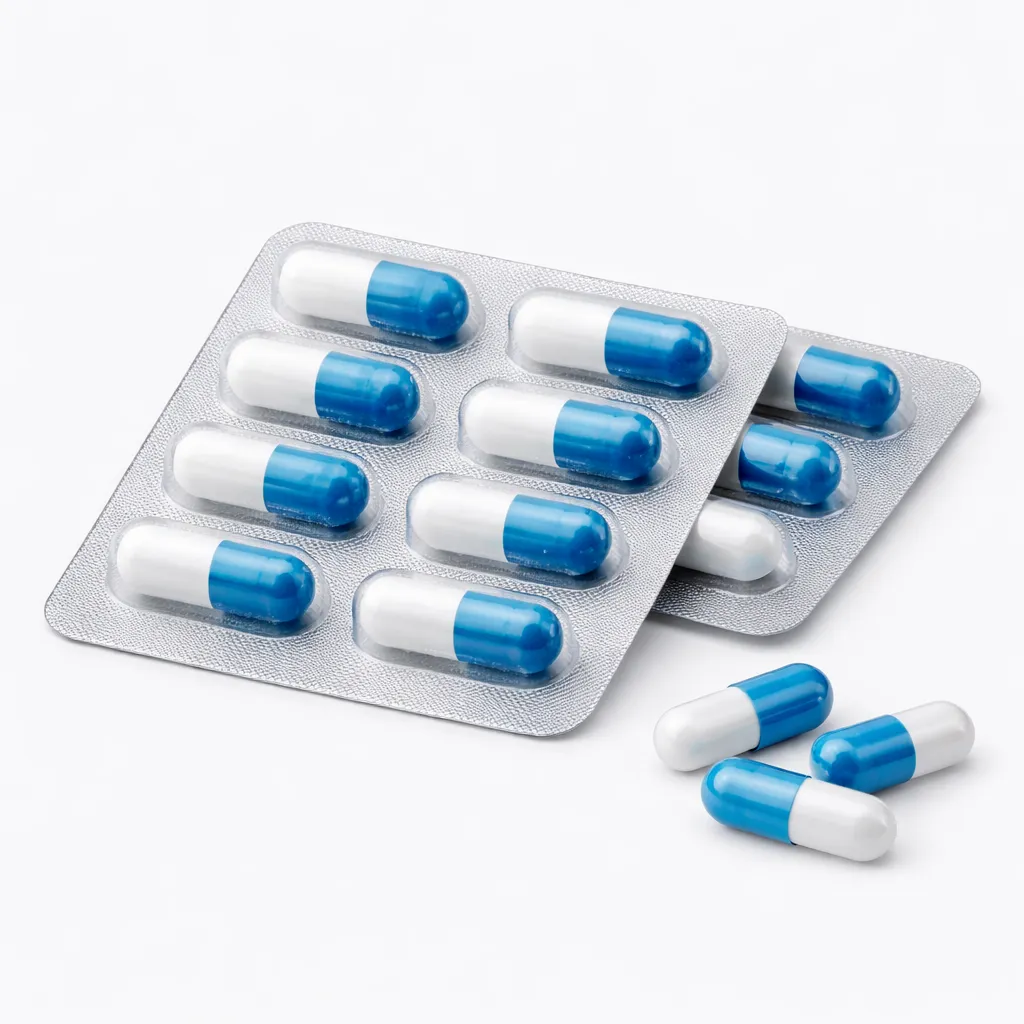
TRYPTOMER 25 MG (1X30)
Indications
TRYPTOMER 25 MG is primarily indicated for the treatment of major depressive disorder (MDD) in adults. It may also be prescribed for the management of generalized anxiety disorder (GAD), panic disorder, and certain types of chronic pain conditions. The active ingredient in Tryptomer, Amitriptyline, is a tricyclic antidepressant that helps to alleviate symptoms of depression and anxiety, improving the overall quality of life for patients. Additionally, it is sometimes utilized off-label for conditions such as insomnia and fibromyalgia.
Mechanism of Action
The mechanism of action of Tryptomer (Amitriptyline) involves the inhibition of the reuptake of neurotransmitters, particularly serotonin and norepinephrine, in the central nervous system. By blocking the transporters responsible for the reabsorption of these neurotransmitters, Tryptomer increases their availability in the synaptic cleft. This enhancement of neurotransmitter levels is believed to contribute to its antidepressant and anxiolytic effects. Furthermore, Amitriptyline also exhibits antagonistic activity at various receptors, including histamine H1 receptors and muscarinic acetylcholine receptors, which may contribute to its sedative properties.
Pharmacological Properties
TRYPTOMER 25 MG is characterized by its pharmacokinetic profile, which includes a relatively high oral bioavailability of approximately 30-60%. After administration, Amitriptyline is rapidly absorbed and reaches peak plasma concentrations within 4 to 8 hours. The drug is extensively metabolized in the liver, primarily by cytochrome P450 enzymes, leading to the formation of active metabolites such as nortriptyline. The elimination half-life of Amitriptyline ranges from 10 to 28 hours, allowing for once-daily dosing in most cases. The drug is excreted mainly in urine, both as unchanged drug and metabolites.
Contraindications
TRYPTOMER is contraindicated in patients with a known hypersensitivity to Amitriptyline or any of its components. It should not be used in individuals who have recently experienced a myocardial infarction or those with a history of arrhythmias. Additionally, concurrent use with monoamine oxidase inhibitors (MAOIs) is contraindicated due to the risk of severe hypertensive reactions. Patients with narrow-angle glaucoma, urinary retention, or severe liver impairment should also avoid this medication unless under strict medical supervision.
Side Effects
Common side effects associated with Tryptomer include sedation, dry mouth, blurred vision, constipation, and weight gain. These effects are often dose-dependent and may diminish over time as the body adjusts to the medication. Less common but more serious side effects may include cardiovascular events such as tachycardia, orthostatic hypotension, and arrhythmias. Patients may also experience mood changes, including increased anxiety or suicidal thoughts, particularly during the initial treatment phase or when doses are adjusted. It is essential for patients to report any concerning symptoms to their healthcare provider promptly.
Dosage and Administration
The recommended starting dose of Tryptomer for adults with major depressive disorder is typically 25 mg to 50 mg per day, administered orally. Depending on the patient’s response and tolerance, the dosage may be gradually increased, with a maximum daily dose of up to 300 mg for inpatient settings. For anxiety disorders, a lower starting dose may be appropriate, often beginning at 10 mg to 25 mg per day. It is advisable to take Tryptomer at bedtime due to its sedative effects. Dosage adjustments may be necessary for elderly patients or those with hepatic impairment.
Interactions
TRYPTOMER can interact with various medications, leading to potentially significant effects. Co-administration with other central nervous system depressants, such as alcohol, benzodiazepines, or opioids, may enhance sedative effects and increase the risk of respiratory depression. Additionally, drugs that affect the cytochrome P450 system, particularly CYP2D6 inhibitors, can alter the metabolism of Amitriptyline, leading to increased plasma levels and heightened side effects. Patients should inform their healthcare provider of all medications, supplements, and herbal products they are taking to avoid potential interactions.
Precautions
Prior to initiating treatment with Tryptomer, a thorough medical history should be obtained, focusing on any history of cardiovascular disease, seizures, or bipolar disorder. Caution is advised in prescribing Tryptomer to patients with a history of substance abuse or those at risk for suicidal ideation. Regular monitoring of weight, blood pressure, and mental health status is recommended during treatment. Abrupt discontinuation of Tryptomer should be avoided, as it may lead to withdrawal symptoms; a gradual tapering of the dose is advised when discontinuing therapy.
Clinical Studies
Numerous clinical studies have evaluated the efficacy and safety of Tryptomer in treating depression and anxiety disorders. A meta-analysis of randomized controlled trials demonstrated that Amitriptyline is effective in reducing depressive symptoms, with a response rate comparable to that of selective serotonin reuptake inhibitors (SSRIs). Furthermore, studies have indicated that Tryptomer can be beneficial in managing chronic pain conditions, including neuropathic pain and fibromyalgia. However, the side effect profile, particularly sedation and weight gain, necessitates careful consideration when selecting this medication for patients.
Conclusion
TRYPTOMER 25 MG is a valuable therapeutic option for the management of major depressive disorder and anxiety disorders. Its mechanism of action, pharmacological properties, and clinical efficacy make it a relevant choice in psychiatric practice. However, clinicians must remain vigilant regarding potential side effects, contraindications, and drug interactions. A comprehensive approach, including patient education and regular follow-up, is essential to optimize treatment outcomes and ensure patient safety.
Important
It is crucial to use Tryptomer responsibly and under the guidance of a healthcare professional. Patients should adhere to prescribed dosages and report any unusual symptoms or side effects to their doctor. Self-medication or abrupt discontinuation of the drug can lead to adverse effects. Always consult with a healthcare provider before making any changes to your medication regimen.