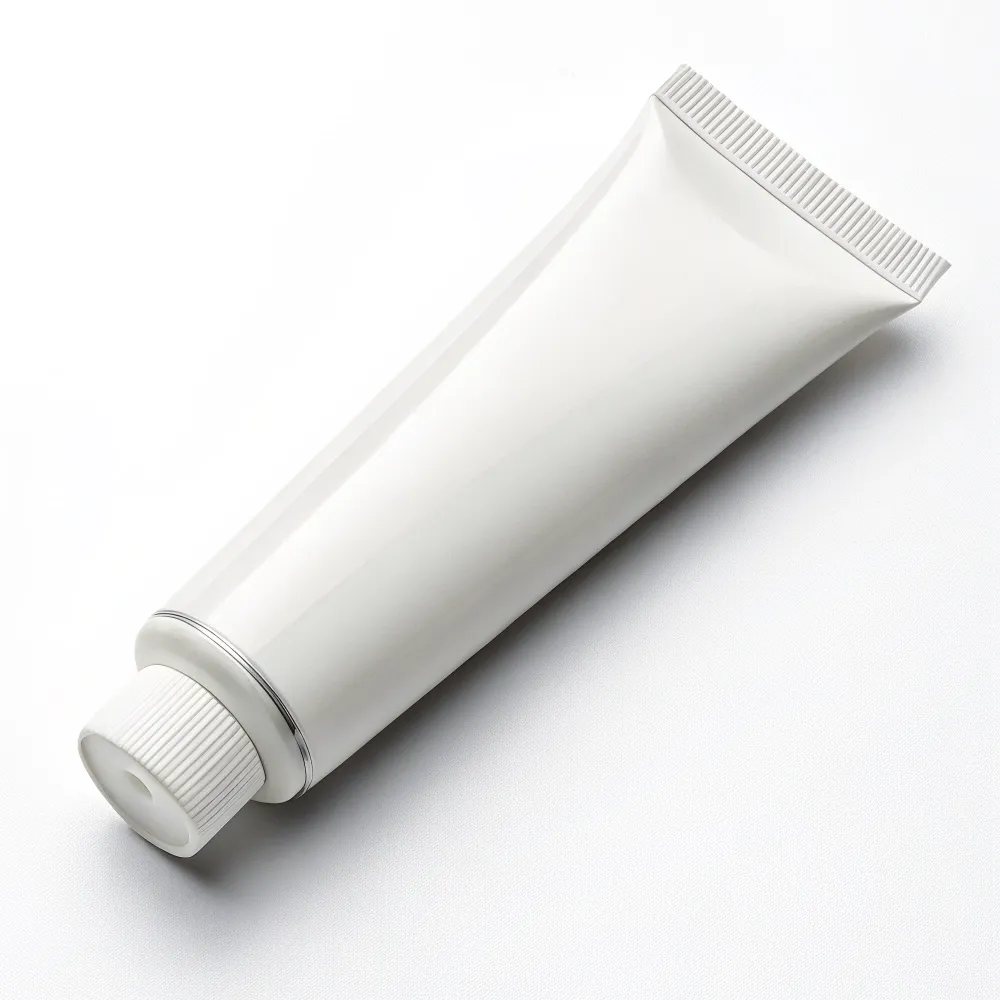
Description
TYRODIN CREAM 20GM
Indications
TYRODIN CREAM 20GM is primarily indicated for the treatment of various dermatological conditions. It is effective in managing skin infections caused by susceptible organisms, particularly those that respond to the active ingredients present in the formulation. Common indications include bacterial skin infections, inflammatory skin diseases, and conditions that may benefit from its antimicrobial properties. The cream may also be used as an adjunct therapy in the management of certain chronic skin conditions.
Mechanism of Action
The active ingredients in TYRODIN CREAM work synergistically to exert their therapeutic effects. The primary mechanism involves the inhibition of bacterial cell wall synthesis, leading to the disruption of bacterial growth and replication. Additionally, the cream may possess anti-inflammatory properties, which help to alleviate symptoms such as redness, swelling, and discomfort associated with skin conditions. By targeting both the infectious agents and the inflammatory response, TYRODIN CREAM provides a comprehensive approach to skin health.
Pharmacological Properties
TYRODIN CREAM contains a combination of active ingredients that contribute to its pharmacological profile. The cream is formulated for topical application, allowing for localized treatment of affected areas. The pharmacokinetics of the active ingredients indicate minimal systemic absorption, which reduces the risk of systemic side effects. The cream exhibits broad-spectrum antimicrobial activity, making it effective against a range of gram-positive and gram-negative bacteria. Furthermore, its anti-inflammatory properties enhance its efficacy in treating inflammatory skin conditions.
Contraindications
TYRODIN CREAM is contraindicated in individuals with a known hypersensitivity to any of the components of the formulation. Patients with a history of allergic reactions to similar medications should avoid using this product. Additionally, the cream should not be applied to open wounds, mucous membranes, or areas of broken skin, as this may increase the risk of adverse reactions. Caution is also advised in patients with specific dermatological conditions that may be exacerbated by topical agents.
Side Effects
While TYRODIN CREAM is generally well-tolerated, some users may experience side effects. Common side effects include localized irritation, redness, and itching at the application site. In rare cases, allergic reactions may occur, presenting as rash, swelling, or difficulty breathing. If any severe side effects are observed, it is crucial to discontinue use and seek medical attention promptly. Long-term use of topical antimicrobial agents may lead to the development of resistant strains of bacteria, which can complicate treatment.
Dosage and Administration
TYRODIN CREAM should be applied as directed by a healthcare professional. Typically, a thin layer of the cream is applied to the affected area two to three times daily, depending on the severity of the condition being treated. It is essential to cleanse the area before application to ensure optimal absorption and effectiveness. Patients should be advised to wash their hands after applying the cream to avoid unintentional contact with other areas of the body or with other individuals. Duration of therapy may vary based on the clinical response and the specific condition being treated.
Interactions
There are limited known drug interactions associated with TYRODIN CREAM due to its topical application and minimal systemic absorption. However, patients should inform their healthcare provider about all medications they are currently taking, including over-the-counter products and supplements. Caution should be exercised when using other topical agents concurrently, as this may increase the risk of skin irritation or reduce the efficacy of the treatment. It is advisable to consult a healthcare professional before combining TYRODIN CREAM with other topical therapies.
Precautions
Patients using TYRODIN CREAM should be advised to follow specific precautions to enhance safety and efficacy. It is important to avoid contact with the eyes, nose, and mouth during application. If accidental contact occurs, the area should be rinsed thoroughly with water. Individuals with a history of skin sensitivities or allergies should perform a patch test prior to widespread use. Pregnant or breastfeeding women should consult their healthcare provider before using TYRODIN CREAM to ensure it is appropriate for their situation. Additionally, patients should be monitored for signs of secondary infections or resistance during treatment.
Clinical Studies
Clinical studies evaluating the efficacy and safety of TYRODIN CREAM have demonstrated its effectiveness in treating various skin infections and inflammatory conditions. Research has shown that the cream significantly reduces symptoms such as redness, swelling, and pain, with a favorable safety profile. Comparative studies with other topical agents have indicated that TYRODIN CREAM provides similar or superior outcomes in terms of healing time and overall patient satisfaction. Ongoing research continues to explore the full potential of this formulation in dermatological therapy.
Conclusion
TYRODIN CREAM 20GM is a valuable therapeutic option for managing a range of dermatological conditions. Its dual action against microbial infections and inflammation makes it a versatile choice for healthcare providers. While generally safe and effective, it is essential for patients to use the cream as directed and to be aware of potential side effects and contraindications. With proper use and monitoring, TYRODIN CREAM can significantly improve skin health and quality of life for those affected by skin disorders.
Important
It is crucial to use TYRODIN CREAM responsibly and only as directed by a healthcare professional. Patients should be aware of their individual health conditions and consult with their provider regarding any concerns or questions about the use of this product.