Description
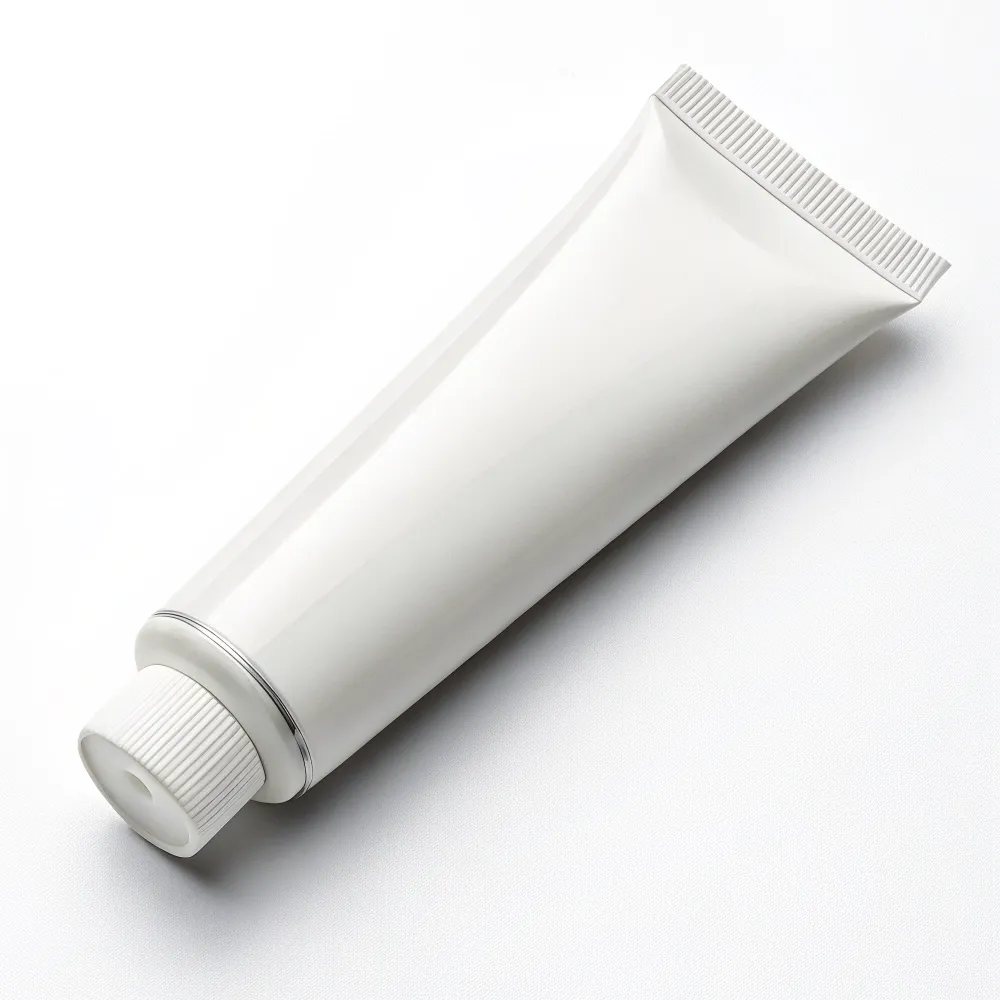
TYZA CREAM 30GM
Indications
TYZA CREAM 30GM is primarily indicated for the treatment of various dermatological conditions, including but not limited to psoriasis, eczema, and dermatitis. It is formulated to alleviate symptoms such as itching, redness, and inflammation associated with these skin disorders. The cream may also be used as an adjunct therapy in managing certain inflammatory skin conditions, providing symptomatic relief and improving the overall quality of life for patients suffering from chronic skin issues.
Mechanism of Action
TYZA CREAM contains active ingredients that work synergistically to exert their therapeutic effects on the skin. The primary mechanism involves the inhibition of inflammatory mediators and the modulation of immune responses in the affected area. By targeting specific pathways involved in the inflammatory process, TYZA CREAM helps to reduce the proliferation of skin cells, thereby alleviating the symptoms of hyperproliferative skin disorders. Additionally, the cream may promote skin hydration and barrier function, further contributing to its efficacy in treating various skin conditions.
Pharmacological Properties
TYZA CREAM exhibits a range of pharmacological properties that enhance its therapeutic profile. Its anti-inflammatory action is primarily attributed to its ability to inhibit cytokine production and reduce leukocyte infiltration in the skin. The cream also possesses emollient properties, which help to restore moisture to dry and irritated skin. This dual action not only helps in reducing inflammation but also aids in the repair and maintenance of the skin barrier. Furthermore, the cream is designed for topical application, allowing for localized treatment with minimal systemic absorption, thus reducing the risk of systemic side effects.
Contraindications
TYZA CREAM is contraindicated in individuals with known hypersensitivity to any of its components. Patients with a history of allergic reactions to similar topical formulations should avoid using this product. Additionally, TYZA CREAM should not be applied to open wounds, infected areas, or mucous membranes, as this may exacerbate irritation or lead to secondary infections. Caution is also advised in patients with a history of skin conditions that may worsen with topical corticosteroids or other active ingredients present in the cream.
Side Effects
While TYZA CREAM is generally well-tolerated, some patients may experience side effects. Common side effects include localized burning, stinging, or itching at the application site. In rare cases, allergic reactions may occur, presenting as rash, swelling, or difficulty breathing. Prolonged use of topical corticosteroids may lead to skin thinning, striae, or telangiectasia. It is important for patients to monitor their skin for any adverse reactions and consult a healthcare provider if any severe side effects occur.
Dosage and Administration
TYZA CREAM should be applied to the affected area of the skin as directed by a healthcare professional. Typically, a thin layer of the cream is applied once or twice daily, depending on the severity of the condition and the patient’s response to treatment. It is advisable to gently massage the cream into the skin until fully absorbed. Patients should avoid occlusive dressings unless instructed by a healthcare provider, as this may increase the risk of systemic absorption and side effects. The duration of treatment should be determined by a healthcare professional based on individual patient needs and response to therapy.
Interactions
There are limited known drug interactions associated with TYZA CREAM when applied topically. However, caution should be exercised when used concurrently with other topical products, particularly those containing corticosteroids or other potent anti-inflammatory agents, as this may increase the risk of local side effects. Patients should inform their healthcare provider of all medications, including over-the-counter products and herbal supplements, to ensure safe and effective use of TYZA CREAM.
Precautions
Before using TYZA CREAM, patients should discuss their medical history with their healthcare provider, particularly if they have a history of skin conditions, allergies, or other underlying health issues. It is essential to avoid contact with the eyes and mucous membranes, as this may lead to irritation. Pregnant or breastfeeding women should consult their healthcare provider before using this product to weigh the potential benefits against any risks. Additionally, patients should be advised not to use TYZA CREAM for prolonged periods without medical supervision, as this may lead to adverse effects.
Clinical Studies
Clinical studies evaluating the efficacy and safety of TYZA CREAM have demonstrated its effectiveness in reducing the symptoms of various inflammatory skin conditions. In controlled trials, patients using TYZA CREAM reported significant improvements in skin appearance, reduction in itching, and overall satisfaction with treatment. The studies also highlighted the favorable safety profile of the cream, with most side effects being mild and transient. Ongoing research continues to explore the long-term effects and potential additional uses of TYZA CREAM in dermatology.
Conclusion
TYZA CREAM 30GM is a valuable therapeutic option for individuals suffering from inflammatory skin conditions such as psoriasis and eczema. Its unique formulation provides targeted relief from symptoms while promoting skin health. With a well-established safety profile and positive clinical outcomes, TYZA CREAM is an effective choice for managing chronic skin disorders. Patients are encouraged to follow their healthcare provider’s instructions for use to maximize the benefits of this treatment.
Important
It is crucial to use TYZA CREAM responsibly and as directed by a healthcare professional. Patients should be aware of potential side effects and contraindications, and should not hesitate to seek medical advice if they have concerns regarding their treatment.