Description
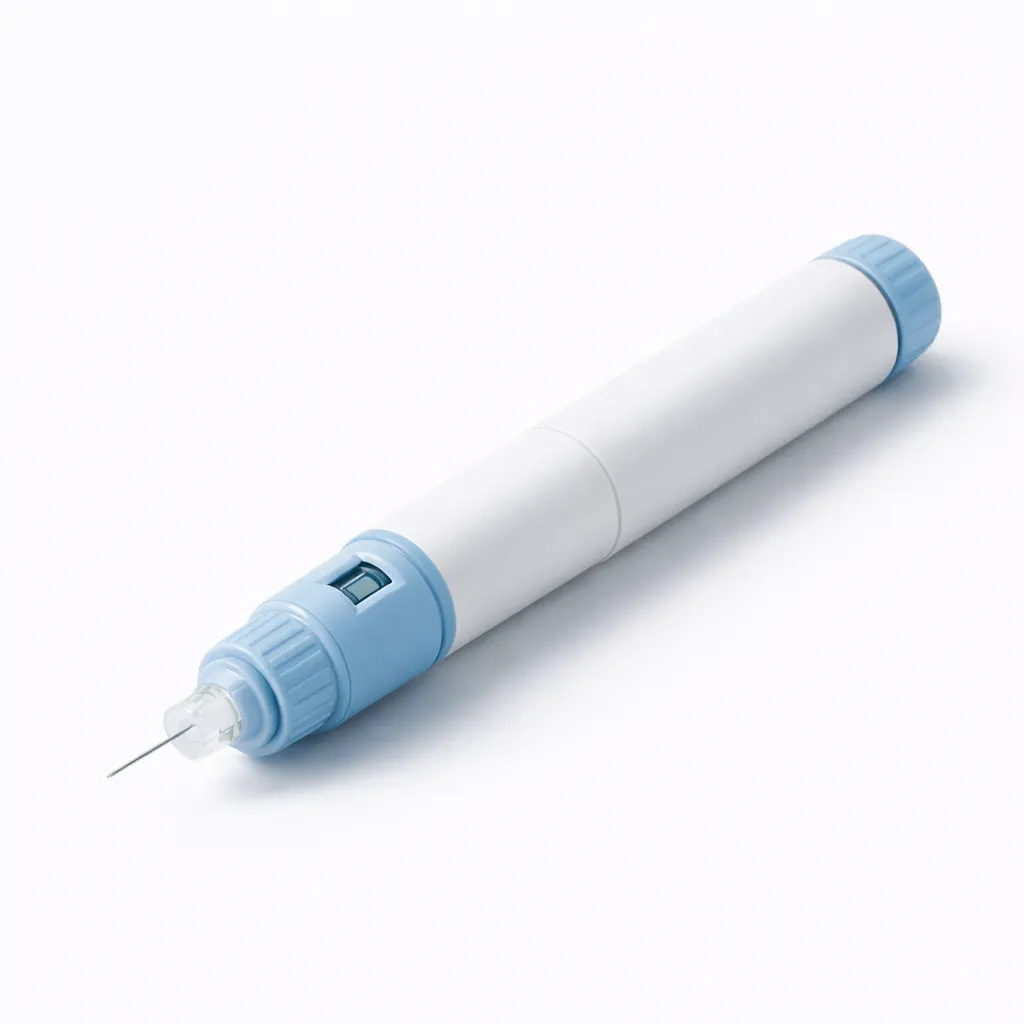
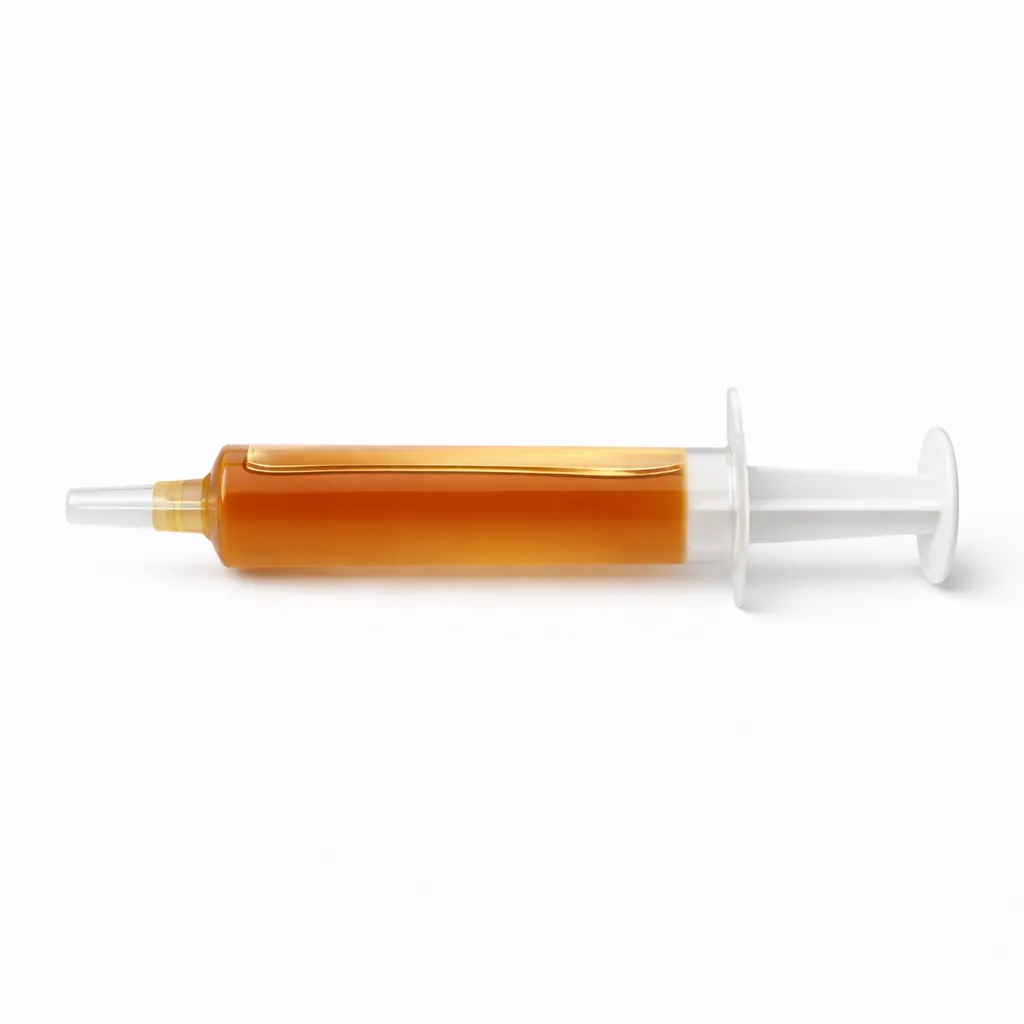
U 40 SYRINGE 1ML
Indications
The U 40 syringe 1ml is primarily indicated for the administration of insulin, particularly U-40 insulin formulations. This syringe is specifically designed for use with insulin that has a concentration of 40 units per milliliter (U-40). It is commonly utilized by individuals with diabetes mellitus who require precise dosing of insulin to manage their blood glucose levels effectively. The U 40 syringe is particularly beneficial for pediatric patients or those requiring smaller doses of insulin due to its accurate measurement capabilities.
Mechanism of Action
Insulin, the active substance administered via the U 40 syringe, functions by facilitating the uptake of glucose into the cells, thereby lowering blood glucose levels. It achieves this by promoting the translocation of glucose transporter proteins to the cell membrane and enhancing glycogen synthesis in the liver and muscle tissues. Additionally, insulin inhibits gluconeogenesis and lipolysis, contributing to its overall hypoglycemic effect. The U 40 syringe allows for precise delivery of insulin, ensuring that patients receive the correct dosage necessary for optimal glycemic control.
Pharmacological Properties
The pharmacological properties of U-40 insulin include its rapid onset of action, peak activity, and duration of effect, which vary depending on the specific formulation (e.g., regular, NPH, or premixed insulins). U-40 insulin typically has a slower onset and longer duration compared to regular insulin, making it suitable for patients who require a more prolonged glycemic control. The U 40 syringe is calibrated specifically for this concentration, allowing healthcare providers and patients to administer insulin accurately and safely.
Contraindications
The use of the U 40 syringe is contraindicated in patients who are hypersensitive to insulin or any of the excipients present in the formulation. Additionally, it is not recommended for individuals experiencing hypoglycemia, as administering insulin in such conditions can exacerbate the situation and lead to severe complications. Patients with certain endocrine disorders, such as adrenal insufficiency or hyperthyroidism, should also use caution when using insulin, as these conditions can affect insulin metabolism and action.
Side Effects
The administration of insulin via the U 40 syringe may lead to several side effects, the most common being hypoglycemia, which can manifest as dizziness, sweating, confusion, and palpitations. Other potential side effects include local reactions at the injection site, such as redness, swelling, or itching. In rare cases, patients may experience lipodystrophy, which is the abnormal distribution of fat due to repeated injections in the same area. It is essential for patients to monitor their blood glucose levels regularly and report any adverse effects to their healthcare provider.
Dosage and Administration
The dosage of U-40 insulin administered via the U 40 syringe should be individualized based on the patient’s specific needs, blood glucose levels, and dietary habits. It is crucial for patients to follow their healthcare provider’s instructions regarding dosage adjustments. The U 40 syringe is designed for single-use, and patients should be educated on proper injection techniques, including site rotation to minimize the risk of lipodystrophy. The syringe should be stored at room temperature and protected from light to maintain the integrity of the insulin.
Interactions
Insulin administered through the U 40 syringe may interact with various medications, potentially affecting blood glucose levels. Certain drugs, such as corticosteroids, thiazide diuretics, and beta-blockers, can increase blood glucose levels and may necessitate adjustments in insulin dosage. Conversely, medications like sulfonylureas or alcohol can enhance the hypoglycemic effect of insulin, increasing the risk of hypoglycemia. Patients should inform their healthcare providers of all medications they are taking to ensure safe and effective diabetes management.
Precautions
Patients using the U 40 syringe should exercise caution in several scenarios. It is essential to monitor blood glucose levels frequently, especially during times of illness, stress, or changes in diet. Patients should also be aware of the signs and symptoms of hypoglycemia and have a plan in place for managing low blood sugar episodes. Additionally, individuals with renal or hepatic impairment may require closer monitoring and dosage adjustments, as these conditions can affect insulin metabolism and clearance. Proper training in the use of the U 40 syringe and injection techniques is crucial for ensuring patient safety and efficacy.
Clinical Studies
Clinical studies have demonstrated the efficacy of U-40 insulin in managing blood glucose levels in patients with diabetes. Research indicates that patients using U-40 insulin administered via appropriate syringes experience significant improvements in glycemic control compared to those using higher concentrations without proper dosing. Studies have also shown that the use of U 40 syringes can reduce the incidence of dosing errors, leading to better overall diabetes management and fewer complications associated with hypoglycemia and hyperglycemia. These findings underscore the importance of using the correct syringe for insulin administration.
Conclusion
The U 40 syringe 1ml is a vital tool for individuals with diabetes who require precise dosing of U-40 insulin. Its design facilitates accurate administration, thereby enhancing glycemic control and reducing the risk of complications associated with improper dosing. Patients must be educated on the proper use of the U 40 syringe, including dosage adjustments, injection techniques, and monitoring for side effects. With responsible use and adherence to medical advice, the U 40 syringe can significantly contribute to effective diabetes management and improved quality of life for patients.
Important
It is crucial to use the U 40 syringe responsibly and under the guidance of a healthcare professional. Proper education on insulin administration and monitoring is essential for safe and effective diabetes management.