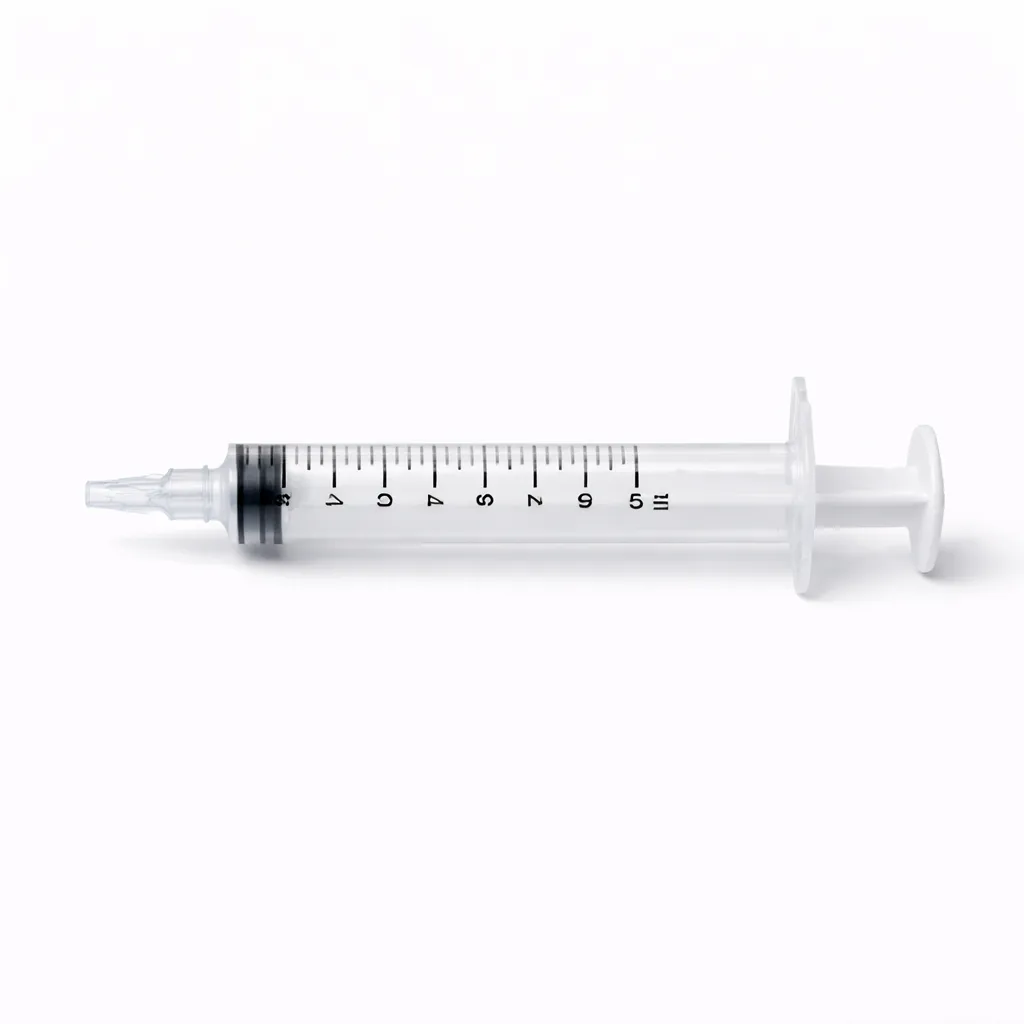
Description
VALCLOVIR 1000 MG
Indications
Valcyclovir, marketed under the brand name Valcovir, is an antiviral medication primarily indicated for the treatment of infections caused by certain types of viruses. It is most commonly used for the management of herpes simplex virus (HSV) infections, including genital herpes, as well as for the treatment of shingles (herpes zoster) and cold sores (herpes labialis). Additionally, Valcovir is indicated for the prevention of cytomegalovirus (CMV) infection in immunocompromised patients, particularly those undergoing organ transplantation.
Mechanism of Action
Valcyclovir is a prodrug that is converted in the body to acyclovir, an antiviral agent that inhibits viral DNA synthesis. Acyclovir selectively targets the viral enzyme thymidine kinase, which is essential for the phosphorylation of the drug to its active form. Once phosphorylated, acyclovir is incorporated into the viral DNA, leading to chain termination and preventing further viral replication. This mechanism effectively reduces the viral load in the body, alleviating symptoms and promoting healing in infected tissues.
Pharmacological Properties
Valcyclovir is rapidly absorbed and converted to acyclovir after oral administration, with peak plasma concentrations occurring within 1.5 to 2 hours. The bioavailability of valcyclovir is approximately 55% when taken orally. The drug is widely distributed in body tissues and fluids, including the central nervous system, and has a volume of distribution of approximately 0.6 L/kg. Valcyclovir and its active metabolite, acyclovir, are primarily excreted via the kidneys, with about 62-91% of the dose eliminated in urine within 24 hours. The half-life of acyclovir in patients with normal renal function is approximately 2.5 to 3 hours.
Contraindications
Valcovir is contraindicated in patients with a known hypersensitivity to valacyclovir, acyclovir, or any of the excipients in the formulation. Caution should be exercised in patients with a history of renal impairment, dehydration, or neurological disorders, as these conditions may increase the risk of adverse effects associated with the medication.
Side Effects
Common side effects of Valcovir may include headache, nausea, diarrhea, and abdominal pain. More serious side effects, although rare, can occur and may include renal impairment, neurological effects such as tremors or confusion, and hypersensitivity reactions. Patients should be advised to report any unusual symptoms or severe side effects to their healthcare provider promptly.
Dosage and Administration
The recommended dosage of Valcovir varies depending on the indication and the patient’s renal function. For the treatment of initial episodes of genital herpes, the typical dosage is 1000 mg taken orally three times a day for 7 to 10 days. For recurrent episodes, the dosage is usually 500 mg taken orally twice a day for 3 to 5 days. In the case of herpes zoster, the recommended dosage is 1000 mg taken orally three times a day for 7 days. For the prevention of CMV infection in transplant patients, the dosage may be adjusted based on the patient’s specific circumstances and renal function.
Interactions
Valcovir may interact with other medications, particularly those that affect renal function or are nephrotoxic. Co-administration with drugs such as probenecid, cimetidine, and certain diuretics may increase the risk of acyclovir-related toxicity. It is essential for healthcare providers to review a patient’s complete medication list to avoid potential interactions that could compromise safety or efficacy.
Precautions
Patients should be advised to stay well-hydrated during treatment with Valcovir to minimize the risk of renal impairment. Special caution is warranted in elderly patients and those with pre-existing renal conditions. Additionally, Valcovir should be used with caution in patients with a history of neurological disorders, as there is an increased risk of neurotoxicity. It is important to monitor renal function periodically during treatment, especially in patients receiving high doses or prolonged therapy.
Clinical Studies
Numerous clinical studies have demonstrated the efficacy of Valcovir in treating various herpes virus infections. In a randomized controlled trial, patients with recurrent genital herpes treated with Valcovir showed a significant reduction in the frequency of outbreaks compared to placebo. Another study highlighted the effectiveness of Valcovir in reducing the severity and duration of herpes zoster symptoms. Furthermore, clinical trials have established Valcovir’s role in preventing CMV infection in high-risk transplant patients, showing a marked decrease in the incidence of CMV disease when compared to placebo.
Conclusion
Valcovir 1000 mg is a potent antiviral medication indicated for the treatment of herpes virus infections and the prevention of cytomegalovirus in immunocompromised patients. Its mechanism of action, pharmacological properties, and clinical efficacy make it a valuable option in managing viral infections. However, careful consideration of contraindications, potential side effects, and drug interactions is essential to ensure safe and effective use. Patients should be well-informed about the importance of hydration and monitoring renal function during therapy. Overall, Valcovir represents a significant advancement in the treatment of herpes virus-related conditions.
Important
It is crucial to use Valcovir responsibly and only under the guidance of a qualified healthcare professional. Patients should adhere to prescribed dosages and report any adverse effects or concerns to their healthcare provider promptly.