
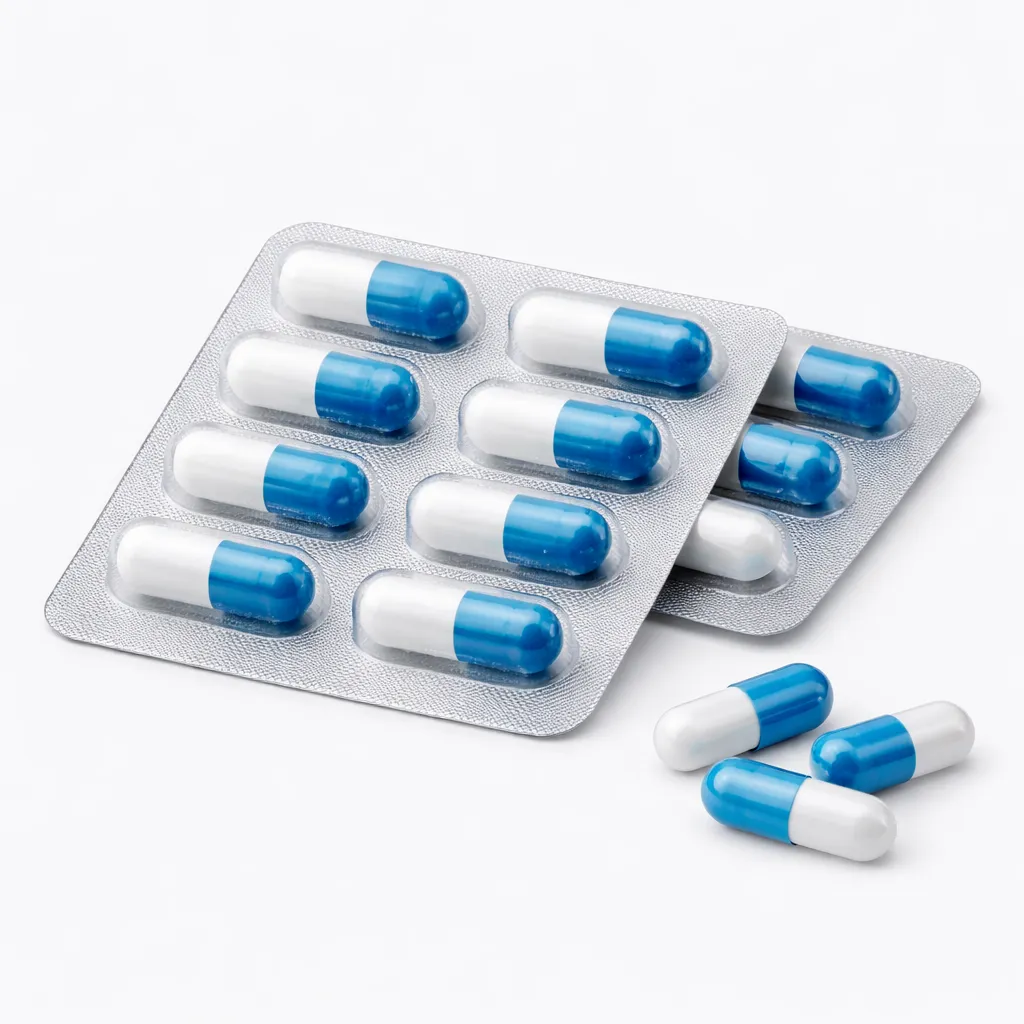
Description
ZIPSYDON 40 MG
Indications
Zipsydon 40 mg, containing the active ingredient ziprasidone, is primarily indicated for the treatment of schizophrenia and bipolar disorder. It is effective in managing acute manic or mixed episodes associated with bipolar I disorder in adults. Zipsydon is also used as an adjunctive treatment for major depressive disorder in combination with other medications. Its efficacy in these conditions makes it a valuable option for patients requiring antipsychotic therapy.
Mechanism of Action
The precise mechanism of action of ziprasidone is not fully understood; however, it is believed to involve a combination of serotonin and dopamine receptor antagonism. Ziprasidone has a high affinity for serotonin receptors, particularly 5-HT2A and 5-HT2C, and a moderate affinity for dopamine D2 receptors. This dual action helps to balance the neurotransmitter systems in the brain, which may contribute to its antipsychotic effects. Additionally, ziprasidone exhibits activity at various other receptors, including alpha-adrenergic and histaminergic receptors, which may influence its side effect profile.
Pharmacological Properties
Ziprasidone is classified as an atypical antipsychotic. It is well-absorbed following oral administration, with peak plasma concentrations occurring approximately 1 to 3 hours after dosing. The bioavailability of ziprasidone is significantly increased when taken with food, which is an important consideration for patients. The drug is extensively metabolized in the liver, primarily by the cytochrome P450 3A4 enzyme, and has a half-life of about 5 to 10 hours. Ziprasidone is excreted mainly in the urine as metabolites, with less than 1% of the dose being eliminated unchanged.
Contraindications
Zipsydon 40 mg is contraindicated in patients with a known hypersensitivity to ziprasidone or any of its components. It should not be used in patients with a history of QT prolongation, congenital long QT syndrome, or those who are concurrently using other medications that can prolong the QT interval. Additionally, it is contraindicated in patients with severe hepatic impairment. Caution is advised when prescribing to individuals with a history of cardiovascular disease, as ziprasidone may affect cardiac conduction.
Side Effects
Like all medications, Zipsydon 40 mg may cause side effects. Common side effects include sedation, dizziness, nausea, and akathisia. Other potential side effects may include extrapyramidal symptoms (EPS), weight gain, and metabolic changes. Serious side effects, though less common, can include tardive dyskinesia, neuroleptic malignant syndrome (NMS), and significant cardiovascular effects such as arrhythmias. Patients should be monitored regularly for any adverse effects, and any concerning symptoms should be reported to a healthcare provider immediately.
Dosage and Administration
The recommended starting dose of Zipsydon for adults is typically 40 mg taken twice daily, with or without food. Depending on the patient’s response and tolerability, the dose may be adjusted. The maximum recommended dose is 160 mg per day. It is essential for patients to adhere to the prescribed dosage and not to discontinue the medication abruptly without consulting their healthcare provider, as this may lead to withdrawal symptoms or exacerbation of the underlying condition.
Interactions
Ziprasidone may interact with various medications, which can affect its efficacy and safety. Co-administration with other drugs that prolong the QT interval, such as certain antiarrhythmics, antidepressants, and antipsychotics, should be avoided. Additionally, medications that induce or inhibit the CYP3A4 enzyme can alter ziprasidone levels in the body. It is crucial for healthcare providers to review a patient’s complete medication list to identify potential interactions and adjust treatment as necessary.
Precautions
Before initiating treatment with Zipsydon, a thorough medical history and physical examination should be conducted. Special precautions should be taken in patients with a history of seizures, cardiovascular disease, or those at risk for dehydration. Additionally, patients should be monitored for signs of metabolic syndrome, including weight gain, dyslipidemia, and hyperglycemia. It is also important to assess for any signs of EPS or NMS during treatment. Pregnant and breastfeeding women should discuss the risks and benefits of Zipsydon with their healthcare provider before use.
Clinical Studies
Clinical studies have demonstrated the efficacy of ziprasidone in treating schizophrenia and bipolar disorder. In randomized controlled trials, ziprasidone has shown significant improvements in psychotic symptoms compared to placebo. Furthermore, studies have indicated that ziprasidone is associated with a lower risk of weight gain compared to some other atypical antipsychotics, making it a favorable option for many patients. Long-term studies have also suggested that ziprasidone maintains its efficacy over extended periods while presenting a manageable side effect profile.
Conclusion
Zipsydon 40 mg is an effective treatment option for individuals suffering from schizophrenia and bipolar disorder. Its unique pharmacological properties and mechanism of action make it a valuable addition to the range of available antipsychotic medications. However, careful consideration of contraindications, potential side effects, and drug interactions is essential for safe and effective treatment. Patients should be closely monitored throughout their therapy to ensure optimal outcomes and minimize risks.
Important
It is crucial to use Zipsydon 40 mg responsibly and under the guidance of a qualified healthcare provider. Patients should be informed about the importance of adhering to prescribed dosages and attending regular follow-up appointments. Any concerns or side effects should be promptly discussed with a healthcare professional.

