
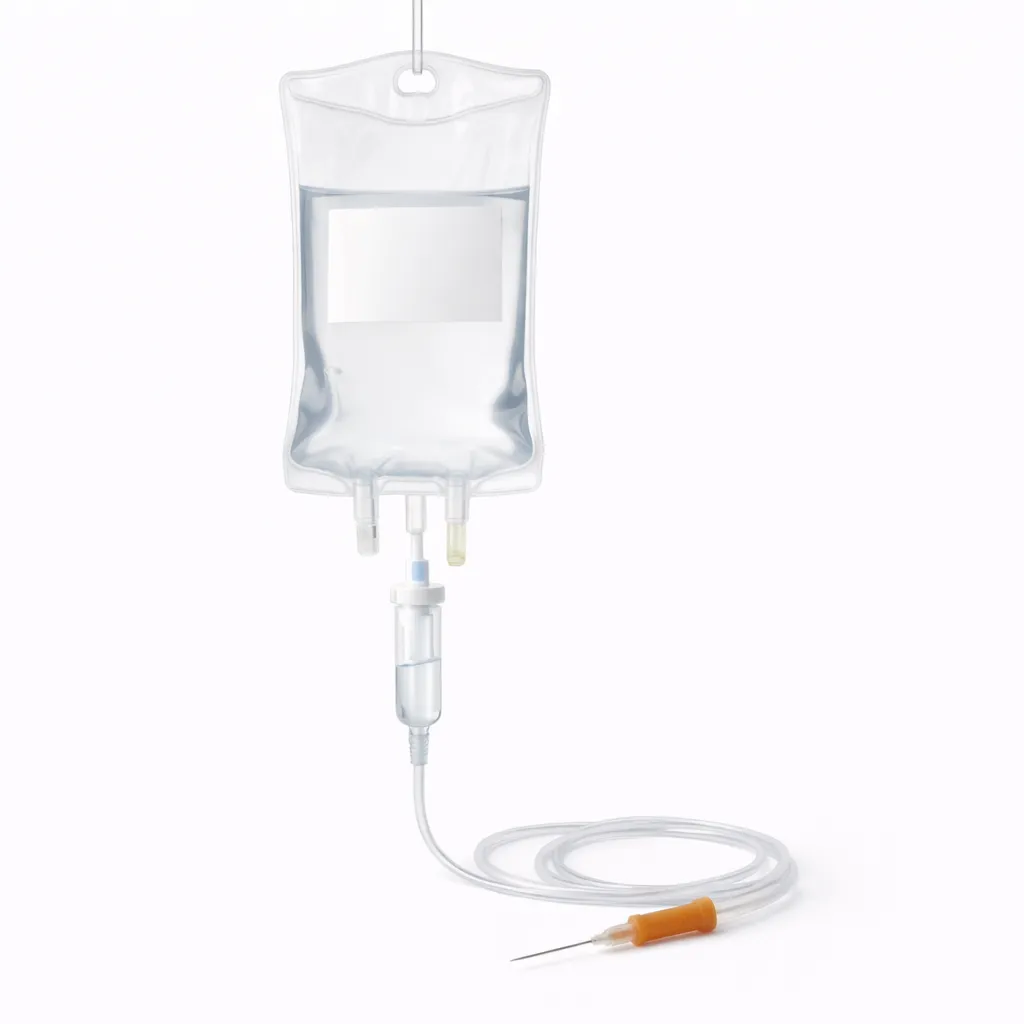
Description
ABARIS I.V.N.S 100ML
Indications
ABARIS I.V.N.S 100ML is primarily indicated for the administration of intravenous fluid therapy in patients requiring hydration and electrolyte balance. It is particularly beneficial in situations where patients are unable to take oral fluids, such as during surgery, in cases of severe dehydration, or in critical care settings. The formulation provides essential electrolytes and carbohydrates, making it suitable for various clinical scenarios, including postoperative recovery, trauma care, and management of patients with metabolic imbalances.
Mechanism of Action
The active components of ABARIS I.V.N.S 100ML include Sodium Chloride and Dextrose. Sodium Chloride acts as an electrolyte, helping to maintain osmotic balance and proper hydration in the body. It plays a crucial role in nerve impulse transmission and muscle contraction. Dextrose, a simple sugar, serves as a source of energy, readily metabolized by the body to support cellular functions. Together, these components work synergistically to restore fluid balance and provide energy, particularly in patients experiencing hypoglycemia or those in a catabolic state.
Pharmacological Properties
ABARIS I.V.N.S 100ML exhibits pharmacokinetic properties that facilitate rapid absorption and distribution within the body. Upon intravenous administration, the solution quickly enters the bloodstream, allowing for immediate physiological effects. Sodium Chloride maintains plasma osmolality, while Dextrose is metabolized to glucose, providing an immediate source of energy. The pharmacodynamics of this solution are characterized by its ability to restore electrolyte levels and glucose concentrations, essential for maintaining homeostasis in critically ill patients.
Contraindications
ABARIS I.V.N.S 100ML is contraindicated in patients with known hypersensitivity to any of its components. It should also be avoided in individuals with conditions such as hypernatremia, severe renal impairment, or congestive heart failure, where fluid overload could exacerbate the clinical situation. Additionally, caution is advised in patients with diabetes mellitus, as the Dextrose content may affect blood glucose levels.
Side Effects
The administration of ABARIS I.V.N.S 100ML may lead to several side effects, although they are generally mild and transient. Potential adverse reactions include localized venous irritation at the injection site, fluid overload, and electrolyte imbalances. In rare cases, patients may experience allergic reactions, such as rash or urticaria. Continuous monitoring of electrolyte levels and fluid status is recommended to mitigate these risks.
Dosage and Administration
The dosage of ABARIS I.V.N.S 100ML should be individualized based on the patient’s clinical condition, age, weight, and specific needs. Typically, it is administered intravenously at a rate determined by the healthcare provider. In general, the infusion rate may range from 50 to 150 mL per hour, depending on the severity of dehydration and the patient’s response to treatment. It is crucial to monitor the patient closely for signs of fluid overload or electrolyte disturbances during administration.
Interactions
ABARIS I.V.N.S 100ML may interact with other medications, particularly those affecting electrolyte balance or glucose metabolism. Caution should be exercised when administering this solution alongside diuretics, corticosteroids, or medications that can alter renal function. Healthcare providers should review the patient’s medication history to identify potential interactions that could impact treatment outcomes.
Precautions
Prior to administration of ABARIS I.V.N.S 100ML, a thorough assessment of the patient’s medical history and current condition is essential. Special precautions should be taken in patients with renal impairment, heart failure, or those who are elderly, as they may be more susceptible to fluid overload and electrolyte imbalances. Regular monitoring of vital signs, fluid intake and output, and laboratory values is recommended to ensure safe and effective use of this intravenous solution.
Clinical Studies
Clinical studies have demonstrated the efficacy of intravenous fluid therapy in managing dehydration and electrolyte imbalances. Research indicates that solutions containing Sodium Chloride and Dextrose can effectively restore fluid balance in patients undergoing surgery or experiencing acute illness. Studies have shown that timely administration of such solutions can improve patient outcomes by preventing complications associated with dehydration and electrolyte disturbances. Further research continues to explore optimal administration protocols and patient-specific factors influencing treatment success.
Conclusion
ABARIS I.V.N.S 100ML is a vital intravenous solution designed to provide hydration and restore electrolyte balance in patients requiring medical intervention. Its formulation of Sodium Chloride and Dextrose offers both immediate energy and essential electrolytes, making it a critical component in various clinical settings. While generally safe, careful consideration of contraindications, potential side effects, and patient-specific factors is necessary to optimize therapeutic outcomes. As with all medical treatments, ongoing monitoring and assessment are key to ensuring the safe and effective use of ABARIS I.V.N.S 100ML in clinical practice.
Important
Responsible medical use of ABARIS I.V.N.S 100ML is essential. It should be administered by qualified healthcare professionals in appropriate clinical settings to ensure patient safety and optimal therapeutic outcomes.


