
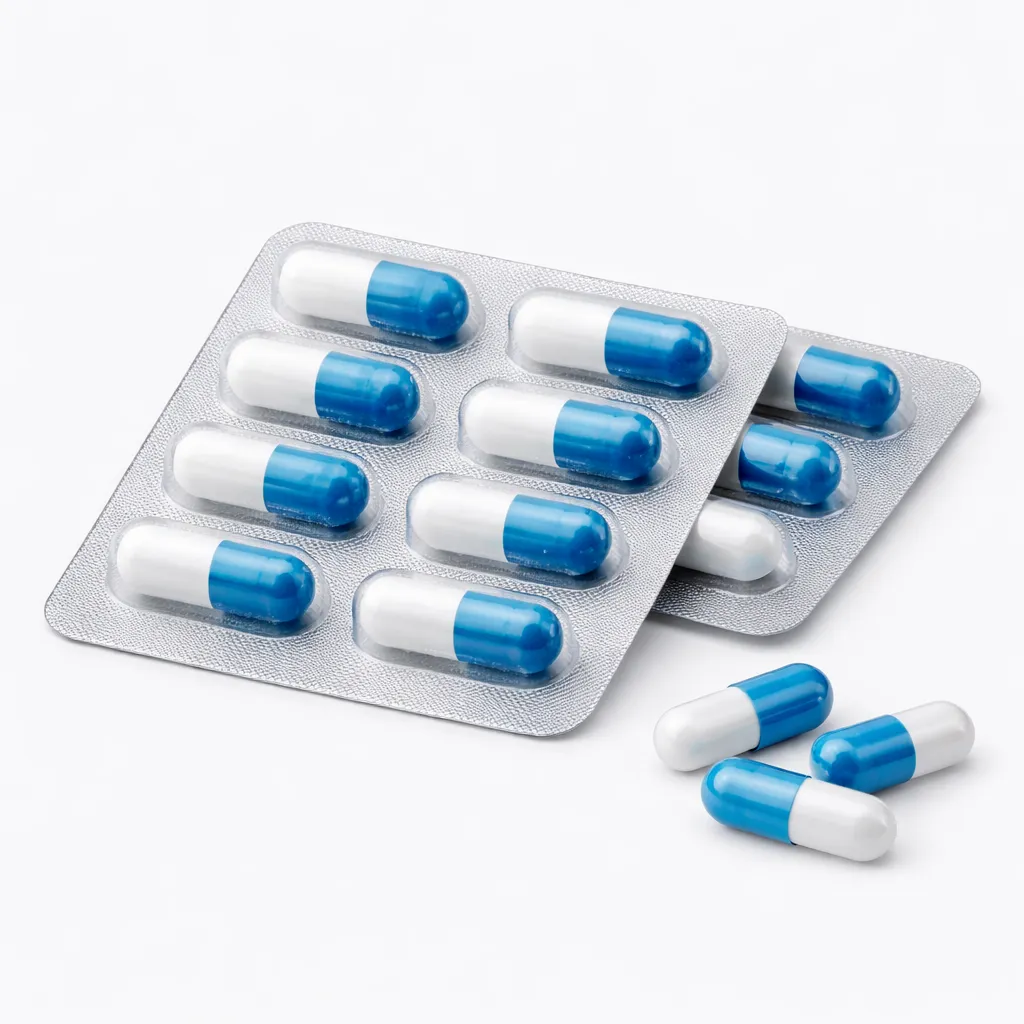
Description
ACUTRET 20MG
Indications
ACUTRET 20MG is primarily indicated for the treatment of severe forms of acne, particularly nodular acne that has not responded to conventional therapies. It is also utilized in the management of other dermatological conditions such as psoriasis and certain types of keratosis. The active ingredient, isotretinoin, is a retinoid that works by reducing sebaceous gland activity, thereby decreasing sebum production and promoting skin cell turnover.
Mechanism of Action
Isotretinoin, the active compound in ACUTRET 20MG, functions by modulating the growth and differentiation of epithelial cells. It acts on the retinoic acid receptors in the skin, leading to a reduction in the size and activity of sebaceous glands. This action results in decreased sebum production, which is a key factor in the development of acne. Furthermore, isotretinoin has anti-inflammatory properties that help to reduce the inflammatory response associated with acne lesions. By promoting the normalization of keratinization in hair follicles, ACUTRET also helps to prevent the formation of comedones, which are precursors to acne lesions.
Pharmacological Properties
ACUTRET 20MG is a member of the retinoid class of medications. Isotretinoin is well-absorbed from the gastrointestinal tract, with peak plasma concentrations occurring approximately 2 to 4 hours after oral administration. The bioavailability of isotretinoin is significantly enhanced when taken with food. The drug is highly lipophilic, leading to extensive distribution in body tissues, particularly in the skin and adipose tissue. Isotretinoin undergoes hepatic metabolism, primarily through the cytochrome P450 system, and is excreted mainly in the urine. The elimination half-life of isotretinoin is approximately 10 to 20 hours, which may vary based on individual metabolic factors.
Contraindications
ACUTRET 20MG is contraindicated in several situations. It should not be used in patients who are pregnant or planning to become pregnant due to the high risk of teratogenic effects. Women of childbearing potential must use effective contraception during treatment and for at least one month after discontinuation. Additionally, ACUTRET is contraindicated in patients with hypersensitivity to isotretinoin or any of the excipients in the formulation. Patients with liver disease, hyperlipidemia, or a history of mental health disorders should also avoid using this medication unless closely monitored by a healthcare professional.
Side Effects
Common side effects associated with ACUTRET 20MG include dry skin, chapped lips, and dryness of mucous membranes. Other potential side effects may include increased triglycerides and cholesterol levels, as well as liver enzyme elevations. Rare but serious side effects can include severe skin reactions, pancreatitis, and psychiatric symptoms such as depression or suicidal thoughts. Patients should be advised to report any unusual mood changes or severe side effects to their healthcare provider immediately.
Dosage and Administration
The recommended starting dose of ACUTRET 20MG for adults and adolescents is typically 0.5 to 1 mg/kg/day, administered in two divided doses. The total daily dose may be adjusted based on the patient’s response and tolerance to the medication. Treatment duration usually lasts between 15 to 20 weeks, but some patients may require longer courses based on the severity of their condition. It is crucial to follow the prescribing physician’s instructions regarding dosage adjustments and to avoid exceeding the recommended maximum dose to minimize the risk of adverse effects.
Interactions
ACUTRET 20MG may interact with several other medications. Concurrent use of isotretinoin with tetracycline antibiotics can increase the risk of intracranial hypertension. Patients taking vitamin A supplements should also be cautious, as high doses can lead to hypervitaminosis A. Additionally, isotretinoin can affect the metabolism of certain drugs processed by the liver, so it is essential to inform healthcare providers of all medications being taken, including over-the-counter drugs and herbal supplements.
Precautions
Patients using ACUTRET 20MG should be monitored closely for signs of adverse effects, particularly during the initial months of treatment. Regular blood tests may be required to monitor liver function and lipid levels. Women of childbearing age should undergo pregnancy testing before, during, and after treatment. It is also advisable to avoid donating blood during treatment and for at least one month after stopping the medication to prevent potential harm to a pregnant recipient. Patients should be advised to use sunscreen and avoid excessive sun exposure due to increased photosensitivity associated with isotretinoin.
Clinical Studies
Numerous clinical studies have demonstrated the efficacy of isotretinoin in treating severe acne. In a multicenter trial, patients treated with isotretinoin showed significant reductions in acne lesions compared to those receiving placebo. Long-term follow-up studies indicate that many patients experience sustained remission of acne after completing a course of isotretinoin therapy. The safety profile of isotretinoin has also been extensively studied, with findings supporting its use under careful monitoring, particularly regarding potential side effects and contraindications.
Conclusion
ACUTRET 20MG is an effective treatment option for severe acne and other dermatological conditions. Its mechanism of action, pharmacological properties, and clinical efficacy make it a valuable therapeutic agent. However, due to the potential for serious side effects and contraindications, it is essential for patients to use ACUTRET under the guidance of a qualified healthcare provider. Regular monitoring and adherence to safety precautions can help ensure a successful treatment outcome while minimizing risks.
Important
It is crucial to use ACUTRET 20MG responsibly and under the supervision of a healthcare professional. Patients should be aware of the potential side effects and contraindications associated with this medication. Always consult with a healthcare provider for personalized medical advice and treatment plans.
