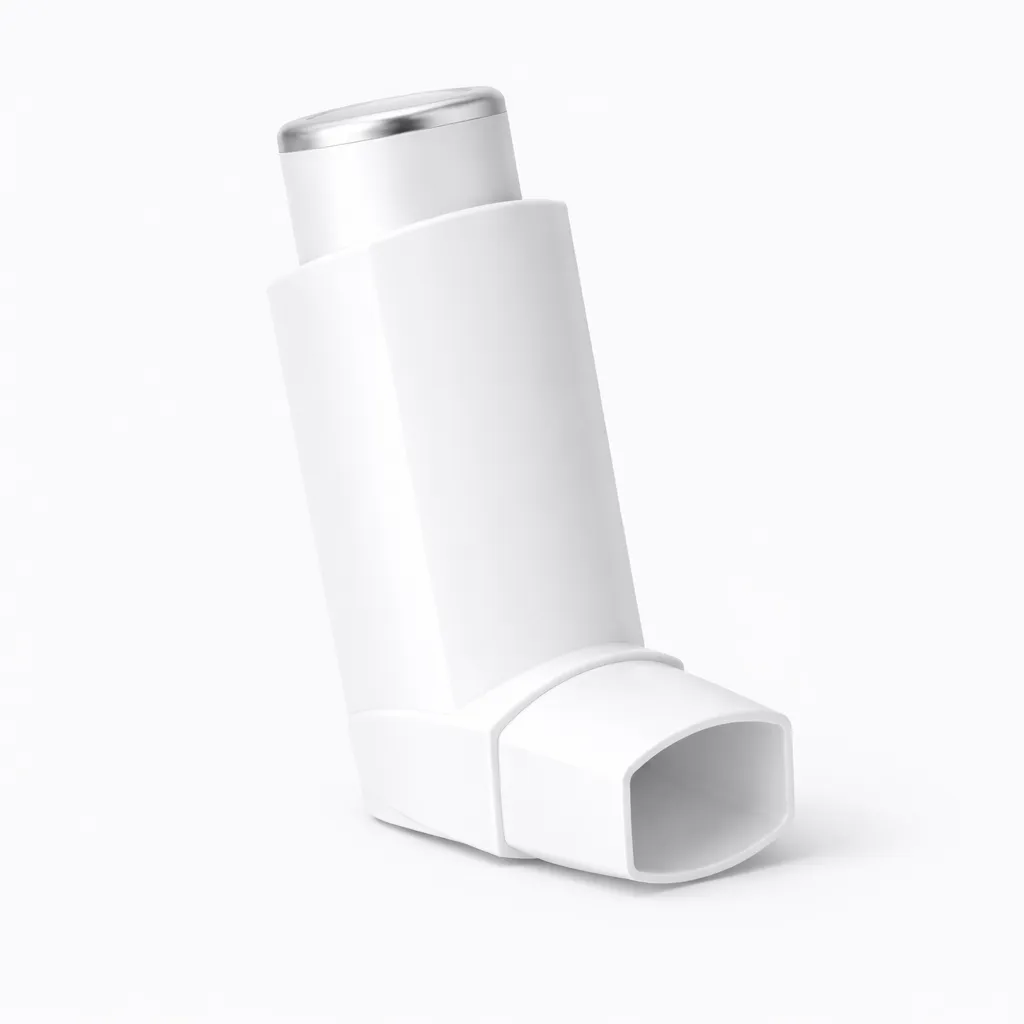
Description
AEROCORT INHALER
Indications
Aerocort Inhaler is primarily indicated for the management of asthma and chronic obstructive pulmonary disease (COPD). It is utilized in patients who require both bronchodilation and anti-inflammatory effects. The inhaler is particularly beneficial for those experiencing symptoms such as wheezing, shortness of breath, and chest tightness. It is also indicated for the prevention of exercise-induced bronchospasm in patients with a history of asthma.
Mechanism of Action
Aerocort Inhaler contains a combination of two active ingredients: beclomethasone dipropionate and salbutamol. Beclomethasone is a corticosteroid that exerts its effects by inhibiting the inflammatory response in the airways, thereby reducing swelling and mucus production. Salbutamol, on the other hand, is a short-acting beta-2 adrenergic agonist that relaxes bronchial smooth muscle, leading to bronchodilation. The synergistic action of these two components helps to alleviate respiratory symptoms effectively.
Pharmacological Properties
The pharmacological properties of Aerocort Inhaler are characterized by its dual-action formulation. Beclomethasone dipropionate has a high affinity for glucocorticoid receptors, which allows it to exert potent anti-inflammatory effects. It also has a relatively low systemic bioavailability, minimizing potential systemic side effects. Salbutamol acts rapidly, with onset of action typically within 5 to 15 minutes, and its bronchodilatory effects can last for up to 4 to 6 hours. The combination of these properties makes Aerocort an effective choice for managing asthma and COPD symptoms.
Contraindications
Aerocort Inhaler is contraindicated in patients with a known hypersensitivity to any of its components. Additionally, it should not be used in individuals with severe acute asthma attacks or in patients with a history of paradoxical bronchospasm. Caution is advised in patients with cardiovascular disorders, hyperthyroidism, or diabetes mellitus, as these conditions may be exacerbated by the use of beta-agonists.
Side Effects
The use of Aerocort Inhaler may lead to several side effects, although not everyone will experience them. Common side effects include throat irritation, cough, and oral candidiasis. Systemic effects, such as increased heart rate, palpitations, and tremors, may occur due to the salbutamol component. Long-term use of corticosteroids like beclomethasone can lead to potential side effects such as adrenal suppression, osteoporosis, and growth retardation in children. Patients should be monitored regularly to manage any adverse effects effectively.
Dosage and Administration
The recommended dosage of Aerocort Inhaler varies depending on the severity of the condition and individual patient response. For adults and children over 12 years, the typical dose is 1 to 2 inhalations (100 to 200 mcg of beclomethasone and 100 to 200 mcg of salbutamol) taken two to four times daily. For children aged 6 to 12 years, the dosage should be adjusted according to the physician’s recommendations. It is essential to instruct patients on the correct inhalation technique to ensure optimal drug delivery to the lungs. Patients should be advised to rinse their mouths after use to minimize the risk of oral thrush.
Interactions
Aerocort Inhaler may interact with other medications, which can affect its efficacy or increase the risk of side effects. Notably, the concurrent use of other sympathomimetic agents may potentiate the effects of salbutamol, leading to increased cardiovascular side effects. Corticosteroids can also interact with certain drugs such as ketoconazole and ritonavir, which may increase systemic corticosteroid levels. It is crucial for patients to inform their healthcare provider about all medications they are taking, including over-the-counter drugs and herbal supplements.
Precautions
Patients using Aerocort Inhaler should be monitored closely for any signs of worsening respiratory symptoms or increased use of rescue inhalers. Caution is advised in patients with a history of cardiovascular disease, hypertension, or seizure disorders, as the beta-agonist component may exacerbate these conditions. Additionally, patients should be educated about the importance of adhering to prescribed dosages and not exceeding the recommended use, as overuse may lead to decreased effectiveness and increased side effects.
Clinical Studies
Clinical studies have demonstrated the efficacy of Aerocort Inhaler in improving lung function and reducing asthma symptoms. A randomized controlled trial published in the Journal of Allergy and Clinical Immunology showed that patients using Aerocort experienced significant improvements in forced expiratory volume (FEV1) compared to those using a placebo inhaler. Another study indicated that the combination therapy effectively reduced the frequency of asthma exacerbations and improved quality of life in patients with moderate to severe asthma. These findings support the use of Aerocort Inhaler as a valuable therapeutic option for managing respiratory conditions.
Conclusion
Aerocort Inhaler is a combination medication that effectively manages asthma and COPD by providing both anti-inflammatory and bronchodilator effects. Its dual-action formulation makes it an essential tool in the treatment of respiratory diseases. However, it is crucial for patients to use this inhaler responsibly, adhering to prescribed dosages and being aware of potential side effects and interactions. Regular follow-up with healthcare providers is recommended to ensure optimal management of respiratory conditions and to adjust treatment as necessary.
Important
It is essential to use Aerocort Inhaler responsibly and under the guidance of a healthcare professional. Patients should be aware of their condition and follow the prescribed treatment plan to achieve the best outcomes while minimizing risks associated with improper use.