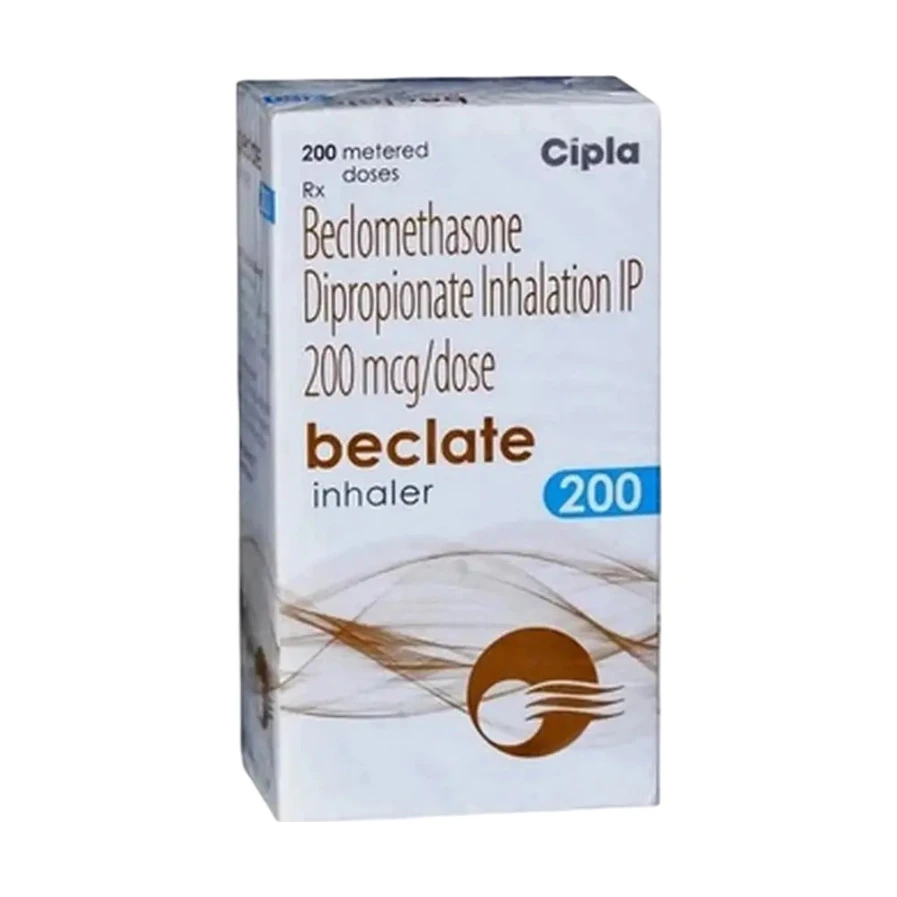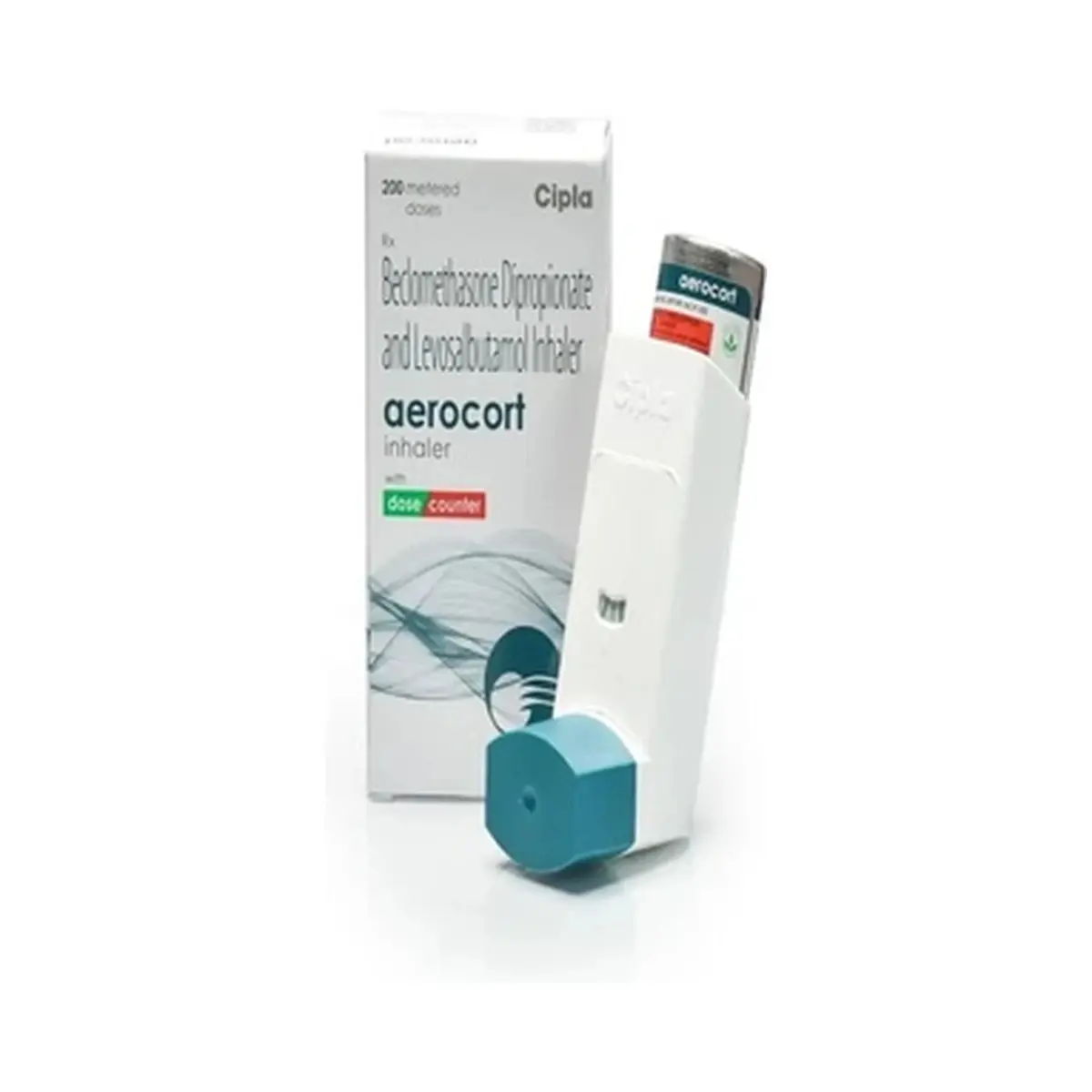
Description
Aerocort inhaler
Aerocort inhaler appears to be a fixed-dose inhalation medicine combining an inhaled corticosteroid, beclomethasone dipropionate, with a short-acting beta2-agonist bronchodilator, levosalbutamol. This combination is used in asthma care to address both airway inflammation and bronchospasm. The exact trade-name presentation could not be independently confirmed from official sources, so this page describes the verified components and their established medical use.
Active Ingredient and Medicine Class
Beclomethasone dipropionate is an inhaled corticosteroid. It reduces inflammation in the airways and is used as a preventive controller medicine in asthma.
Levosalbutamol is the active R-enantiomer of salbutamol and belongs to the short-acting beta2-agonist class. It relaxes airway smooth muscle and helps relieve bronchospasm.
As a fixed combination, this type of inhaler links an anti-inflammatory medicine with a quick-acting bronchodilator.
Established Medical Uses
Beclomethasone inhalation therapy is established for prophylactic management of asthma, especially when regular anti-inflammatory treatment is needed. Salbutamol-class bronchodilators are used for relief of reversible bronchospasm and for prevention of predictable symptoms such as exercise-related narrowing of the airways.
Combination inhalers containing beclomethasone plus a beta2-agonist have been studied for asthma management where both prevention and bronchodilation are required. They are not substitutes for urgent treatment of a severe asthma attack.
How It Works
Beclomethasone acts locally in the lungs to suppress inflammatory signalling, which can reduce swelling, mucus production, and airway sensitivity over time. Levosalbutamol stimulates beta2 receptors in the bronchial smooth muscle, causing the airways to open more quickly. Together, these effects can improve breathing comfort and reduce symptoms linked to both inflammation and constriction.
Important Safety Information
This medicine is not appropriate for everyone. Inhaled corticosteroids should be avoided in people with known hypersensitivity to the active substance or relevant excipients. Caution is needed in patients with active or quiescent pulmonary tuberculosis and other significant respiratory infections. Beta2-agonist components may require extra caution in people with cardiovascular disease, hyperthyroidism, diabetes, or a history of sensitivity to sympathomimetic medicines.
Clinically significant interactions may occur with medicines that increase beta-agonist effects or reduce potassium, including other sympathomimetic bronchodilators, non-selective beta-blockers, some diuretics, and xanthine derivatives. Strong CYP3A4 inhibitors may increase systemic corticosteroid exposure for inhaled corticosteroids. Overuse of the bronchodilator component can signal poor asthma control and should be medically reviewed.
Possible Side Effects
Common adverse effects of beclomethasone-containing inhalers can include throat irritation, hoarseness, cough, oral candidiasis, and an unpleasant taste. The beta2-agonist component may cause tremor, palpitations, headache, muscle cramps, or a feeling of nervousness.
More serious reactions are uncommon but can include paradoxical bronchospasm, hypersensitivity reactions, significant cardiac symptoms, hypokalaemia, and systemic corticosteroid effects with prolonged high exposure. Inhaled corticosteroids can also contribute to adrenal suppression or reduced bone density in susceptible patients when used extensively.
Scientific Evidence
Human studies of beclomethasone and bronchodilator combinations in asthma have shown that pairing an inhaled steroid with a beta-agonist can improve symptom control and lung-function outcomes compared with bronchodilator-only approaches, while maintaining the preventive anti-inflammatory role of the corticosteroid. Reviews of levosalbutamol describe it as the active R-enantiomer of salbutamol, with bronchodilator activity, although consistent superiority over racemic salbutamol has not been proven in clinical practice.
Overall, the evidence supports the pharmacological rationale for combination therapy, but treatment benefits vary by patient, asthma severity, and inhaler technique.
Medical Information Notice
This summary is for educational use only and reflects sources available at the time of review. It does not replace the official patient leaflet, the product’s regulatory documentation, or assessment by a qualified healthcare professional.
Medical Sources
- Medicines.org.uk (emc) — Clenil Modulite 100 micrograms inhaler, SmPC. Official prescribing information for beclometasone dipropionate inhalation therapy. View source
- Medicines.org.uk (emc) — Easyhaler Salbutamol 100 mcg, SmPC. Official prescribing information for a short-acting beta2-agonist inhaler. View source
- Medicines.org.uk (emc) — Beclometasone inhalation product information. Official product information describing inhaled corticosteroid use, precautions, and adverse effects. View source
- Pathak S, et al. Evidence based review on levosalbutamol. PubMed, 2007. View scientific article
- Handley DA, et al. (R)-salbutamol in the treatment of asthma and chronic obstructive airways disease. PubMed, 2011. View scientific article