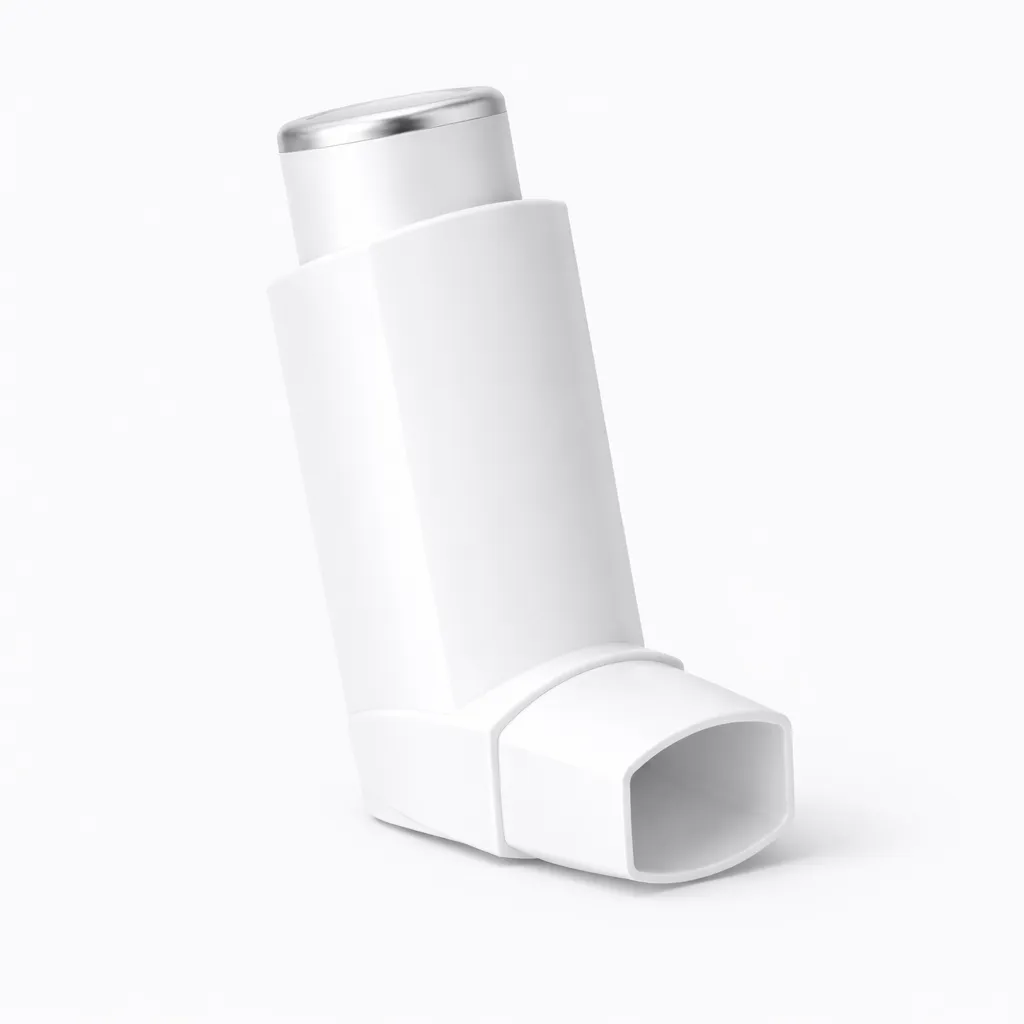
Description
AEROTROP 9MCG INHALER 180MD
Indications
AEROTROP 9MCG INHALER is primarily indicated for the management of asthma and chronic obstructive pulmonary disease (COPD). It is used as a maintenance treatment to help prevent bronchospasm in patients with these conditions. The inhaler is designed to deliver a precise dose of medication directly to the lungs, which helps to improve airflow and reduce the frequency of exacerbations associated with respiratory diseases.
Mechanism of Action
The active ingredient in AEROTROP 9MCG INHALER is a long-acting beta-2 adrenergic agonist (LABA). Upon inhalation, the medication binds to beta-2 adrenergic receptors located in the smooth muscle of the airways. This binding activates adenylate cyclase, leading to an increase in cyclic AMP (cAMP) levels within the cells. The elevated cAMP levels result in relaxation of the bronchial smooth muscle, leading to bronchodilation. This mechanism helps to alleviate symptoms such as wheezing, shortness of breath, and chest tightness, providing patients with improved respiratory function.
Pharmacological Properties
AEROTROP 9MCG INHALER contains a formulation that allows for effective delivery of medication with minimal systemic absorption. The pharmacokinetics of the drug demonstrate a rapid onset of action, typically within 15 minutes of inhalation, with a duration of effect lasting up to 12 hours. The inhaler is designed to optimize drug deposition in the lungs, ensuring that the active ingredient reaches the target site effectively. The safety profile of the medication is well-established, with studies indicating a favorable balance between efficacy and tolerability.
Contraindications
AEROTROP 9MCG INHALER is contraindicated in patients with a known hypersensitivity to the active ingredient or any of the excipients in the formulation. It should not be used in patients who have a history of severe allergic reactions, such as anaphylaxis, to similar medications. Additionally, the inhaler is not recommended for the treatment of acute bronchospasm or as a rescue inhaler, as it is intended for maintenance therapy only.
Side Effects
Common side effects associated with the use of AEROTROP 9MCG INHALER may include headache, throat irritation, cough, and palpitations. Some patients may experience tremors or nervousness due to the stimulation of beta-2 receptors. In rare cases, more serious side effects such as paradoxical bronchospasm, increased heart rate, or elevated blood pressure may occur. Patients should be advised to report any unusual symptoms or severe side effects to their healthcare provider immediately.
Dosage and Administration
The recommended dosage for AEROTROP 9MCG INHALER is typically one inhalation twice daily, with doses spaced approximately 12 hours apart. It is important for patients to use the inhaler consistently as prescribed to achieve optimal therapeutic benefits. Patients should be instructed on the correct inhalation technique to ensure proper drug delivery. If a dose is missed, patients should take it as soon as they remember, but should not double up on doses. In the event of worsening symptoms, patients should seek medical advice rather than increasing the dose on their own.
Interactions
AEROTROP 9MCG INHALER may interact with other medications, particularly those that affect the cardiovascular system. Caution should be exercised when using this inhaler in conjunction with other sympathomimetic agents, as this may enhance the risk of cardiovascular side effects. Additionally, certain medications that prolong the QT interval, such as some antiarrhythmics, should be used with caution in patients taking AEROTROP. It is essential for patients to inform their healthcare providers of all medications they are currently taking, including over-the-counter drugs and supplements, to avoid potential interactions.
Precautions
Before initiating treatment with AEROTROP 9MCG INHALER, healthcare providers should assess the patient’s medical history, particularly regarding cardiovascular conditions, diabetes, and seizure disorders. Patients with hyperthyroidism or a history of arrhythmias should be monitored closely during treatment. It is also advised to evaluate the patient’s asthma or COPD control regularly, as worsening symptoms may require a reassessment of the treatment plan. Pregnant and breastfeeding women should consult their healthcare provider before using this inhaler, as the effects on the fetus or infant are not fully established.
Clinical Studies
Clinical studies have demonstrated the efficacy and safety of AEROTROP 9MCG INHALER in patients with asthma and COPD. In a randomized controlled trial, patients using the inhaler showed significant improvements in lung function, as measured by forced expiratory volume in one second (FEV1), compared to those receiving a placebo. Additionally, the frequency of exacerbations was reduced in the treatment group, highlighting the inhaler’s role in maintaining control of respiratory symptoms. Long-term studies have also indicated that the inhaler is well-tolerated, with a low incidence of severe adverse effects.
Conclusion
AEROTROP 9MCG INHALER is a valuable therapeutic option for patients with asthma and COPD. Its long-acting bronchodilator properties provide significant relief from respiratory symptoms and help prevent exacerbations. With a well-established safety profile and effective delivery mechanism, it is an important component of respiratory management. Patients should be educated on the proper use of the inhaler and encouraged to maintain regular follow-up appointments to monitor their condition and treatment efficacy.
Important
It is crucial to use AEROTROP 9MCG INHALER responsibly and as directed by a healthcare professional. Patients should not exceed the recommended dosage and should seek guidance from their doctor if their symptoms worsen or if they have any concerns regarding their treatment.