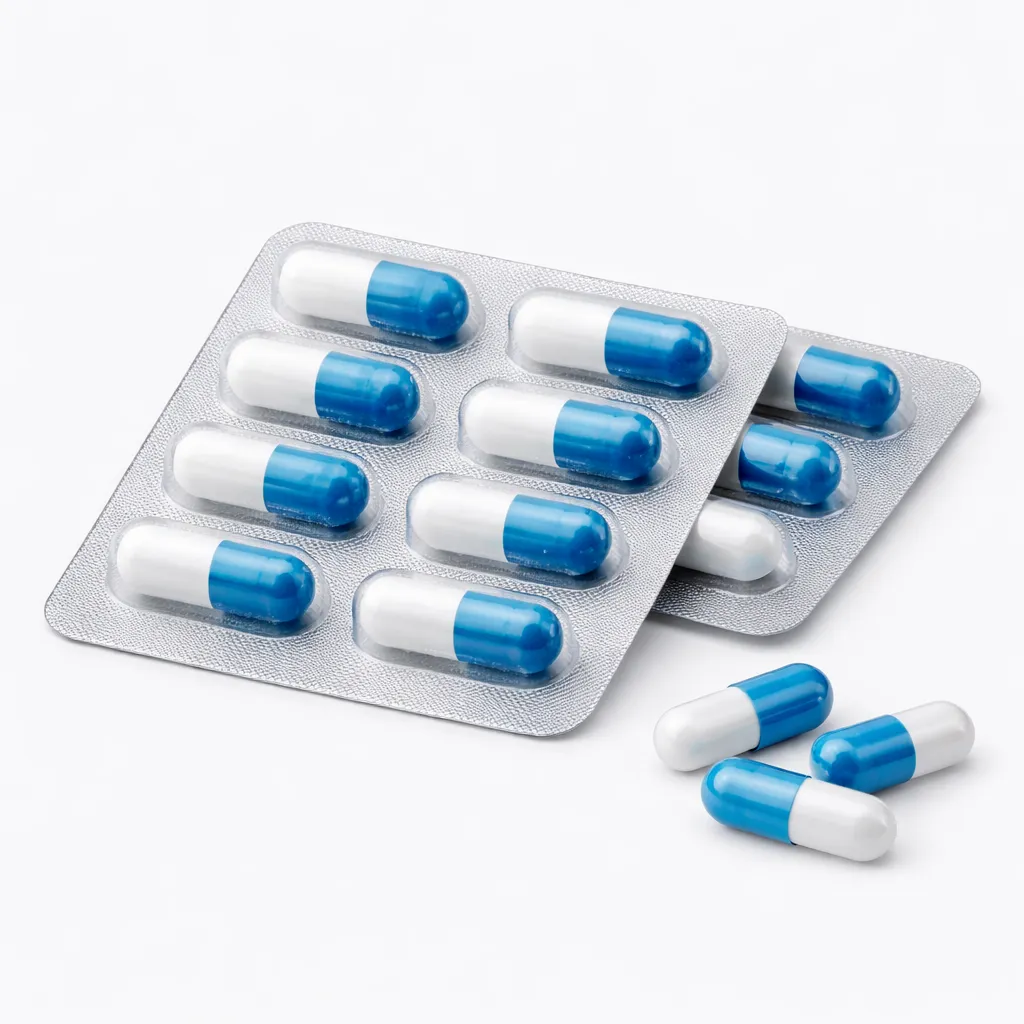
Description
ALDOL 400 MG
Indications
ALDOL 400 MG is primarily indicated for the management of certain types of seizures and is often used as an adjunctive therapy in the treatment of epilepsy. It may also be prescribed for the treatment of specific mood disorders, including bipolar disorder, where it helps to stabilize mood and reduce the frequency of manic episodes. Additionally, ALDOL is utilized in the management of anxiety disorders, providing relief from excessive worry and tension.
Mechanism of Action
The exact mechanism of action of ALDOL is not fully understood. However, it is believed to exert its therapeutic effects through modulation of neurotransmitter systems in the brain. ALDOL may enhance the activity of gamma-aminobutyric acid (GABA), an inhibitory neurotransmitter, which helps to stabilize neuronal excitability. By increasing GABAergic activity, ALDOL can reduce the occurrence of seizures and alleviate symptoms of anxiety and mood disorders.
Pharmacological Properties
ALDOL is classified as an anticonvulsant and mood stabilizer. It is well-absorbed following oral administration, with peak plasma concentrations typically reached within a few hours. The drug is metabolized in the liver and excreted primarily through the kidneys. Its half-life allows for once or twice daily dosing, making it convenient for patients. ALDOL’s pharmacokinetics can be influenced by various factors, including age, liver function, and concurrent medications.
Contraindications
ALDOL should not be used in patients with a known hypersensitivity to the active ingredient or any of the excipients in the formulation. It is contraindicated in individuals with a history of severe liver disease, as the drug’s metabolism may be significantly impaired. Additionally, caution is advised in patients with a history of substance abuse or dependence, as ALDOL may have the potential for misuse.
Side Effects
Common side effects associated with ALDOL include dizziness, drowsiness, fatigue, and gastrointestinal disturbances such as nausea and vomiting. Some patients may experience weight gain or changes in appetite. Serious side effects, although rare, may include allergic reactions, liver toxicity, and mood changes such as increased depression or suicidal thoughts. Patients should be monitored closely for any significant changes in mood or behavior during treatment.
Dosage and Administration
The recommended starting dose of ALDOL for adults is typically 400 MG per day, which may be adjusted based on clinical response and tolerance. It is important to follow the prescribing physician’s instructions regarding dosage adjustments. ALDOL can be taken with or without food, but it is advisable to take it consistently at the same time each day to maintain stable blood levels. For pediatric patients, dosing should be determined by a healthcare provider based on weight and clinical condition.
Interactions
ALDOL may interact with several medications, potentially altering its effectiveness or increasing the risk of adverse effects. Co-administration with other central nervous system depressants, such as benzodiazepines or alcohol, can enhance sedative effects and increase the risk of respiratory depression. Additionally, drugs that induce or inhibit liver enzymes (such as CYP450 enzymes) may affect ALDOL’s metabolism. It is crucial for patients to inform their healthcare provider of all medications, supplements, and herbal products they are taking to avoid potential interactions.
Precautions
Prior to initiating treatment with ALDOL, a thorough medical history should be obtained, focusing on any existing liver conditions, mood disorders, or history of substance abuse. Patients should be advised to avoid abrupt discontinuation of the medication, as this may precipitate withdrawal seizures or exacerbate mood instability. Regular monitoring of liver function tests may be warranted, particularly in patients with pre-existing liver conditions. Patients should also be educated about the signs and symptoms of serious side effects and advised to seek medical attention if they occur.
Clinical Studies
Clinical studies have demonstrated the efficacy of ALDOL in reducing the frequency of seizures in patients with epilepsy. In randomized controlled trials, ALDOL has shown significant improvements in seizure control when used as an adjunct therapy compared to placebo. Additionally, studies evaluating the use of ALDOL in mood disorders have indicated its effectiveness in stabilizing mood and reducing manic episodes. Long-term studies have also suggested that ALDOL is generally well-tolerated, with a favorable safety profile in the majority of patients.
Conclusion
ALDOL 400 MG is a valuable medication in the management of seizures and mood disorders. Its mechanism of action, while not fully elucidated, involves the modulation of neurotransmitter systems, particularly enhancing GABA activity. As with any medication, it is essential for patients to be aware of potential side effects and drug interactions. Regular monitoring and communication with healthcare providers are crucial to ensure safe and effective treatment. With appropriate use, ALDOL can significantly improve the quality of life for individuals suffering from epilepsy and mood disorders.
Important
It is essential to use ALDOL 400 MG responsibly and under the guidance of a qualified healthcare professional. Patients should adhere to prescribed dosages and report any adverse effects or concerns to their healthcare provider promptly.