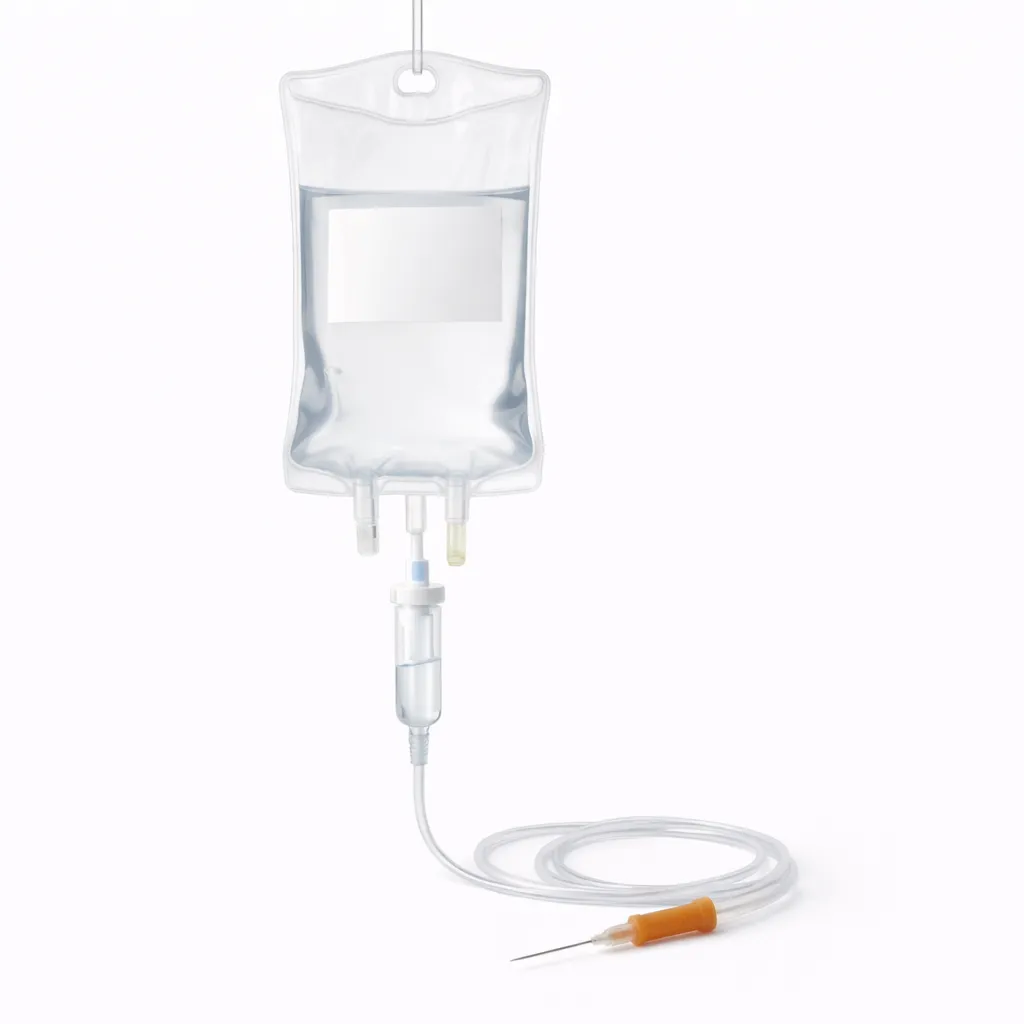
Description
AMIODON 150 MG INJ
Indications
Amiodon 150 mg injection is primarily indicated for the treatment of certain types of arrhythmias, particularly ventricular tachycardia and atrial fibrillation. It is often used in cases where other antiarrhythmic medications have failed or are contraindicated. The drug is also utilized in patients with a history of recurrent ventricular fibrillation, providing a critical therapeutic option in life-threatening situations.
Mechanism of Action
Amiodon is classified as a class III antiarrhythmic agent, which primarily works by prolonging the myocardial action potential and refractory period in both atrial and ventricular tissues. The drug exerts its effects through multiple mechanisms, including blocking potassium channels, inhibiting sodium channels, and possessing beta-adrenergic blocking properties. This multifaceted action helps to stabilize cardiac rhythm and prevent the occurrence of tachyarrhythmias.
Pharmacological Properties
Amiodon has a unique pharmacological profile that distinguishes it from other antiarrhythmic agents. It is highly lipophilic, leading to extensive tissue distribution and a long half-life, which can range from several days to weeks. The drug is metabolized in the liver, primarily by cytochrome P450 enzymes, and is excreted in the bile. Due to its lipophilicity, amiodon can accumulate in various tissues, including the lungs, liver, and thyroid, which may lead to potential side effects.
Contraindications
Amiodon is contraindicated in patients with known hypersensitivity to the drug or its components. It should not be administered to individuals with severe sinus node dysfunction, second- or third-degree atrioventricular block, or those with a history of thyroid dysfunction unless closely monitored. Additionally, caution is advised in patients with significant pulmonary disease, as amiodon can exacerbate respiratory conditions.
Side Effects
The use of amiodon may be associated with a range of side effects, some of which can be serious. Common side effects include nausea, vomiting, and fatigue. More severe adverse effects can include pulmonary toxicity, thyroid dysfunction (both hyperthyroidism and hypothyroidism), liver enzyme elevation, and skin reactions such as photosensitivity or blue-gray discoloration. Patients should be closely monitored for these side effects during treatment.
Dosage and Administration
The dosage of amiodon varies based on the indication and the patient’s clinical condition. For acute situations, a loading dose is typically administered intravenously, followed by a maintenance dose. The initial loading dose may be 150 mg over 10 minutes, repeated as necessary, and followed by a continuous infusion. For long-term management, oral dosing may be initiated once the patient is stabilized. It is essential to adjust the dosage based on the patient’s response and tolerance to the medication.
Interactions
Amiodon has the potential to interact with various medications, which may lead to altered therapeutic effects or increased toxicity. Notably, it can enhance the effects of anticoagulants such as warfarin, leading to an increased risk of bleeding. Additionally, co-administration with other antiarrhythmic agents, certain antidepressants, and medications that affect liver enzyme activity can result in significant interactions. Therefore, a thorough medication review is essential prior to initiating therapy with amiodon.
Precautions
Before starting treatment with amiodon, a comprehensive assessment of the patient’s medical history is necessary. Regular monitoring of thyroid function, liver enzymes, and pulmonary function tests is recommended due to the potential for serious side effects. Patients should be advised to report any symptoms such as cough, dyspnea, or changes in weight, as these may indicate adverse reactions. Furthermore, it is crucial to educate patients about the importance of adhering to follow-up appointments for monitoring and evaluation.
Clinical Studies
Clinical studies have demonstrated the efficacy of amiodon in managing various arrhythmias. Research has shown that amiodon significantly reduces the incidence of recurrent ventricular fibrillation and improves overall survival rates in patients with life-threatening arrhythmias. Additionally, studies have highlighted its role in controlling atrial fibrillation, particularly in patients who are resistant to other antiarrhythmic therapies. However, the long-term safety profile of amiodon remains a topic of ongoing research, with particular emphasis on its side effects and the management of patients with pre-existing conditions.
Conclusion
Amiodon 150 mg injection is a vital therapeutic option for managing specific arrhythmias, particularly in patients who do not respond to conventional treatments. Its unique mechanism of action and pharmacological properties make it effective in stabilizing cardiac rhythm. However, the potential for serious side effects necessitates careful monitoring and patient education. Clinicians must weigh the benefits against the risks when prescribing amiodon, ensuring that patients receive optimal care while minimizing adverse outcomes.
Important
It is imperative to use amiodon responsibly and under the supervision of a qualified healthcare professional. Patients should be well-informed about the potential risks and benefits associated with this medication and adhere to prescribed monitoring protocols.