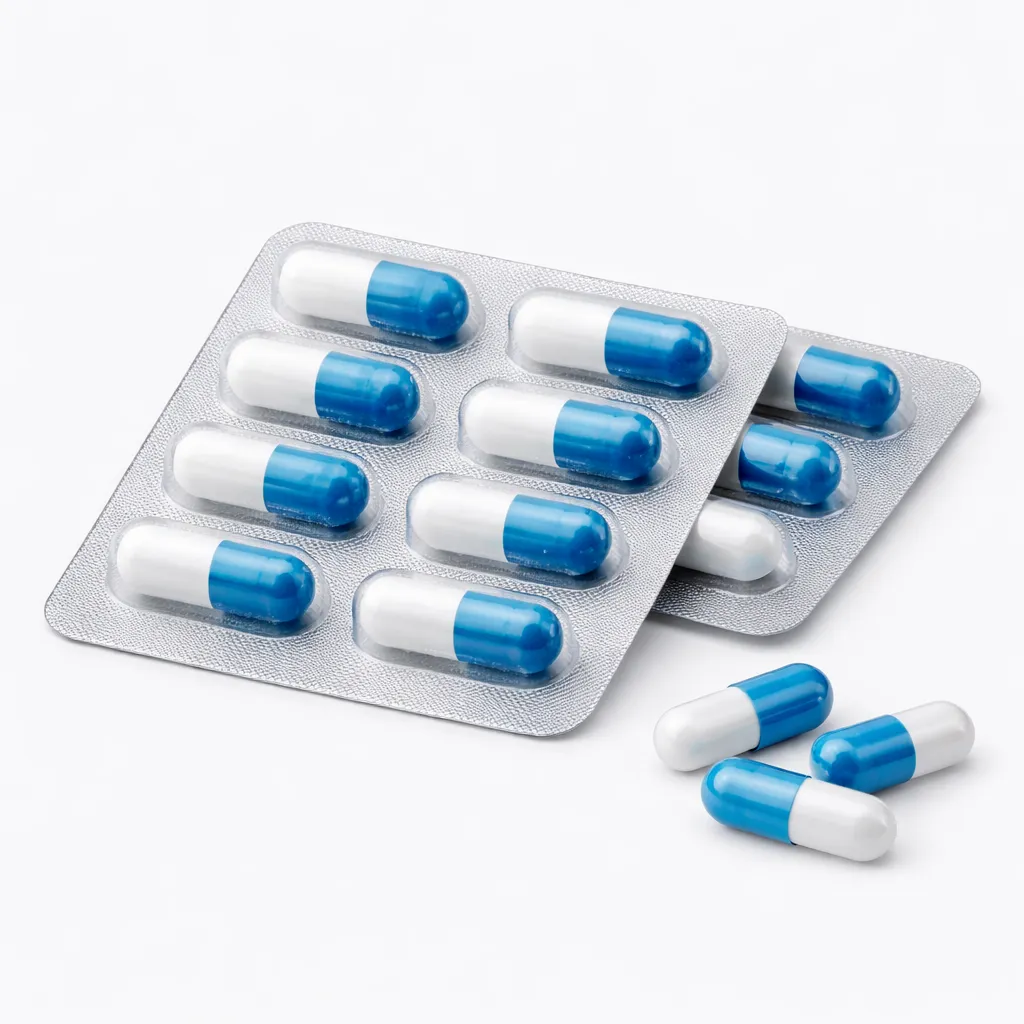
Description
AMLIP AT TAB
Indications
AMLIP AT TAB is primarily indicated for the management of hypertension and hyperlipidemia. It is often prescribed to patients who have a history of cardiovascular diseases or those at high risk for developing such conditions. The combination of amlodipine and atorvastatin in AMLIP AT TAB provides a comprehensive approach to managing both blood pressure and cholesterol levels, thereby reducing the risk of heart attack and stroke.
Mechanism of Action
AMLIP AT TAB contains two active ingredients: amlodipine and atorvastatin. Amlodipine is a calcium channel blocker that works by inhibiting the influx of calcium ions into vascular smooth muscle and cardiac muscle. This action leads to vasodilation, which reduces peripheral vascular resistance and lowers blood pressure.
Atorvastatin, on the other hand, is a statin that inhibits the enzyme HMG-CoA reductase, which plays a central role in cholesterol biosynthesis. By reducing the production of cholesterol in the liver, atorvastatin effectively lowers levels of low-density lipoprotein (LDL) cholesterol and triglycerides while increasing high-density lipoprotein (HDL) cholesterol. The dual action of these components makes AMLIP AT TAB effective in managing both hypertension and dyslipidemia.
Pharmacological Properties
The pharmacokinetics of AMLIP AT TAB is characterized by its absorption, distribution, metabolism, and excretion. Amlodipine is well absorbed from the gastrointestinal tract, with peak plasma concentrations occurring approximately 6-12 hours after oral administration. It has a long half-life, allowing for once-daily dosing.
Atorvastatin is also absorbed well, with peak plasma concentrations occurring within 1-2 hours post-ingestion. It undergoes extensive first-pass metabolism in the liver, where it is converted into active metabolites. The elimination half-life of atorvastatin is approximately 14 hours, allowing for effective cholesterol management with once-daily dosing.
Both components of AMLIP AT TAB exhibit a high degree of protein binding, primarily to albumin. They are excreted mainly via the liver, with minimal renal excretion, making them suitable for patients with mild to moderate renal impairment.
Contraindications
AMLIP AT TAB is contraindicated in patients with a known hypersensitivity to amlodipine, atorvastatin, or any of the excipients in the formulation. It should not be used in patients with active liver disease or unexplained persistent elevations of hepatic transaminase levels. Additionally, it is contraindicated in pregnant or lactating women due to potential risks to the fetus or nursing infant.
Patients with severe hypotension or cardiogenic shock should also avoid the use of AMLIP AT TAB, as the vasodilatory effects of amlodipine may exacerbate these conditions.
Side Effects
Common side effects associated with AMLIP AT TAB include dizziness, headache, fatigue, and peripheral edema. Gastrointestinal disturbances such as nausea, abdominal pain, and constipation may also occur. In some cases, patients may experience muscle-related symptoms, including myopathy or rhabdomyolysis, particularly with atorvastatin.
Serious side effects are rare but may include liver enzyme abnormalities, severe allergic reactions, and significant hypotension. Patients should be monitored regularly for any signs of adverse reactions, especially during the initial stages of treatment.
Dosage and Administration
The recommended starting dose of AMLIP AT TAB is typically 5/10 mg (amlodipine/atorvastatin) once daily, depending on the patient’s individual needs and response to treatment. The dosage may be adjusted based on the patient’s blood pressure and lipid levels, with a maximum recommended dose of 10/80 mg once daily.
AMLIP AT TAB can be taken with or without food, and it is important for patients to adhere to the prescribed regimen to achieve optimal therapeutic outcomes. Patients should be advised to swallow the tablet whole and not to crush or chew it.
Interactions
Interactions with other medications can occur when using AMLIP AT TAB. Amlodipine may interact with other antihypertensive agents, leading to an additive effect on blood pressure. Caution should be exercised when combining it with medications that can cause hypotension.
Atorvastatin has a significant potential for drug interactions, particularly with medications that are metabolized by the cytochrome P450 3A4 enzyme. Drugs such as erythromycin, ketoconazole, and certain HIV protease inhibitors can increase atorvastatin levels, raising the risk of adverse effects. Patients should inform their healthcare provider of all medications they are taking, including over-the-counter drugs and supplements.
Precautions
Patients with a history of liver disease, renal impairment, or those who consume excessive amounts of alcohol should use AMLIP AT TAB with caution. Regular monitoring of liver function tests is recommended in patients receiving atorvastatin, particularly during the first few months of therapy.
It is essential to assess the patient’s risk factors for cardiovascular disease and tailor the treatment plan accordingly. Lifestyle modifications, including dietary changes and increased physical activity, should be encouraged as part of a comprehensive approach to managing hypertension and hyperlipidemia.
Clinical Studies
Clinical studies have demonstrated the efficacy of AMLIP AT TAB in reducing blood pressure and improving lipid profiles in patients with hypertension and dyslipidemia. A study published in the Journal of Hypertension showed that patients treated with a combination of amlodipine and atorvastatin experienced significant reductions in systolic and diastolic blood pressure compared to those receiving monotherapy.
Another study in the American Journal of Cardiology highlighted the impact of atorvastatin on LDL cholesterol levels, showing a marked decrease in cardiovascular events among patients taking the statin in conjunction with antihypertensive therapy. These findings support the use of AMLIP AT TAB as an effective treatment option for patients with concurrent hypertension and hyperlipidemia.
Conclusion
AMLIP AT TAB is a valuable therapeutic option for the management of hypertension and hyperlipidemia, combining the benefits of both amlodipine and atorvastatin in a single formulation. Its dual action not only helps in controlling blood pressure but also aids in improving lipid profiles, thereby reducing the risk of cardiovascular events. Patients should be monitored regularly for side effects and drug interactions, ensuring a safe and effective treatment regimen.
Important
It is crucial to use AMLIP AT TAB responsibly, adhering to prescribed dosages and consulting healthcare professionals for any concerns or questions regarding the medication. Regular check-ups and lifestyle modifications can enhance treatment efficacy and overall health.